

SITL 2026, towards the leading European event on transport and logistics to be held in Paris
According to the organizers of the French exhibition, SITL 2026 will bring together 70% French exhibitors and 30% international exhibitors (the latter were 25% in 2025). Among these international exhibitors, 83% are European, led by Germany (24), Spain (15), and Italy (12). The event will be held from March 31 to April 2 at Paris Nord Villepinte.
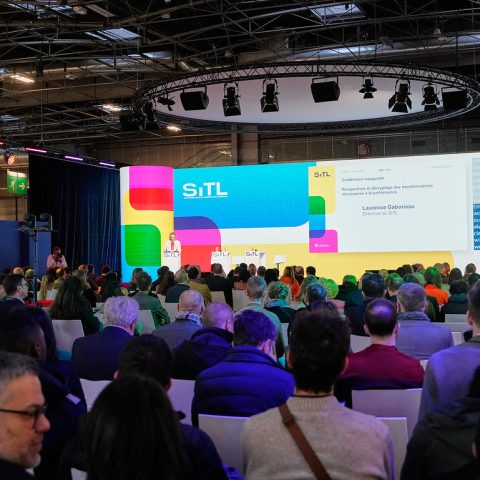
SITL 2026, the leading event for transport and logistics professionals, is strengthening its European dimension in a context of reshaping global supply chains, persistent geopolitical tensions, and increasing pressure on costs and performance. The event will be held from March 31 to April 2 at Paris Nord Villepinte.
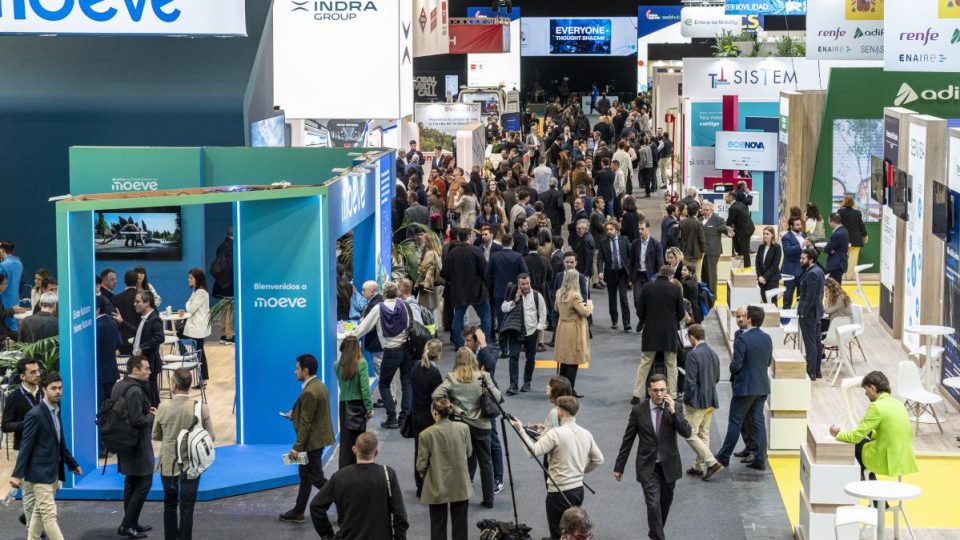
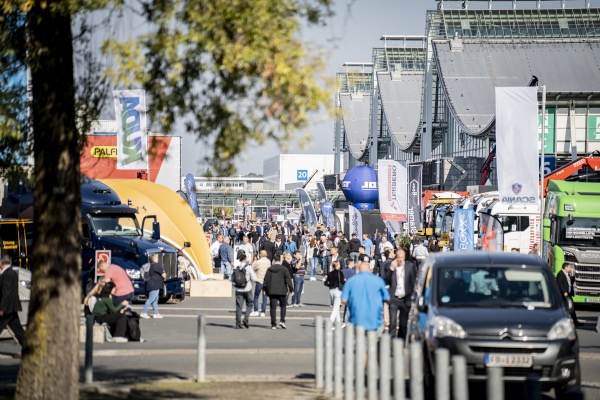
Indeed, the International Transport and Logistics Exhibition is the event that has been bringing together, for over 40 years, the key French and international players in the transport and logistics industry. The 10 major areas, this year, include Transport & logistics services; Intralogistics, automation & robotics; Packaging, conditioning & pallets; Technologies, IoT & information systems; Alternative energies; Real estate; Infrastructure; Transport equipment; Consulting, Training & Financing; Cold chain logistics.
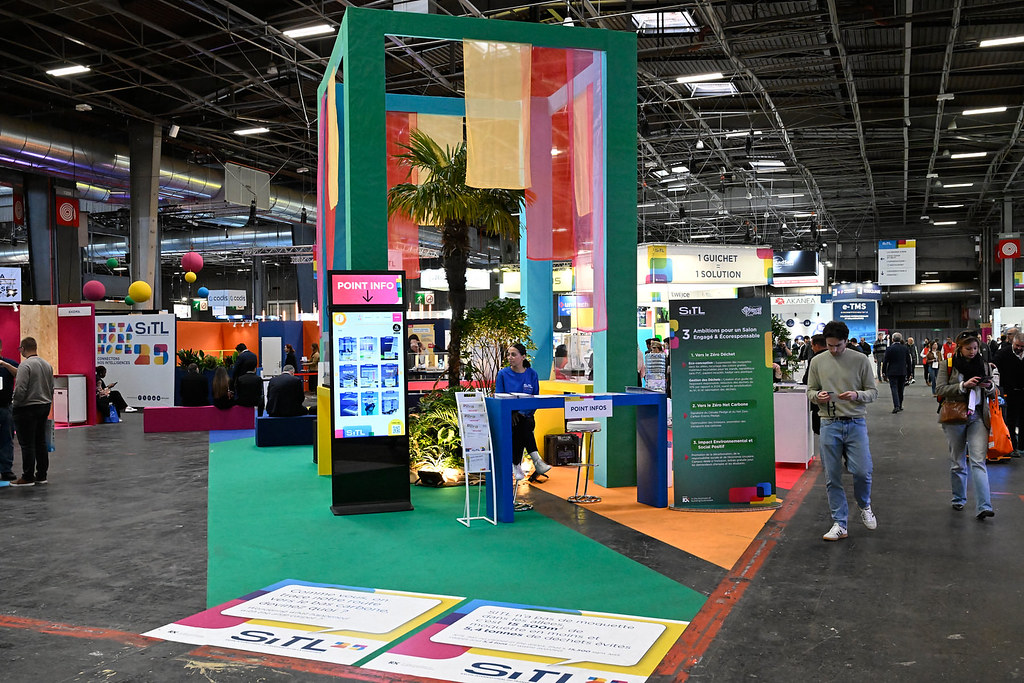
SITL 2026: about 30% foreign exhibitors
According to the organizers of the French exhibition, SITL 2026 will bring together 70% French exhibitors and 30% international exhibitors (the latter were 25% in 2025). Among these international exhibitors, 83% are European, led by Germany (24), Spain (15), Italy (12), Belgium (11), the Netherlands (8), and Switzerland (5), alongside the United Kingdom (4), Luxembourg (4), Portugal (2), and Sweden (2).
Beyond the conference program, this momentum is reflected throughout the exhibition halls: key players from the European logistics ecosystem will showcase concrete solutions to optimize flows, support exports, secure supply chains, and meet European standards in terms of performance and compliance.
Speaking of topics, a focus of this year’s edition is placed on TEN-T corridors and cross-border cooperation. In fact, while Europe is structured around local and regional dynamics, the issue of critical scale remains central.