

ACEA: electrically-chargeable CVs are growing in Europe (but rather slowly)
In a very challenging year for the European commercial and industrial vehicle industry, electrically-chargeable trucks above 3.5 tonnes now secure 4.2% of the market, up from 2.3% last year. Electrically-chargeable vans now capture a 11.2% market share, an increase from 6.1% last year.
As usual, at the end of January, ACEA releases the newest data about commercial vehicle registrations in Europe. Last year (the data are referred to the whole 2025, here’s our post about 2024), “while the overall share of electrically-chargeable vehicles increased, progress remains too slow”, according to the international automotive association. Let’s see the data more into details.
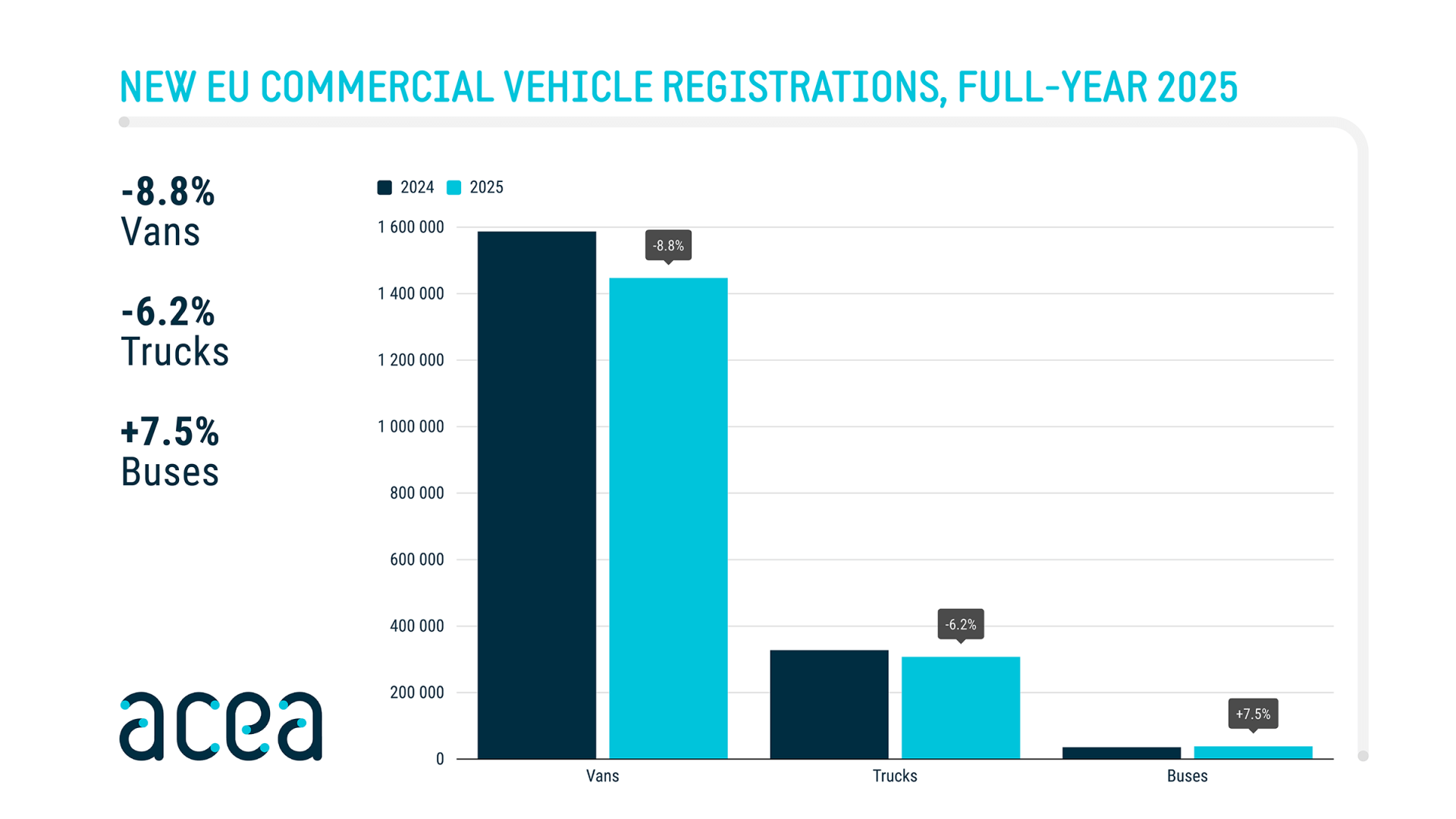
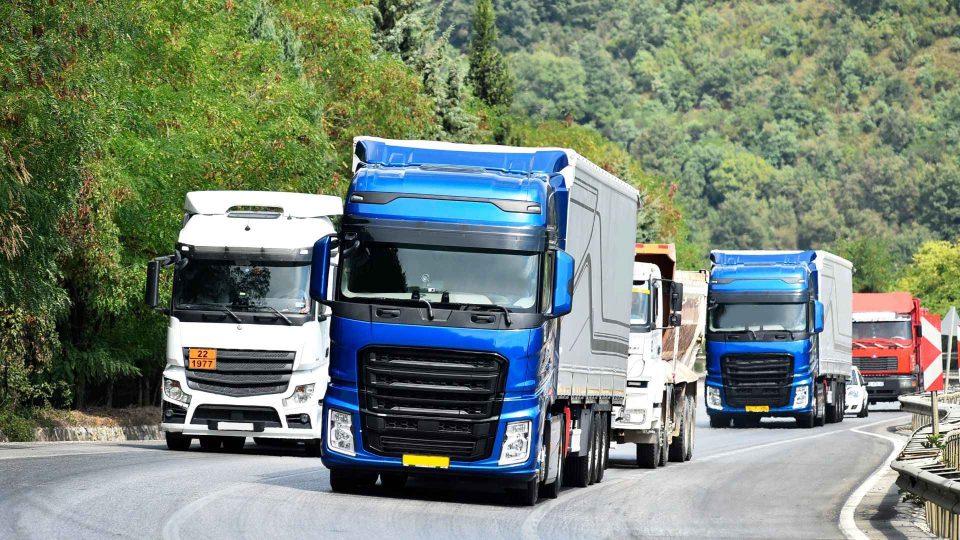
In the medium- and heavy-duty sector (above 3.5 tonnes), new EU truck registrations fell by 6.2%, totalling 307,460 units. This downturn was driven in volume by a 5.4% decline in heavy-truck registrations, alongside a 9.9% decrease in medium-truck demand. All major markets contracted, with Germany (-12.2%) experiencing double-digit decline.
Similarly, new EU van registrations fell by 8.8%, with the three largest markets contributing to the downturn. France recorded the steepest drop with an 5.6% decline, followed by Germany (‑5.4%) and Italy (-5%). In contrast, Spain saw a surge in registrations, rising by 11.7%.
ACEA: registrations in Europe in 2025 by power source
Looking at the power source of the vehicles, diesel maintained its leading position in the EU heavy- and medium-duty truck market in 2025, accounting for 93.2% of new registrations, despite the 8% drop in volumes. Electrically-chargeable trucks above 3.5 tonnes now secure 4.2% of the market, up from 2.3% last year. The Netherlands (+205.4%), despite a sharp 40.8% decline in total truck registrations, along with Germany (+39.6%) and France (+30.5%), were the main drivers of this trend, together accounting for two-thirds of the EU’s electrically chargeable truck market.
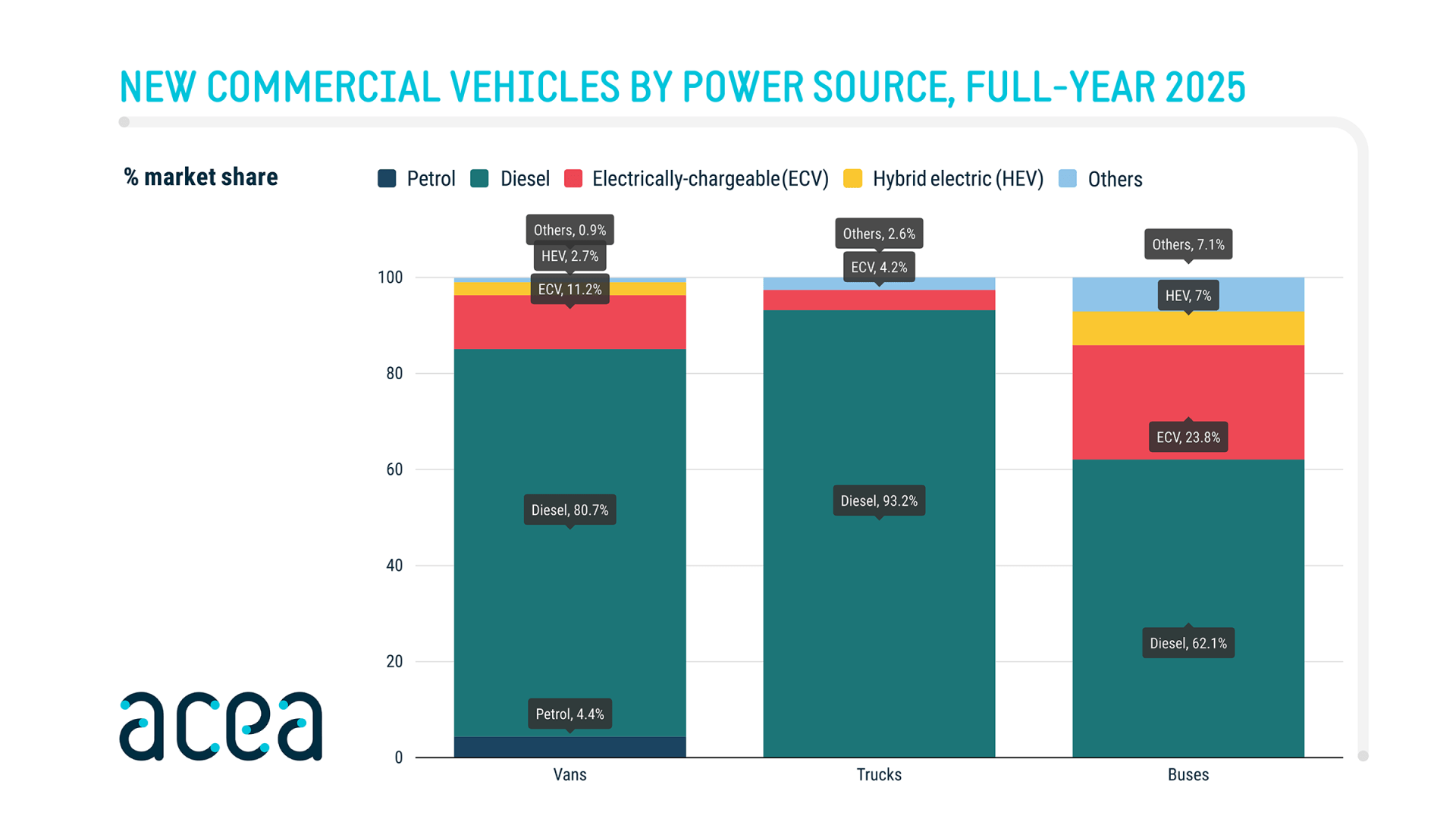
In the light commercial vehicle sector, diesel resulted in an 80.7% market share (a decrease from 84.4% a year earlier). Petrol models decreased by 31.9%, accounting for a 4.4% market share. Electrically-chargeable vans now capture a 11.2% market share, an increase from 6.1% last year. Hybrid van registrations increased by 21.4%, despite accounting for only 2.7% of the market.