

European Parliament adopts amendment to heavy-duty truck CO₂ regulation
The amendment adjusts the way emission credits are calculated during the reporting years 2025–2029. Under the revised framework, truck manufacturers can generate emission credits when the average CO₂ emissions of their fleets fall below the applicable reduction target for the reporting period. The amendment was proposed by the European Commission in December 2025 within the Automotive Package and was already approved by the Council before the Parliament vote on 13 March 2026.
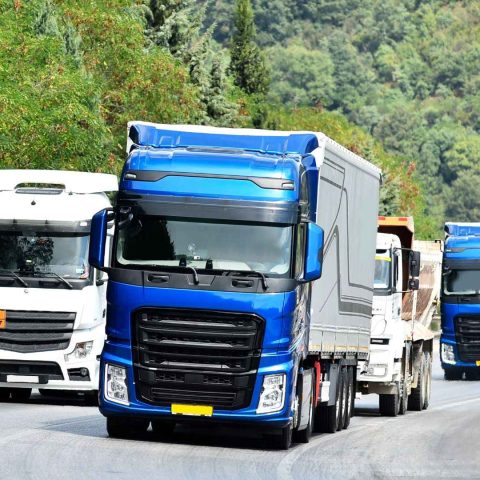
The European Parliament has adopted a targeted amendment to the EU regulation governing CO₂ emissions from heavy-duty vehicles, revising the emission credit mechanism applicable to truck manufacturers during the 2025–2029 reporting period.
The legislative change modifies Regulation (EU) 2019/1242, which establishes CO₂ reduction targets for new heavy-duty vehicles in the European Union. The amendment was proposed by the European Commission in December 2025 within the Automotive Package and was already approved by the Council before the Parliament vote on 13 March 2026.
Revised emission credit system for trucks
The amendment adjusts the way emission credits are calculated during the reporting years 2025–2029. Under the revised framework, truck manufacturers can generate emission credits when the average CO₂ emissions of their fleets fall below the applicable reduction target for the reporting period. These credits may then be used to support compliance in later years.
Compliance with the regulation is assessed annually on the basis of the average CO₂ emissions of each manufacturer’s newly registered heavy-duty vehicle fleet in the European Union.

Existing targets remain unchanged
The amendment does not modify the CO₂ reduction targets set out in the heavy-duty vehicle regulation. For heavy-duty trucks with a technically permissible maximum laden mass above 16 tonnes, manufacturers must achieve a 15% reduction in CO₂ emissions compared with 2019 levels during the 2025–2029 period.
From 2030, the regulatory scope expands to include a wider group of heavy-duty vehicles, including trucks above 5 tonnes, with a CO₂ reduction target of 43%.
These targets form part of the European Union’s climate framework, which aims to reduce greenhouse gas emissions by at least 55% by 2030 compared with 1990 levels and reach climate neutrality by 2050.
A future review of the regulatory framework is expected
The adopted amendment addresses only the calculation of emission credits in the period leading up to the 2030 targets and does not introduce broader changes to the heavy-duty CO₂ regulation. A future review of the regulatory framework is expected to assess the implementation of the rules and the development of the zero-emission truck market across Europe.
ACEA stated: “The speedy adoption of the Commission’s proposal by co-legislators is a welcome and important step. The amendment corrects an overly restrictive provision in the current rules by adjusting how emission credits are calculated for the years 2025–2029. However, the amendment is limited in scope. It does not address the broader challenge vehicle manufacturers are facing in the transition to zero-emission heavy-duty vehicles.”