

HVS signs agreement with Spanish Kopala International to supply hydrogen-based trucks
It is the very first contract dealing with left-hand drive vehicles for HVS. Indeed, the adoption of Hydrogen in the heavy goods sector is a strategic objective of the Spanish government. In a draft of its national energy and climate plan until 2030, Spain has a target of 11 gigawatts of electrolyser capacity for green hydrogen production, which is the highest in all of Europe.
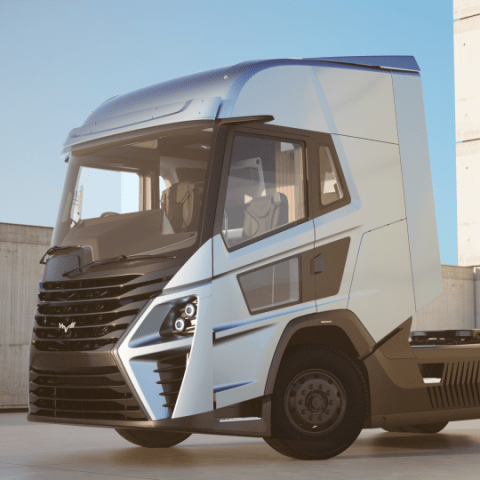
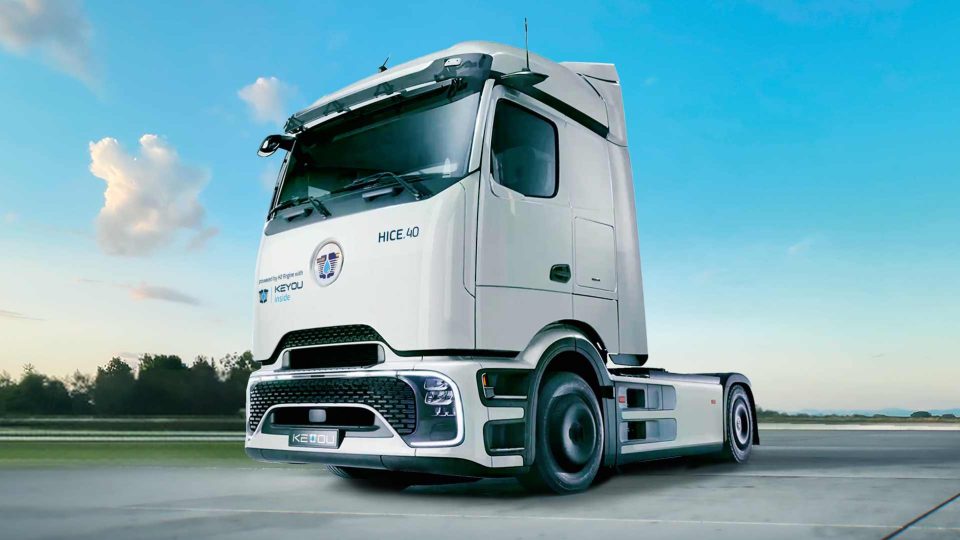
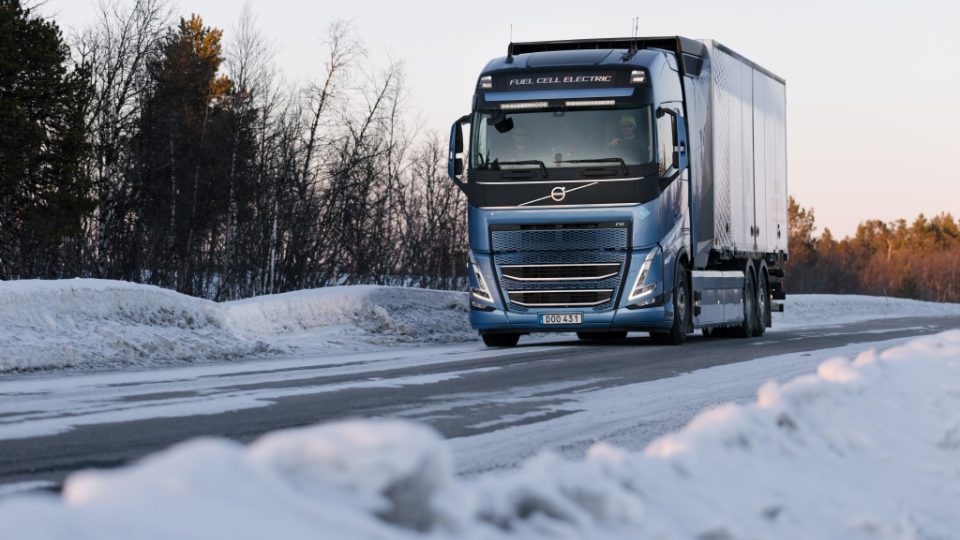
UK-based hydrogen truck developer HVS has signed MoU with Spanish player Kopala International (whose headquarters are located in Barcelona) to supply hydrogen-powered trucks and help the customer along its emissions reduction path. It is the very first contract dealing with left-hand drive vehicles for HVS.
Under the agreement, Kopala International will deploy the innovative HGVs on real-world delivery routes, whilst HVS’ Transition to Zero Programme will offer support across key areas such as technology evaluation, hydrogen fuelling infrastructure, financial options, safety standards, and government incentives.
Hydrogen trucks as a Spanish priority
Indeed, the adoption of Hydrogen in the heavy goods sector is a strategic objective of the Spanish government. In a draft of its national energy and climate plan until 2030, Spain has a target of 11 gigawatts of electrolyser capacity for green hydrogen production, which is the highest in all of Europe.
“Kopala International’s commitment to this programme is a testament to the growing appetite for hydrogen solutions in European logistics, and we’re proud to be leading this effort with our cutting-edge FCEV technology”, said Phil Henrik, CCO at HVS.
“Partnering with HVS enables us to position ourselves as early adopters of hydrogen-powered logistics, and we are eager to take part in their Transition to Zero Programme”, added CEO of Kopala, Jeffrey Dost.