

Rhenus is testing the Mercedes GenH2 hydrogen truck in Germany
As stated by Rhenus, "the hydrogen-powered truck is fully integrated into day-to-day processes at the Rhenus site in Duisburg and is in use five days a week, both during the day and overnight. As a result, the vehicle is operating on the road almost around the clock. Its routes range from regional runs of around 150 km to long-distance operations of up to approximately 650 km".
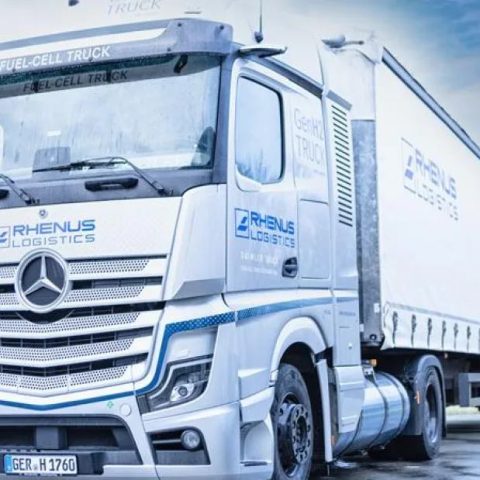
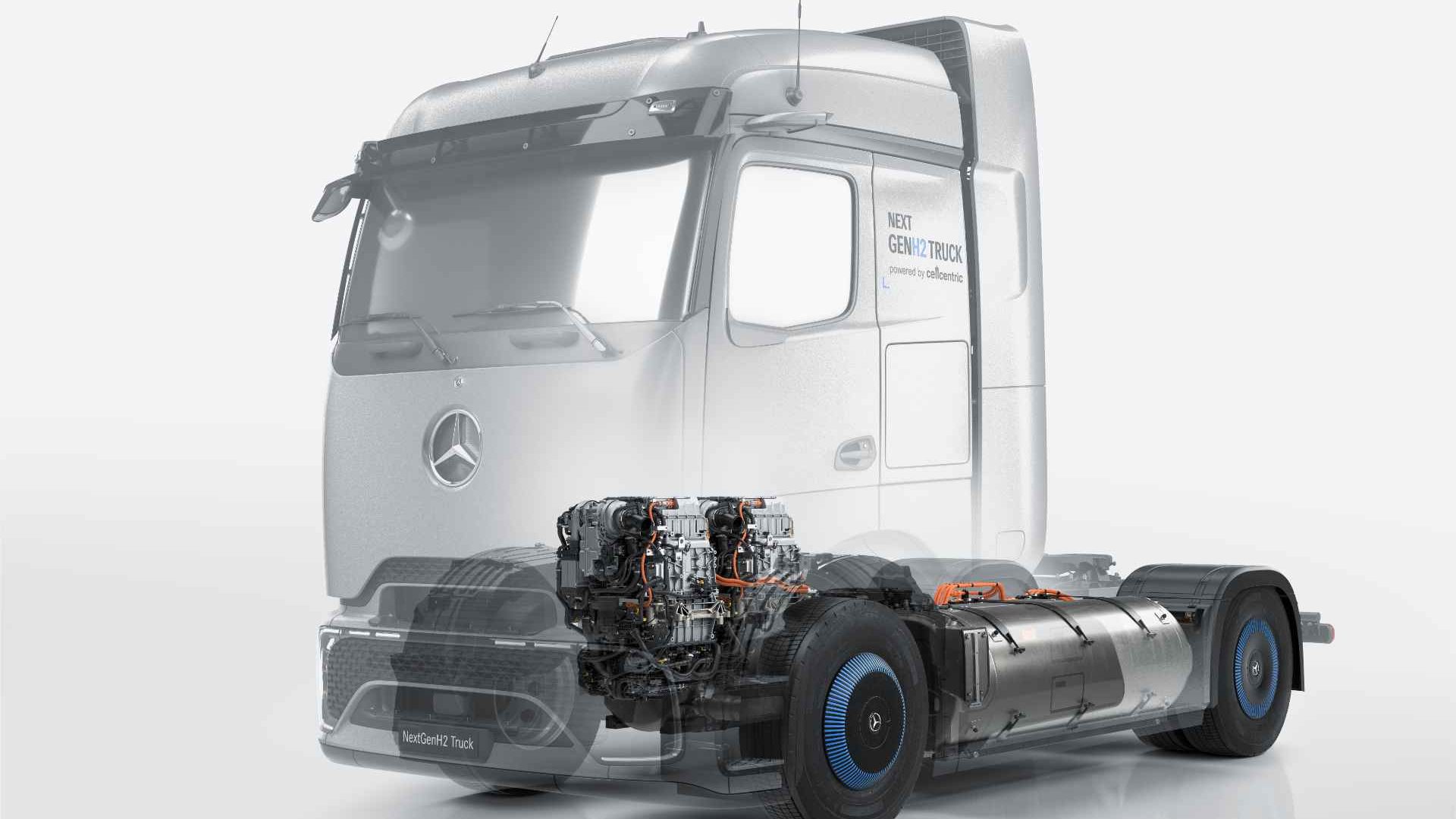
The Rhenus Group, quite an important name in international logistics, has put a Daimler Truck fuel-cell vehicle into regular logistics operations for the first time. Together with four other companies, Rhenus is taking part in the second phase of the customer-oriented practical testing program for the Mercedes-Benz GenH2 Truck. The year-long trial aims to generate robust insights for the further development of alternative drive technologies and their future application in road freight transport.
As stated by Rhenus, “the hydrogen-powered truck is fully integrated into day-to-day processes at the Rhenus site in Duisburg and is in use five days a week, both during the day and overnight. As a result, the vehicle is operating on the road almost around the clock. Its routes range from regional runs of around 150 km to long-distance operations of up to approximately 650 km”.
Rhenus testing hydrogen truck in Duisburg: the main targets
“For Rhenus, the primary objective of the field test is to gather operational insights from everyday use, from the refueling process and handling of hydrogen-specific systems to range behavior and refueling times compared with diesel trucks”.
“Particularly in energy-intensive heavy-duty and long-haul transport, we see significant potential in hydrogen-powered trucks”, said Thilo Meutzner, Managing Director of Rhenus Road Freight in Germany. “The field test helps us realistically assess the conditions under which this technology could be adopted on a broader scale in the future. It is already clear that scaling up the market will depend heavily on expanding refueling infrastructure, ensuring the availability of green hydrogen and establishing competitive cost structures.”
“As an international logistics service provider, we see ourselves not only as a user but as an active partner in advancing sustainable transport solutions. By gradually integrating alternative drive technologies, we are working to systematically reduce emissions across the entire value chain. Our collaboration with Daimler Truck plays a concrete role in this effort and generates insights that will benefit the entire industry,” he added.