

Webasto enhances commercial vehicles traction battery capacity up to 40 kWh
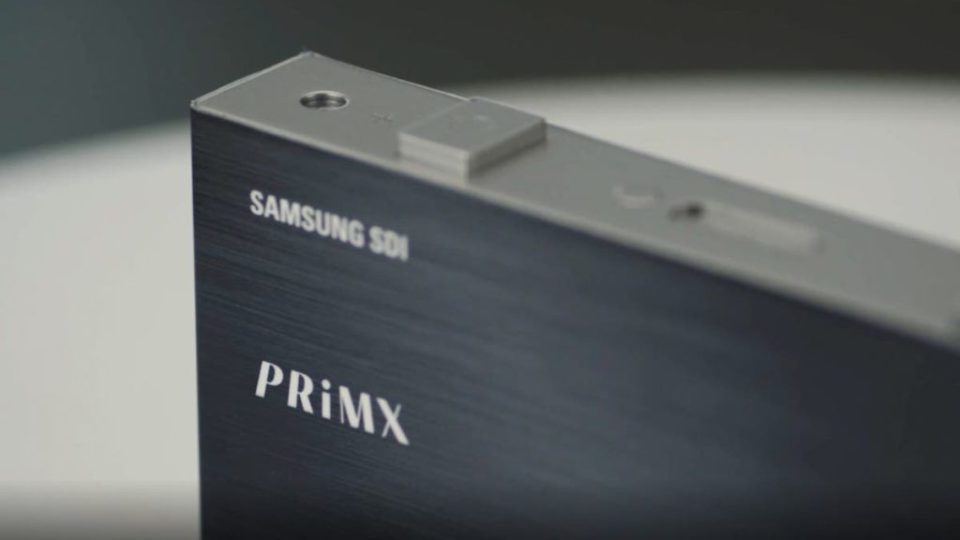
Like its predecessor, the Standard Battery Pro 40 is protected by a robust aluminum housing. In a space measuring 960 x 687 x 302 mm, it meets the highest requirements in terms of safety, availability and stability.
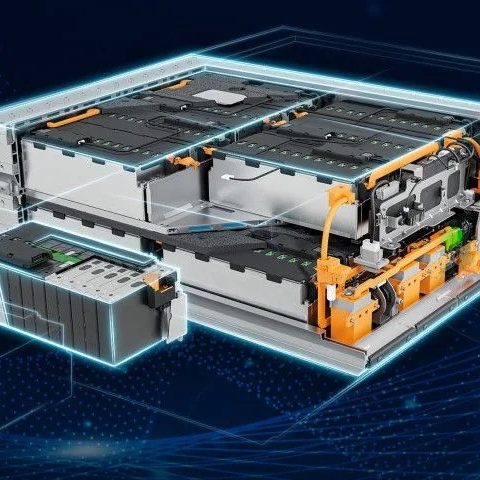
Webasto is increasing the energy content of its traction batteries from 35 to 40 kilowatt hours (kWh). Now, up to 18 Pro 40 batteries with a total energy content of up to 720 kWh provide sufficient power to drive electric commercial vehicles in the voltage range of 400 or 800 volts.
Like its predecessor, the Standard Battery Pro 40 is protected by a robust aluminum housing. In a space measuring 960 x 687 x 302 mm, it meets the highest requirements in terms of safety, availability and stability. According to Webasto, which develops and produces both the control electronics and the battery at its German sites in Schaidt, Schierling and Stockdorf, the standardized battery system weighs 297 kilograms, can be integrated vertically or horizontally into vehicles and offers system integrators and vehicle manufacturers maximum freedom during installation.
Webasto traction battery systems
Webasto has also ensured interaction with the Webasto eBTM thermal management solution, which keeps traction batteries within the ideal temperature range regardless of the outside temperature. During operation, a series of sensors continuously monitor the temperature of the battery so that the protective mechanisms, including various fuses, take immediate effect in the event of a malfunction.
“The electrification of commercial vehicles and machines is progressing at an ever-increasing pace, which also increases the demands on traction batteries. With the Webasto Standard Battery Pro 40, we now offer our customers an even higher energy content in a robust battery pack to provide sufficient reserves for an entire working day,” said Lena Beckmann, Director Batteries and Electrical Thermal Management at Webasto.