

ACEA Light-Duty Vehicle Board asks EU for the revision of decarbonization targets
In particular, the Board proposes to extend the current proposal for averaging from three to five years (2028-2032) and to extend the list of flexibilities and compensatory mechanisms for compliance beyond small and “made in the EU” BEVs. “Europe risks losing its edge, both as an attractive place to invest and as an industrial location", said president Ola Källenius.
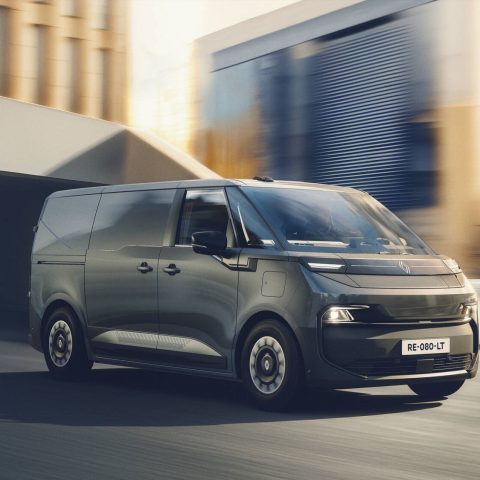
ACEA Light-Duty Vehicle Board meeting, held on March 5, asks EU for the revision of decarbonization targets. In particular, the Board proposes to extend the current proposal for averaging from three to five years (2028-2032) and to extend the list of flexibilities and compensatory mechanisms for compliance beyond small and “made in the EU” BEVs.
Speaking of light commercial vehicles, according to ACEA, the van market remains in a very precarious situation. “Not only have overall sales contracted, but the sales of battery-electric and plug-in-hybrid electric vans have barely climbed over 10% of all new registrations. This means that achieving the current targets for vans is not possible: a 35% CO2 reduction target is needed for 2030 and an 80% target for 2035, combined with more flexible target averaging for 2025–2029 and 2030–2034″.
ACEA about Europe’s decarbonization targets for cars and LCVs
“The current targets remain highly ambitious and can only be met alongside consistent EU-wide measures that genuinely boost demand. While the Clean Corporate Vehicle proposal is intended to accelerate uptake in this segment, its current design relies on mandates rather than incentives. This raises serious concerns about the effectiveness of such an approach“. In particular, ACEA is worried about the backdrop of intensifying global competition, fragile supply chains, and rising protectionism.
ACEA is also reviewing the Commission’s proposal for the Industrial Accelerator Act. “The key question is whether it will genuinely strengthen resilience and protect jobs, or whether it will add new costs and complexity for automotive manufacturers. If it’s the latter, it risks having the opposite effect by pushing up vehicle prices and shrinking the overall market”.

“Europe risks losing its edge, both as an attractive place to invest and as an industrial location, with significant consequences for jobs and innovation unless we can find a better way to synchronise climate ambition, business reality, and global competitiveness”, said ACEA president, Ola Källenius. “At today’s ACEA Light-Duty Vehicle Board meeting, everyone agreed that decarbonisation is the way forward and that the flexibility proposed in the automotive package in December is welcome, but that it is insufficient to transform the automotive industry in the real world. European car and van manufacturers call on the European Parliament and Member States to strengthen the automotive package to ensure Europe remains a viable marketplace for cars and vans beyond 2030.”