

Adani Cement plans to deploy 410 electric trucks in India by March 2027
Indian building materials manufacturer Adani Cement has launched its first heavy-duty electric trucks for clinker and cement transportation. The company plans to deploy 410 vehicles by March 2027, with a longer-term target of more than 2,000 electric trucks by 2030.
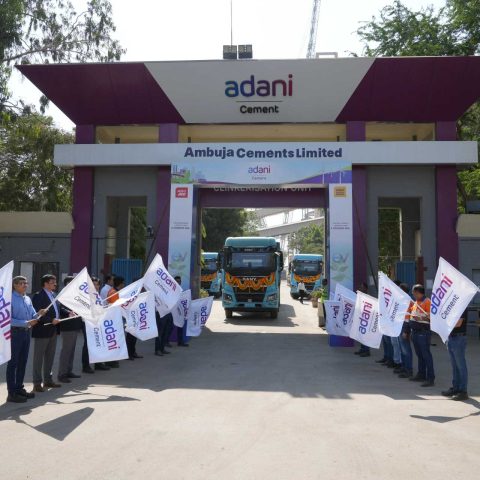

Adani Cement has started deploying heavy-duty electric trucks at its Sanghi production facility in Gujarat, India, as part of a broader programme to electrify its road transport operations.
The initiative represents the company’s first deployment of electric trucks for the transportation of clinker and finished cement, two activities involving heavy loads and significant logistics requirements.
According to Adani Cement, the initial phase will involve 410 electric trucks entering service by March 2027, with additional routes and production facilities expected to be included in subsequent stages.
The company has not disclosed the number of vehicles already operating at Sanghi, nor provided technical specifications, charging infrastructure details or the financial value of the programme.
More than 2,000 electric trucks targeted by 2030
Adani Cement aims to expand its electric fleet to more than 2,000 trucks by 2030, with the objective of handling approximately 10% of its road logistics volumes using battery-electric vehicles.
According to the company’s estimates, the initial fleet of 410 electric trucks could reduce CO2 emissions by more than 25,000 tonnes annually, replacing the equivalent of approximately 11 million litres of diesel consumption per year. These figures represent projected savings rather than measured results from the initial deployment.
Beyond emissions reduction, Adani Cement expects electrification to help reduce its exposure to diesel price fluctuations. The company has already identified additional transport routes across India where electric trucks could be introduced, although no further deployment schedule has been announced.