

The high cost of electric trucks and the risk for legacy OEMs to lose market shares: new report from ERM
A new report published by ERM finds that the price gap between electric and non-electric trucks sold by Europe’s largest manufacturers (Volvo Group, Daimler Truck, DAF, MAN and Scania) cannot be explained by manufacturing costs alone. The report also shows that the other costs added to the final price are roughly twice as high as on non-electric models, even though they are structurally similar.
A new report published by ERM finds that the price gap between electric and non-electric trucks sold by Europe’s largest manufacturers (Volvo Group, Daimler Truck, DAF, MAN and Scania) cannot be explained by manufacturing costs alone. The report also shows that the other costs added to the final price are roughly twice as high as on non-electric models, even though they are structurally similar. This pricing approach limits their new truck sales to just 24% of the global market between now and 2035.
Indeed, legacy truck manufacturers currently dominate the European heavy-duty market. Clean freight experts say the report should serve as a wake-up call for anyone concerned about Europe’s industrial competitiveness. Instead of increasing production and supporting regulations that boost demand, some manufacturers are slowing the transition. Instead of competing on price and scale, they risk losing market share to scaling and price competitive new entrants like Tesla and BYD.
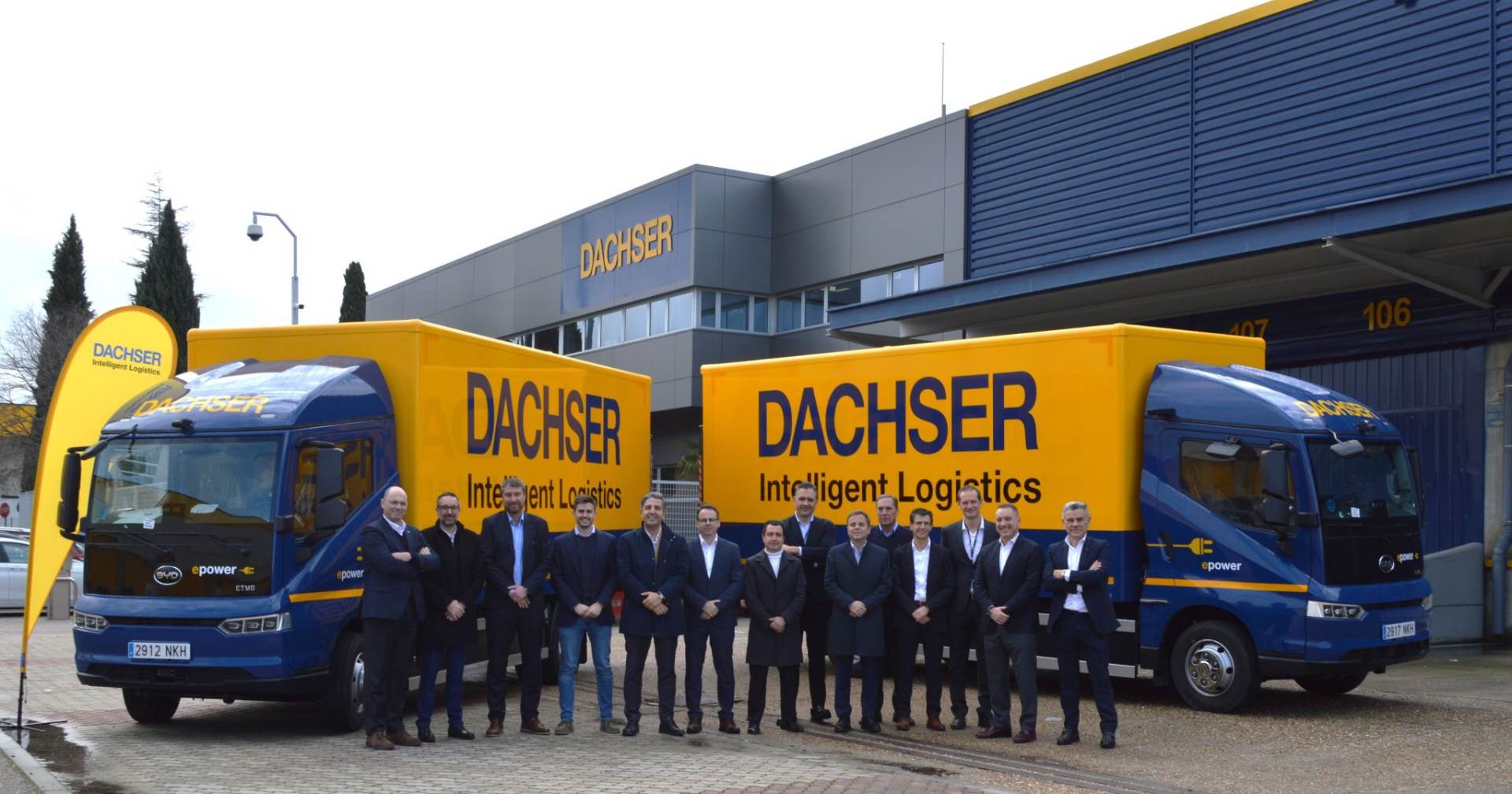
The issue of costs for electric truck makers and the urge to face competition
Additionally, using UK/EU data, ERM’s cost teardown shows that batteries are the single largest component cost in an electric truck, at more than £108,000, although this figure is expected to fall as battery prices continue to decline. Total component (manufacturing) costs are around ~£199,000 for electric trucks compared to roughly ~£87,000 for non-electric equivalent. However, non-component costs, such as overheads and margins, average £85,991 for electric trucks compared with £42,900 for non-electric. This suggests that manufacturers’ pricing decisions, not just battery or component costs, are keeping electric truck prices high, shifting the financial burden onto customers, and limiting uptake.
It’s important to underline that the report’s market segmentation finds that, at current pricing strategies, electric truck sales are largely limited to a small cohort of capital-rich fleet operators. In other words, “Legacy manufacturers’ persistently high electric truck prices are confining sales to a narrow group of early adopters”, as we read in the report abstract.
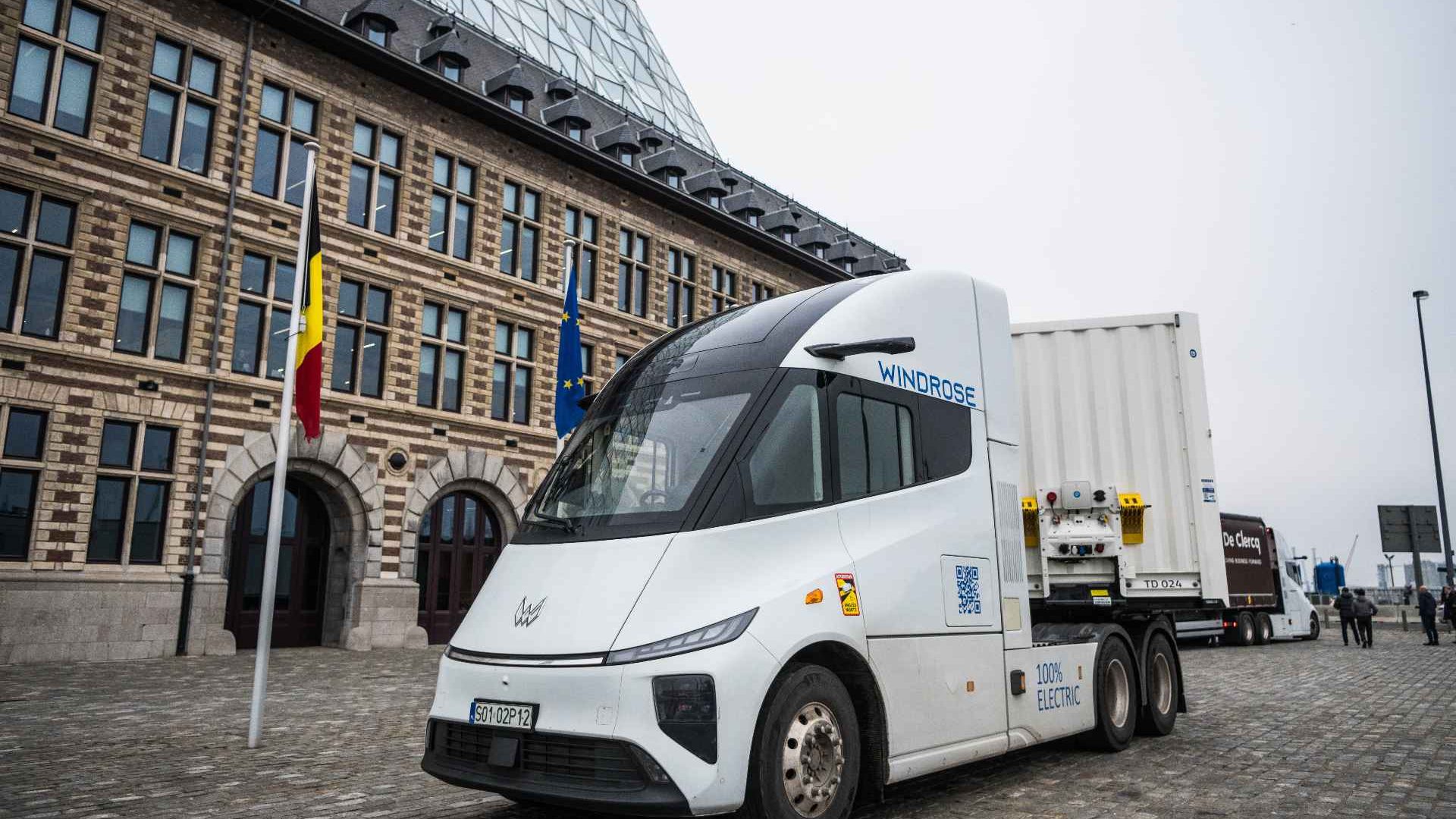
Competitors are already positioning themselves to capture growing demand in Europe and the wider untapped market. One new competitor, Windrose, has priced its E700 at €250,000, well below the €328,000 average price identified in ERM’s cost teardown analysis. With no plans to reach the mass market, legacy manufacturers are leaving themselves exposed to competitive risk, as lower-cost, high-volume competitors move in to serve the broader market that established players have yet to reach.
Experts also emphasise that Europe’s legacy truckmakers carry a responsibility to support regulations that protect industrial security, jobs and to ensure their electric transition strategies deliver lasting competitive advantage for the region. This means maintaining the long-term CO₂ targets (a 45% reduction by 2030 and 90% by 2040), keeping the planned 2027 review in place, and avoiding any early revision.
Some valuable comments to the matter
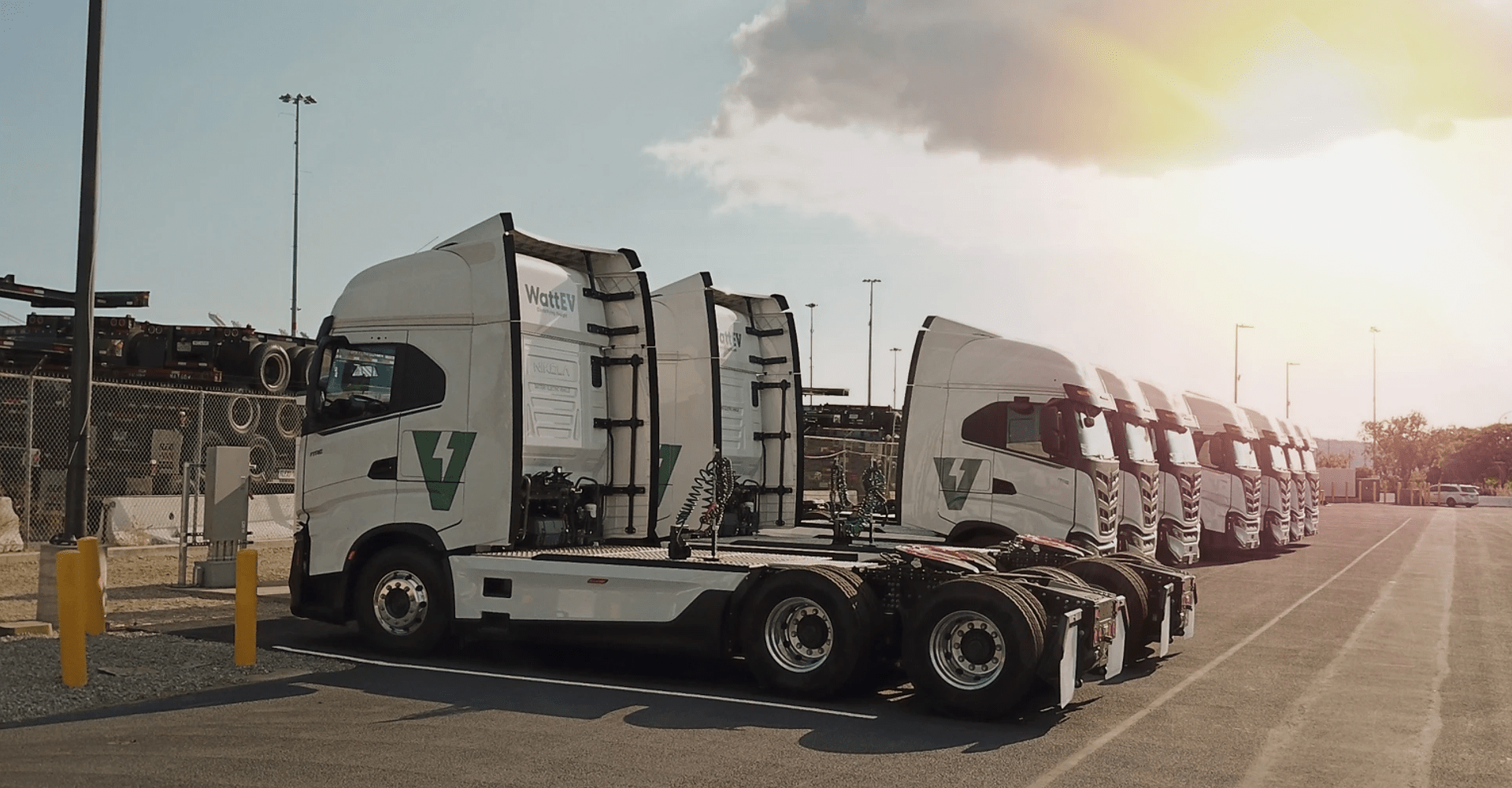
“We’ve seen this story play out in other vehicle markets already. Once electric vehicles arrive with better technology and offer lower total operating cost, fleets move quickly. With diesel prices spiking and Chinese manufacturers entering global markets with competitive electric trucks, electric trucks are a smarter business choice for fleets. Legacy OEMs can push back on regulations all they want, but fleets will ultimately buy the trucks that make the most business sense. It’s a spreadsheet decision,” said Rustam Kocher, ex-electric mobility at Daimler Truck North America and WattEV board member.
“Investors should look carefully at the pricing gap between electric trucks and their diesel counterparts. If incumbents are maintaining diesel-era margins rather than driving down EV costs through scale, they risk constraining demand for their own electric truck products while creating an opening for new competitors to capture the growth segment of the market. Investors should be asking whether incumbents are optimising for short-term margins or longer term competitiveness,” said Ben Scott, Head of Energy Demand at Carbon Tracker.
“Fleets need affordable trucks, but the high upfront cost keeps many from switching – even as diesel prices remain unpredictable. The technology itself is ready, but the price barrier still prevents a full shift away from fossil-fuel vehicles. At the same time, new competitors are entering the market, but in order to protect fleets and accelerate the transition, the largest players must scale up production and bring prices down.” said Maren Hemsett, Senior Advisor Heavy-Duty Transport at the Norwegian EV Association.