

Emissions reduction, the EU Council confirms targeted flexibility to comply with CO2 targets
This temporary and targeted flexibility would allow truck makers to generate more emission credits in the years leading up to 2030 and therefore facilitate their compliance from 2030 onwards.
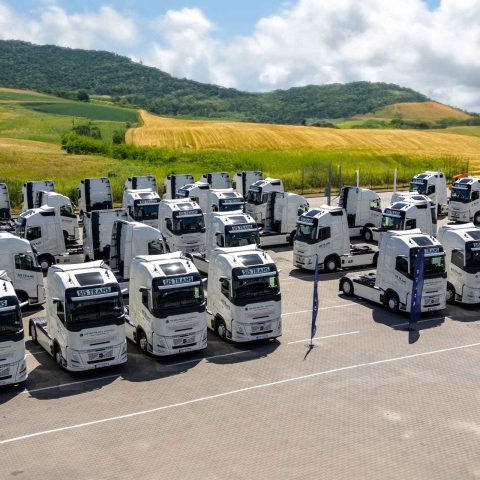
The EU Council has formally adopted a targeted amendment to the regulation on CO2 emission standards for heavy-duty vehicles. The new rules introduce a temporary flexibility for manufacturers to comply with their 2030 CO2 emissions reduction targets, without altering the the long-term reduction targets established by the Commission.
According to the EU Council, “this amendment recognises the structural challenges currently faced by the sector, particularly the slow deployment of public charging infrastructure along motorways. It supports a smooth and steady transition towards zero-emission mobility without altering the EU’s ambitious long-term climate targets”. The existing EU law sets the first-ever CO2 emissions reduction targets for new heavy-duty vehicles, comprising trucks, buses and coaches (set at 15% reduction from 2025, 43% from 2030, and rising to 90% in 2040). The substantial rules on CO2 emission standards for heavy-duty vehicles are due for revision in 2027.
Emissions reduction pathway for heavy-duty vehicles
In order to prove compliance, heavy-duty vehicle manufacturers can earn emission credits if their fleet performs better than a defined ‘reduction trajectory’. Between 2025 and 2029, manufacturers can now accumulate credits if their emissions fall below their own specific annual CO2 emissions targets rather than the stricter linear reduction trajectory. This temporary and targeted flexibility would allow them to generate more emission credits in the years leading up to 2030 and therefore facilitate their compliance from 2030 onwards.