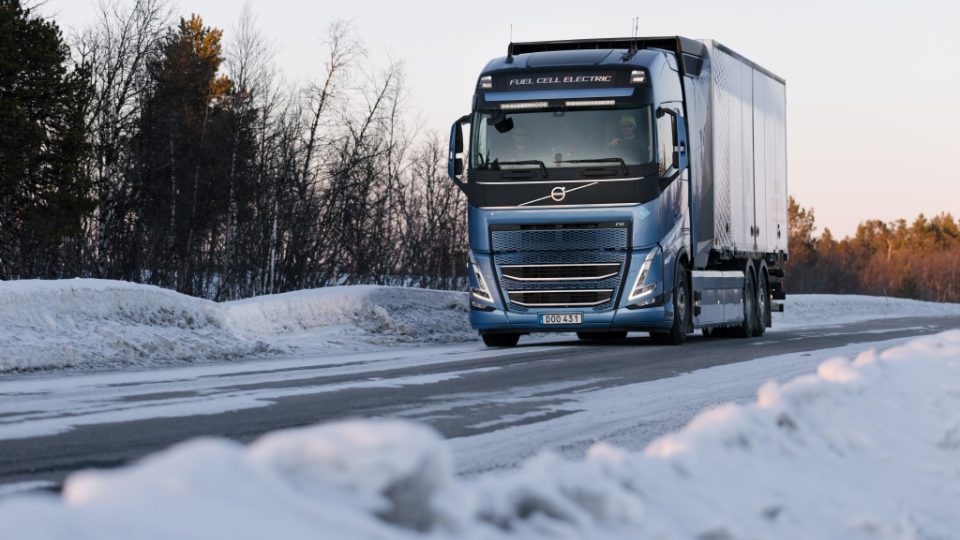


Hydrogen trucks, UK-based HVS announced fuel cell prototype vehicle
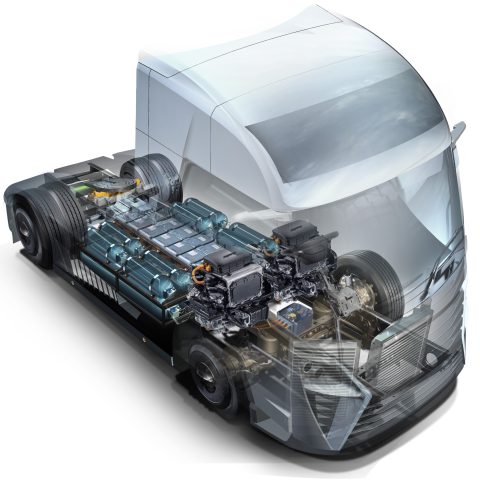
X1.5, powered by the same state-of-the-art hydrogen fuel cell as will be used in the production HGVs, will be used for functionality and systems development, including dyno-rig testing, and is an important precursor to track testing prototypes that will quickly follow.
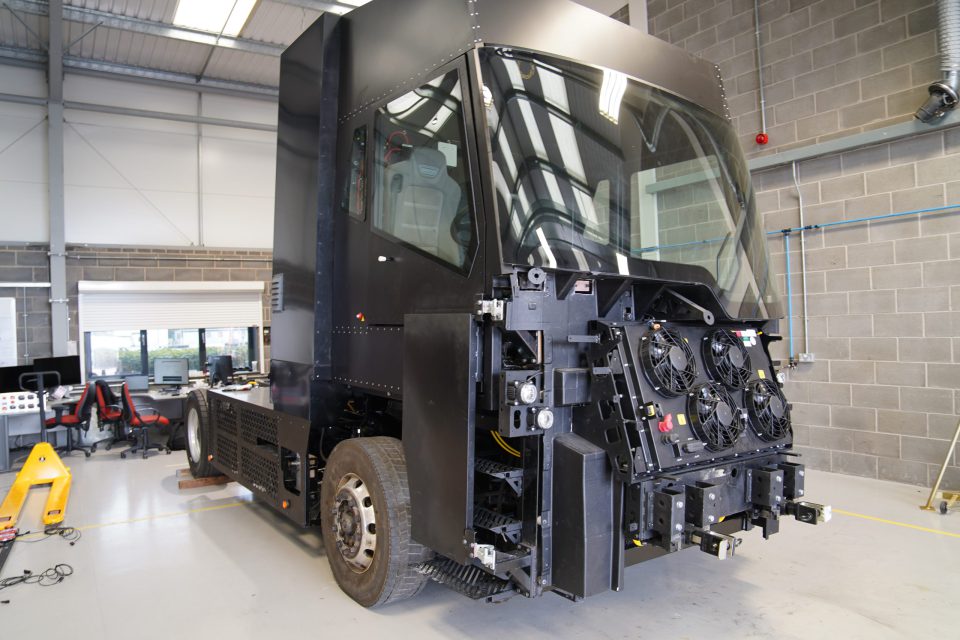
UK-based hydrogen vehicle specialist HVS announced its engineering prototype test “mule”, X1.5, to the HVS test facilities. This marks the beginning of the crucial development phase to bring the UK’s first full-sized hydrogen HGV to market.
X1.5, powered by the same state-of-the-art hydrogen fuel cell as will be used in the production HGVs, will be used for functionality and systems development, including dyno-rig testing, and is an important precursor to track testing prototypes that will quickly follow.
HVS closer to the release of its first hydrogen truck
John McKenna, Chief Technical Officer, HVS, said: “The team and I are thrilled that the X1.5 engineering prototype has arrived at our test facility, and we can now begin the vital development phase of testing the hydrogen fuel-cell technology on the dyno-rig. Maximising the performance of the fuel cell is a key step ahead of beginning on-track testing and bringing this exciting new HGV to market”.
Designed and engineered from a clean sheet approach, HVS’ zero-emission hydrogen electric HGV is set to decarbonise the hardest-to-abate section of the transport industry, heavy haulage. HGVs currently make up 1.5% of all vehicles on the road yet produce 19% of the emissions. HVS’ range of HGVs will emit only 693ml of water per kilometre as a by-product of the hydrogen fuel-cell producing electricity.