


Price of lithium batteries -97% in 30 years. And by 2050 an extra -68%
The price of lithium batteries has fallen by 97% in 30 years. Says a study by MIT, the Massachusetts Institute of Technology in Boston, published at the end of March 2021 in the journal Energy and Environmental Science and taken up by The Economist.
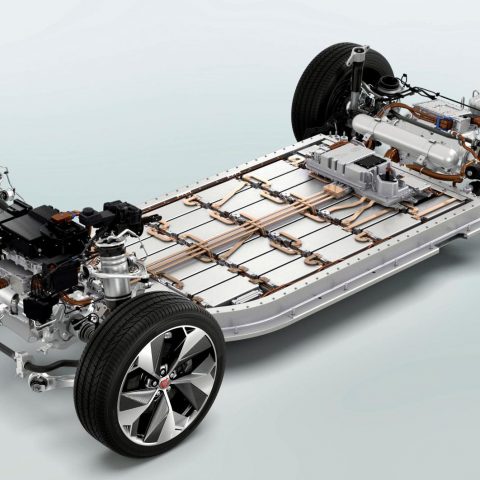
Try going back in time. It’s 1991 and you want to buy lithium batteries, which have just been launched on the market, for the daily energy needs of your home. The bill? Almost 65,000 euros. Today, in 2021, the price of lithium batteries has dropped down, and you need less than 2,000 euros to do the same operation, and you can charge the battery pack yourself in the car: it’s the size of a backpack and weighs 40 kilos. And in the future? According to Bloomberg, lithium batteries will cost 68% less in 2050 than they did in 2020.
Lithium batteries: price falls faster than expected
«The vertical fall in the price of lithium batteries has been much faster than many analysts had predicted and is comparable to that of photovoltaic modules, which some had considered to be an exceptional case. This trend brought us to the current situation and makes us wonder what might happen in the future», explains Jessika Trancik, co-author of the study and associate professor at MIT’s Institute for Data, Systems and Society. «While it was well known that the falling cost of batteries was a factor in the recent growth in electric vehicle sales, it was not clear how big that drop was. Through this detailed analysis, we were able to confirm that yes, lithium-ion battery technologies have improved in cost, at rates comparable to solar energy technology, and in particular photovoltaic modules, which are often cited as a sort of gold standard in clean energy innovation».
Cheaper batteries will help selling electric cars
It may seem strange that there was so much uncertainty about how much the cost of lithium-ion batteries had actually fallen and what factors explained it, but in reality much of the information is in the form of confidential company data that is difficult to access, even for a researcher. The cost of lithium batteries is driving the price of electric cars. Understanding what will happen in the future determines the success of full electric cars.
The issue, in fact, is not just about electric cars. According to a report by Bloomberg New Energy Finance, energy storage projects could attract investments of up to $277 billion between 2020 and 2050, thanks to a 68% drop in the cost of lithium batteries. According to experts at Bloomberg New Energy Finance, the cost of distribution networks will grow or remain stable, while the cost of a four-hour lithium-ion battery in 2050 will be $104 per kilowatt hour, compared to $320 per kilowatt hour in 2020. In short, investing in energy storage over the next few decades could be a competitive option compared to power lines serving large power plants.