
Toyota’s all-new fuel cell system is designed for commercial vehicle applications
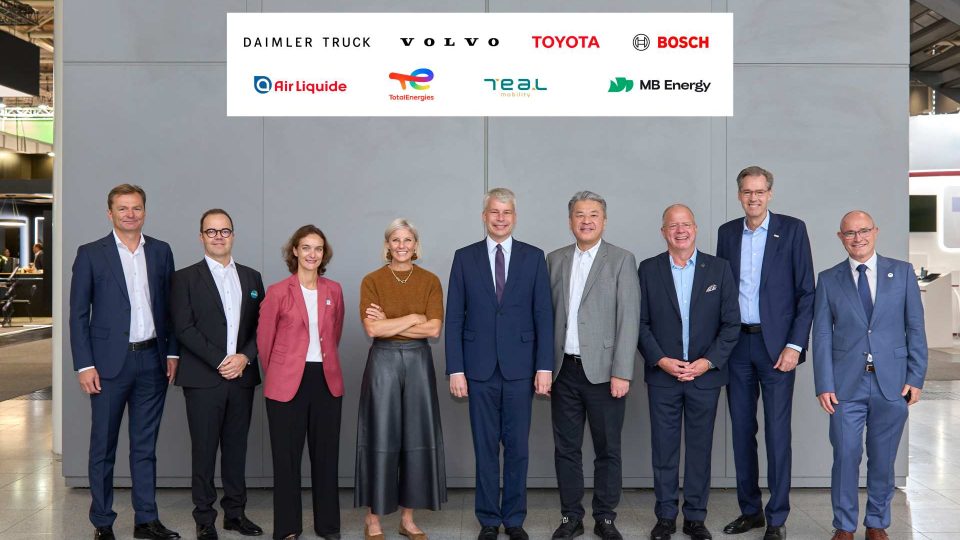
In a time when the feasability and convenience of hydrogen as a fuel for next-generation mobility is still uncertain, and some newly-formed hydrogen companies are in serious trouble, Toyota seems to believe in hydrogen as an important fuel in pursuit of carbon neutrality and is actively collaborating with partners across various industries.
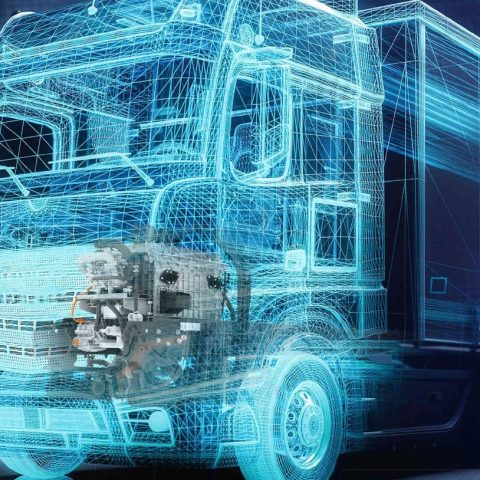
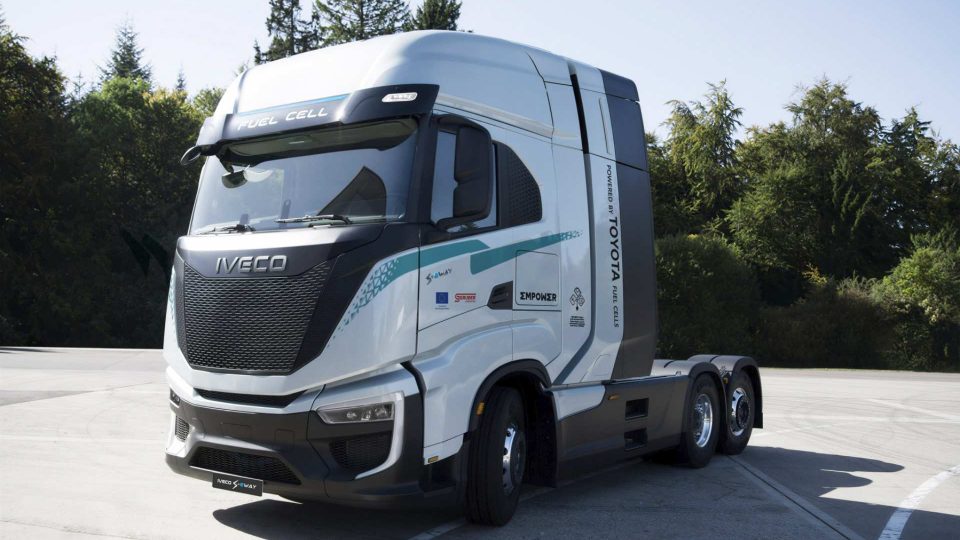
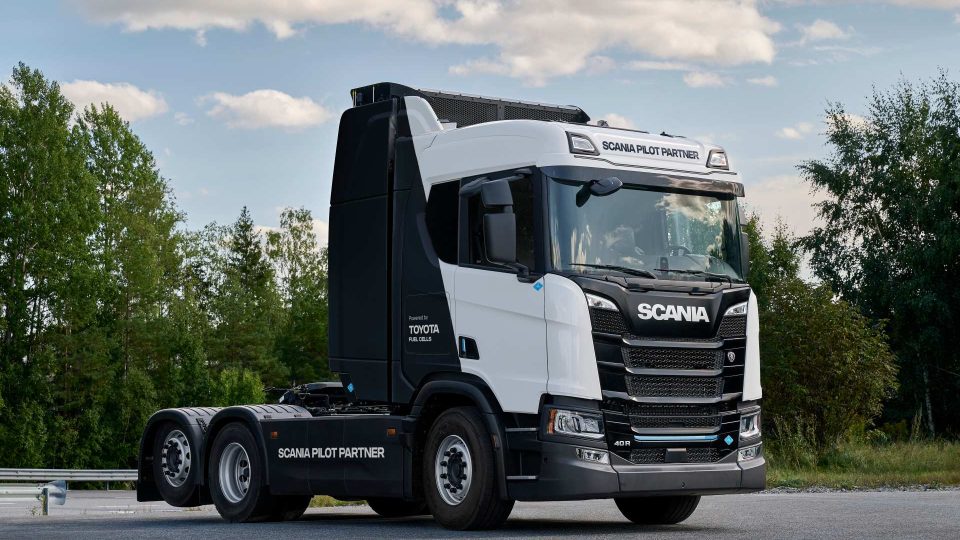
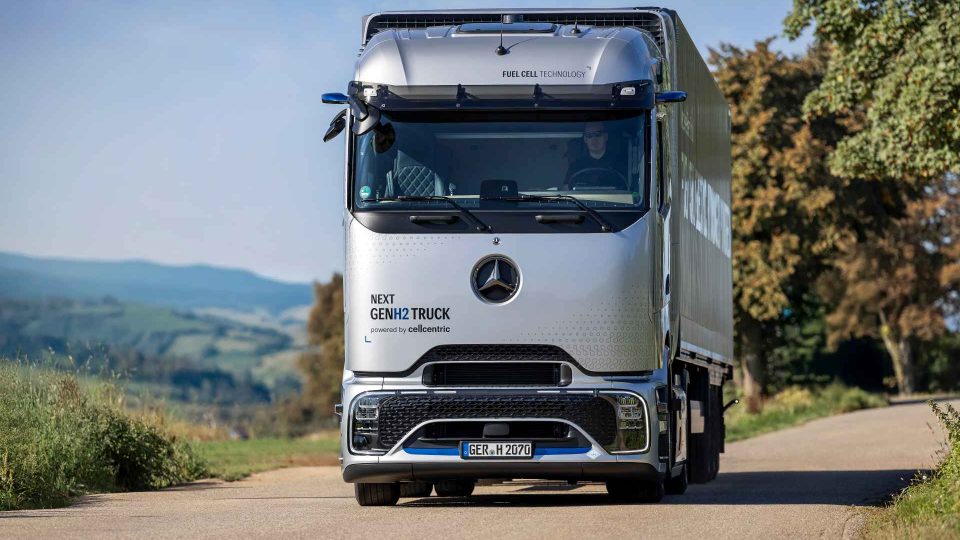
Toyota will soon introduce its third-generation fuel cell system, “designed to meet the particular needs of the commercial sector with the same durability as conventional diesel-powered engines”. In fact, in addition to passenger vehicles, the 3rd Gen FC System will be expanded for use in heavy-duty commercial vehicles, and is planned for introduction in markets mainly in Japan, Europe, North America, and China after 2026 at the earliest, as stated by the Japanese manufacturer.
In a time when the feasability and convenience of hydrogen as a fuel for next-generation mobility is still uncertain, and some newly-formed hydrogen companies are in serious trouble, Toyota seems to believe in hydrogen as an important fuel in pursuit of carbon neutrality and is actively collaborating with partners across various industries.
Toyota’s 3d Gen fuel cell: the main technical features
Among the main features of Toyota’s 3rd Gen fuel cell system are the expected improvement in durability up to two times that of the prior generation, as well as an improvement in fuel efficiency of 1.2x that of the prior generation, allowing for a 20% more cruising range. Finally, Toyota expects “significant cost reduction through innovations in cell design and manufacturing processes“.
For heavy-duty commercial vehicles, the new fuel cell system offers a level of durability comparable to diesel engines and high power. In addition, by designing the system to be more compact, it can be more easily integrated into various commercial vehicles.