
Road freight transition: a new obstacle as IRU, ACEA and T&E sound the alarm
Three key players in the road freight value chain are urging the European Commission to ensure continuous funding for the shift to zero-emission heavy-duty vehicles. They warn of a potential 2026–2027 pause once AFIF resources are exhausted.
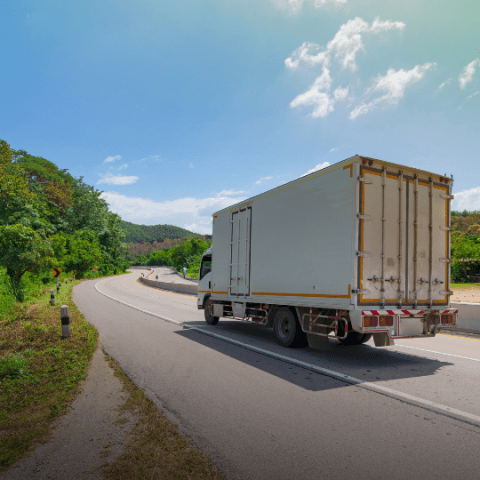
A potential funding gap between 2026 and 2027 could slow—just as the transition is gaining momentum—the shift of road freight transport towards zero-emission vehicles. This is the warning issued by the IRU, the European Automobile Manufacturers’ Association (ACEA) and Transport & Environment (T&E). In a joint letter, they have called on the European Commission to ensure continuity of public support for electric charging and hydrogen refuelling infrastructure dedicated to heavy-duty vehicles.
Transition: ACEA, IRU and T&E raise their voice
The issue centres on the Alternative Fuels Infrastructure Facility (AFIF), an instrument within the CEF Transport programme which—according to the signatories—has enabled around €3 billion in investment in projects across the European Union, helping expand networks. However, in Brussels there is discussion that, once AFIF resources are exhausted, a pause in support could emerge in the 2026–2027 period, in the absence of a successor mechanism ahead of the next Multiannual Financial Framework, which starts in 2028.
For freight operators, the organisations argue, the situation is straightforward: zero-emission trucks are reaching the market, but the sector’s tight margins make it difficult to commit to more expensive vehicles if there is no certainty that the necessary infrastructure will be available. IRU, in particular, highlights the role of depot charging, describing it as “the backbone” of day-to-day operations.
The request to the Commission is clear: extend AFIF or activate alternative EU instruments, in coordination with Member States, covering the entire value chain—from public and depot-based charging points to grid connections and energy storage solutions—so as not to lose momentum and to ensure that zero-emission road freight transport remains viable.