
Cespira CEO Carlos Gonzalez on HPDI, hydrogen and the future of renewable fuels
Ahead of IAA Transportation 2026, Cespira CEO Carlos Gonzalez tells Sustainable Truck&Van why the company's next-generation HPDI 3.0 technology is designed to bridge today's bio-LNG market with tomorrow's hydrogen-powered internal combustion engines, while stressing that infrastructure and fuel economics remain the key barriers to large-scale adoption.

Cespira is celebrating the first two years on the market. Indeed, the joint venture promoted by Volvo and Westport, and focused on expanding access to high pressure direct injection, or the patented HPDI fuel system technology, was introduced at IAA Transportation 2024. Since then, the company has made undisputable progress, working closely with truck makers and dealing with both biogas and hydrogen. We had a great conversation with the current CEO of the company, Carlos Gonzalez.
Mr Gonzalez, could you please take stock of this first period? Which were the major achievements?
We celebrated our second-year anniversary on 3rd June in Brescia, Italy, with a very nice event. Indeed, I have been in the company since April last year, so I have not been with them from the start. In this time that I have been here, we have been investing in establishing a solid foundation for growth both in manufacturing and within the supply chain. The second element that we have been focusing on is building the right skills, and the right leadership. Finally, we have connected with the stakeholders across the industry beyond our typical customers, which are truck OEMs. I’m very glad that we are achieving automotive standard production capability. We are growing strongly, and I expect double-digit growth in the years to come.
Cespira: investments on product development
What about the product, then?
Our product is present in more than 34 countries, and we are actively working with those stakeholders that I mentioned before to expand the penetration of HPDI fuel systems in other countries.
Let’s talk more about the Brescia plant. What’s the role of this facility within the Cespira (and Westport) ecosystem?
We are privileged to be in Brescia, as it’s an area with a strong industrial tradition. This translates into local availability of the right talent, and into having the right suppliers. Currently, two out of five suppliers are from Italy. Additionally, we have invested in a new clean room there in Brescia, which is where we assemble the most sensitive components. We have also invested in capacity to support the growth of our customers. In terms of people, two of our global leadership team, our Chief Financial Officer and our new Global Operations Director, are based in Brescia. It’s a very important hub for our company.
Why do you consider the evolution of patented HPDI technology crucial to achieving competitive and effective development of hydrogen in the trucking sector? And which are the current major challenges related to the development of hydrogen-powered ICE trucks?
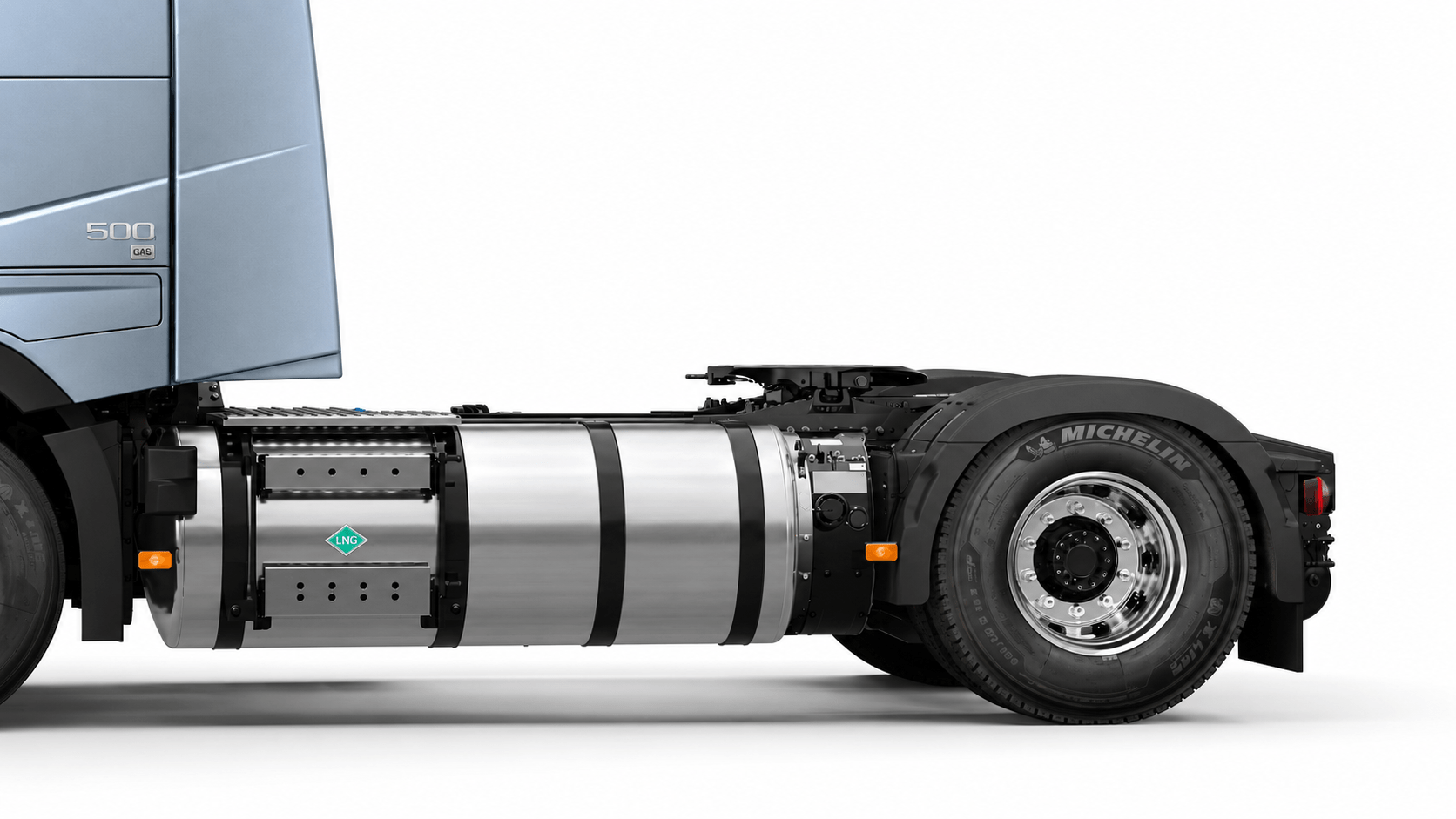
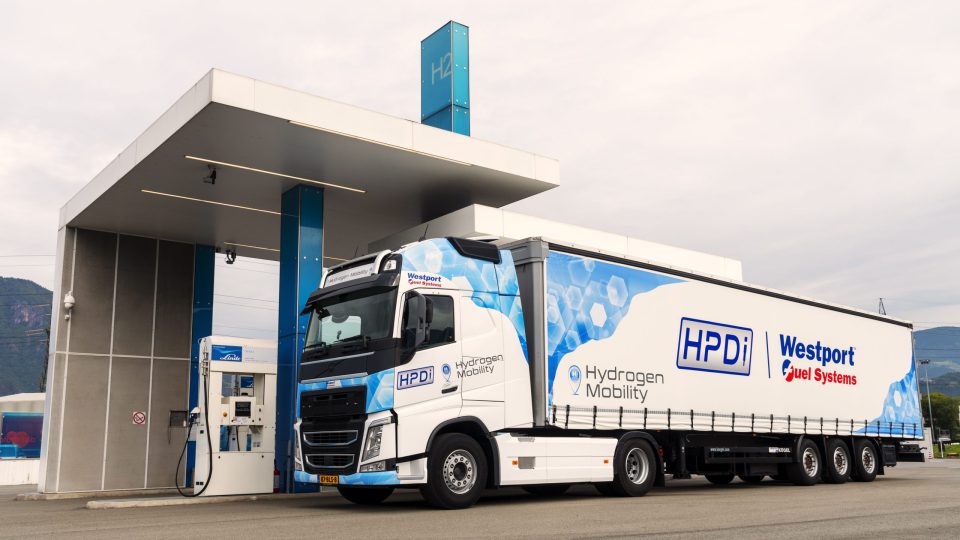
When we talk about renewable fuels, whether hydrogen or biogas, we need to look first of all at the opportunity for a technology to scale up and to replace an incumbent technology like diesel. So, our next generation fuel system, HPDI 3.0, which we will be launching this September during the IAA Transportation, has already been designed with materials which are compatible with hydrogen. And we have recently signed a contract with a customer to develop a hydrogen-powered truck before 2030.
Of course, to scale up such an application, you need the right availability of the fuel as well, so that means the right quantity, the right pricing, the right refilling infrastructure, and suitable governmental support. I don’t believe we can push technology that is commercially not viable for the fleets. And this is where hydrogen still has a role to play, but it’s not going to be immediate.

What can you do, as a player, to overcome such issues?
We are advocating for improving infrastructure to support hydrogen generation, but while the price of hydrogen is as high as it is now, I think the commercial viability will be limited to some very specific applications.
On the other hand, when you look at the bio-LNG, for example, we already have all these elements in place in Europe, including the price of the fuel itself. Let’s think about the infrastructure that keeps on developing in Europe with more than 800 stations, not to mention the growing production of bio-LNG, which is at the end of the day enabling the transition towards this fuel. And while generating this fuel, you are also cleaning up the country, because the raw material to make bio-LNG comes from organic waste. Finally, it’s becoming even more attractive because of the geopolitical dependency of importing fossil fuels in a volatile world.
Battery electric and hydrogen can coexist
Do we need more attention towards hydrogen and biogas from European political institutions? Is there too much talking about electrification, and not enough about renewable fuels?
I think that battery electric, hydrogen and bio-LNG will have a strong role to play in the future. It will depend on the mission profile, or the use case. I think battery electric is a fantastic technology when we’re talking about fixed routes with a certain number of kilometers with a mission profile that is enabling the charging times, and I’m very supportive of the work that the legislators are doing.
But when you look at heavy-duty transportation, by which I mean more than 16-ton trucks that are running thousands of km per week, this is extremely difficult to electrify because of the mission profile and the duty cycles. This is where renewable fuels will play a strong role, and we do see an improvement in the legislators’ support for bio-LNG.
About hydrogen, do you believe in the future we will see fuel cell vehicles and hydrogen-powered ICE vehicles, or do you believe hydrogen ICEs are more viable for trucks in terms of weight, technology, and industry readiness?
I believe fuel cells are a promising technology, although they’re very sensitive to the purity of hydrogen. This means you need to use hydrogen which is more than 99 percent pure, and this increases the cost of the generation of the fuel. The biggest question mark, in my opinion, is about its economic viability.
On the other hand, when you talk about hydrogen-powered ICE, you can even blend methane and hydrogen with our system without major changes in the vehicle. This allows for lower level of hydrogen purity, and therefore more affordable fuel. Let me be clear, I don’t have a crystal ball, so I cannot tell you if the in the future will have one or the other technology. What I can tell you is that, based on the existing ICE platform, with limited effort, you can enable the same platform to work with bio-LNG or to work with hydrogen or even a blending of the two. Also, the performance of the engine with hydrogen is mind-blowing, as we have been realising more than 50% engine efficiency. Again, it’s a matter of having all the elements aligned: the price of the fuel, the infrastructure, and the availability of the fuel itself.
Is Cespira working only with Volvo Group or also with other manufacturers in Europe?
We have a dual relationship. Volvo Group is one of our investors. Then, we have Volvo Trucks as our first and main customer today. However, we do not have exclusivity with Volvo Trucks, and we are in active conversations with other OEMs.
Looking at OEMs, do they really believe in such technology for the future? Are they putting the right efforts?
From a technical standpoint, when I’m discussing engineering with OEMs, there is full agreement that the HPDI technology is a very pragmatic solution. It’s efficient, reliable and basically preserves the performance and all the characteristics of the diesel engine. What they need to understand is the economics behind and the investment, because they have invested heavily in developing technologies for battery-electric vehicles, for example, and still sales are below their expectations. I understand that they must be prudent right now with their investments.
And this is where bio-LNG makes sense because it has better TCO than the incumbent diesel technology. In the end, I expect that the economics will push OEMs towards making this technology commercially available across their heavy-duty truck product line-up.
Looking towards IAA Transportation 2026
Finally, IAA Transportation 2026 is on the way. What can we expect from the company’s first participation in the major European trade fair?
In Hannover, we will unveil our next generation product. It’s called HPDI 3.0. We want to tell OEMs that if they invest in this technology, they can harness the benefits today of trending fuels like Bio-LNG. But they are also hedging for the future use of other renewable fuels like ethanol or hydrogen, which requires just a relatively modest incremental effort because the big effort is already done with the earlier adoption of the on-engine components. I’d like to add that, in my experience, the IAA is not only about bringing messages. What matters to me is the dialogue, the connections we make with different stakeholders in the industry to understand what their adoption barriers are, what they expect from a technology like ours, and how we can provide a meaningful contribution to the energy transition.