

ABB E-mobility to support ASKO’s electric truck charging network in Norway
ABB E-mobility has signed a service agreement covering the operation, maintenance and support of ASKO's electric truck charging infrastructure in Norway. The logistics company currently operates more than 60 high-power chargers across seven cities, which have delivered over 20 GWh of electricity since 2019.
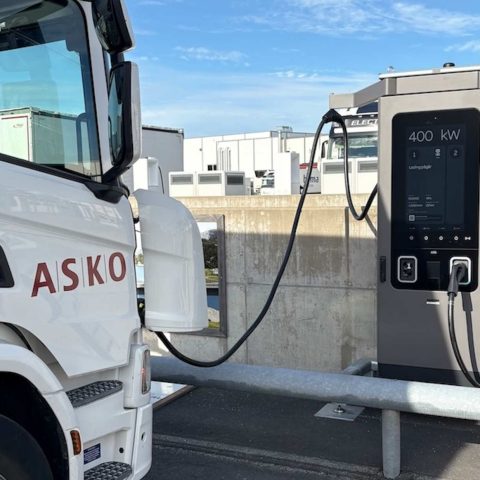
ABB E-mobility has signed a service agreement with Norwegian grocery wholesaler and logistics provider ASKO covering the operation, maintenance and support of its electric truck charging infrastructure.
The agreement expands a partnership that started in 2019 and reflects the growing operational importance of charging as ASKO progressively electrifies its transport fleet. The company operates around 700 trucks supplying more than 1,800 grocery stores across Norway.
ABB E-mobility will now provide ongoing monitoring and maintenance of the charging infrastructure, with the aim of ensuring the availability required for ASKO’s daily logistics operations.
More than 60 high-power chargers across seven cities
Since the collaboration began, ABB E-mobility chargers used by ASKO have delivered more than 20 GWh of electricity. According to the companies, 5.5 GWh was delivered in the last twelve months alone.
The charging network has meanwhile expanded to more than 60 active high-power chargers across seven Norwegian cities.
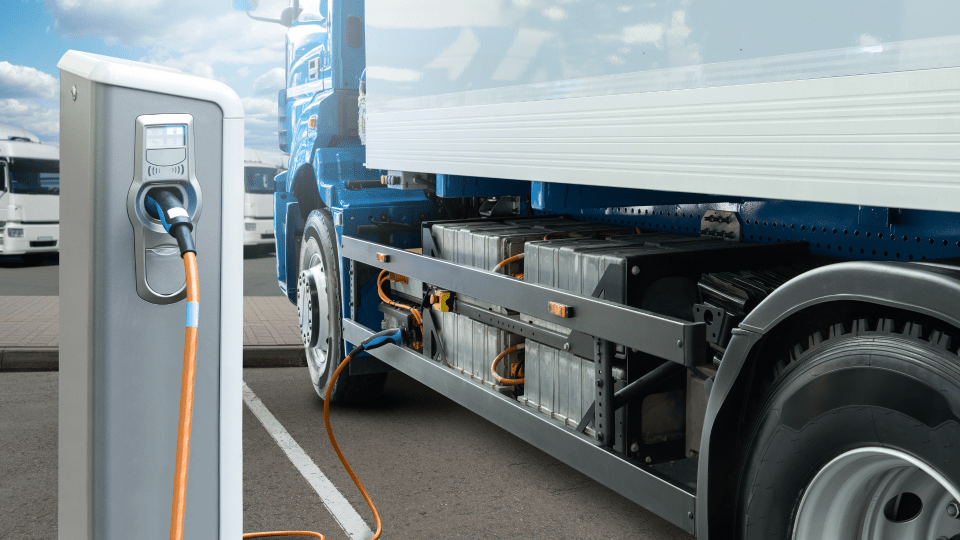
More recently, ABB E-mobility installed its A400 high-power charger at one of ASKO’s logistics facilities. The charger can deliver up to 400 kW and adds to the infrastructure supporting the company’s growing electric truck operations.
ASKO has been investing in electric vehicles, charging infrastructure and renewable energy as part of its ambition to eliminate fossil fuels from transport. In the Oslo region, grocery deliveries have been carried out using electric vehicles since 2025, according to the company.
“Charging infrastructure is becoming an increasingly important part of our operations as we electrify our transport fleet,” said Lars Erik Olsen, Technical Manager at ASKO. “For ASKO, this agreement is about predictable service and maintenance, stable charging operations and reliable deliveries to our customers.”
From charging hardware to operational support
The new agreement therefore moves the relationship between the two companies beyond the supply of charging hardware, establishing a framework for monitoring, servicing and maintaining the infrastructure already in operation.
For a logistics fleet, this also makes charger availability increasingly comparable to other operational requirements traditionally associated with the vehicles themselves: a charging failure can directly affect truck availability and scheduled deliveries.