
Inside BorgWarner’s electrification portfolio: LFP batteries, inverters and electric motors
BorgWarner's electrification portfolio for commercial vehicles spans modular LFP battery packs, advanced inverters and electric motor technologies, including rare-earth-free solutions. The company's experts told us how cost, efficiency, manufacturing processes and material choices are shaping the development of these components. Waiting for growing figures, also in heavy-duty commercial transportation in Europe.
Electrification is not just about batteries. In commercial vehicles, efficiency, performance and cost depend on a complex combination of technologies, from energy storage to power electronics and electric motors. BorgWarner, a major global automotive technology supplier with a broad portfolio covering both conventional and electrified powertrains, is active across several of these areas.
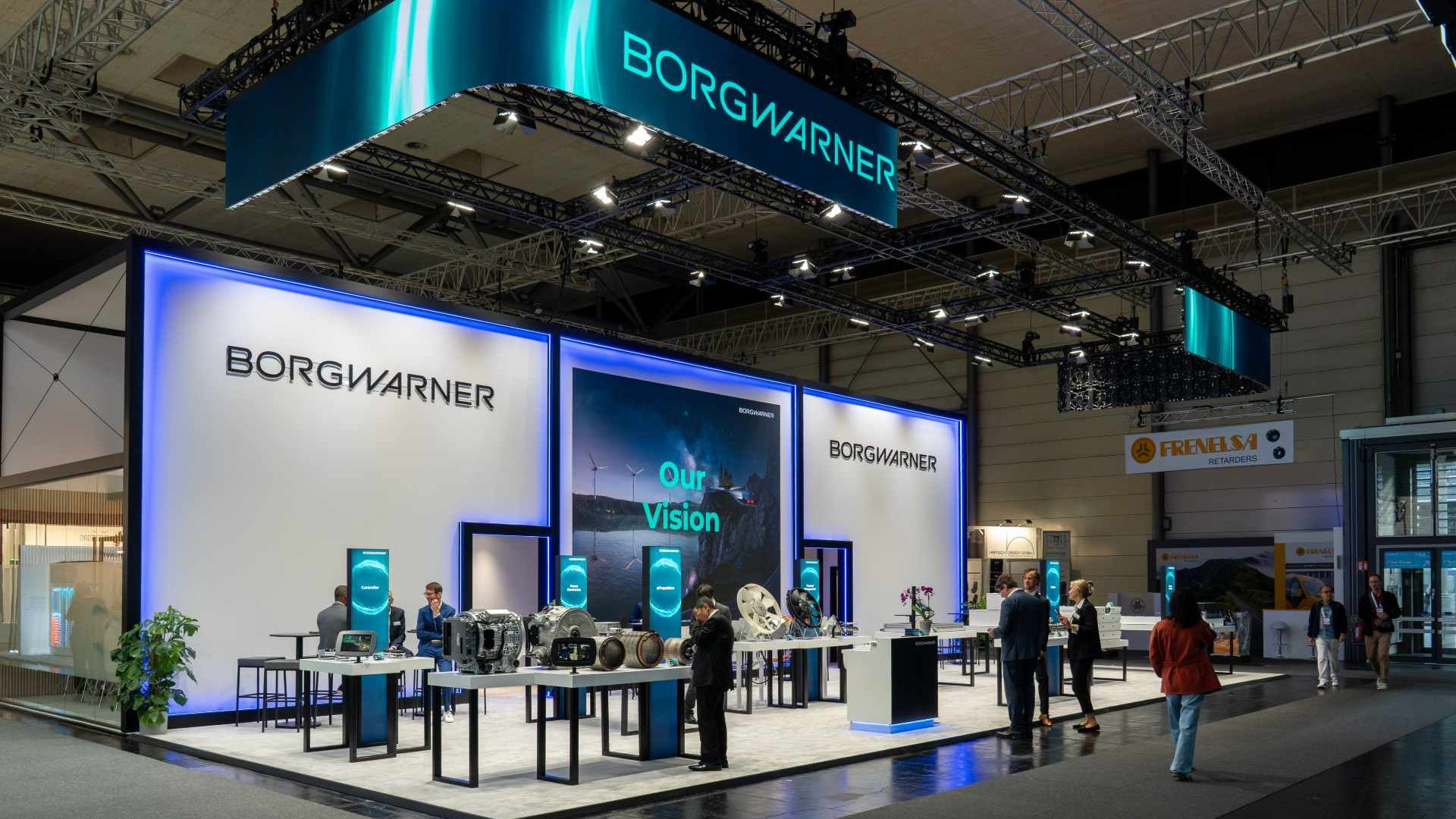
At IAA Transportation 2026 in Hanover, the company showcased some of its latest solutions for commercial vehicles, including its next-generation LFP battery packs, advanced inverters and electric drive technologies. The exhibition was also an opportunity for Sustainable Truck&Van to speak with BorgWarner’s experts about the technological choices shaping the electrification of trucks and buses.
We started with battery systems, where the transition from NMC to LFP chemistry is bringing significant changes in terms of costs, flexibility in terms of design and applications.
BorgWarner’s energy storage systems: the latest advancements
The current series production pack of NMC batteries is based on cylindrical cells. BorgWarner has got a couple of different options, one with five modules in a pack, the other with nine modules with a longer shape. NMC technology will remain part of BorgWarner’s portfolio and will continue to evolve. However, the next generation of battery packs will be made with LFP cells, as the market is clearly showing, starting from China. “We also see that, and we know it from our customers”, BorgWarner experts told us during an interview we recorded at IAA 2026. According to the battery maker, it’s mainly a matter of costs, mainly referred to raw materials purchase, with a gap of approximately 20 to 30 percent between NMC and LFP battery packs.
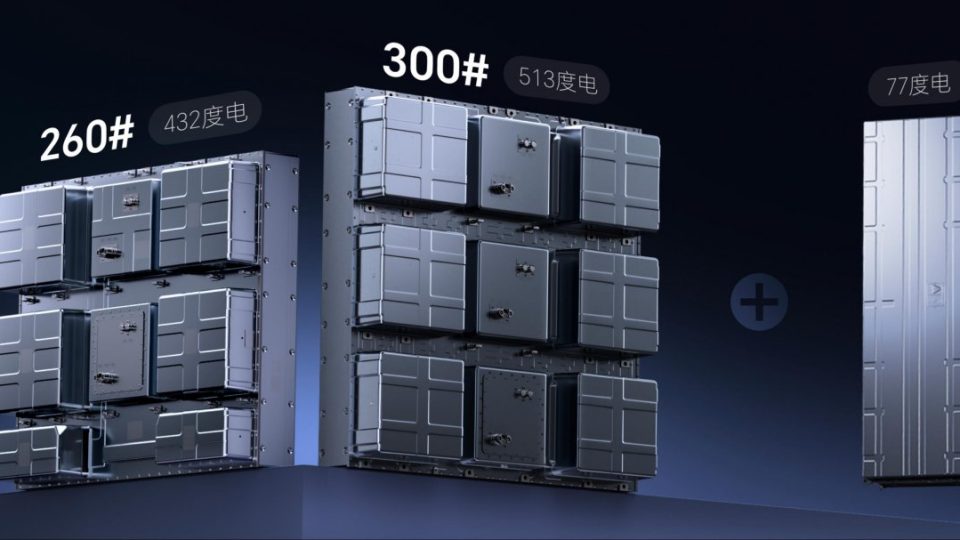
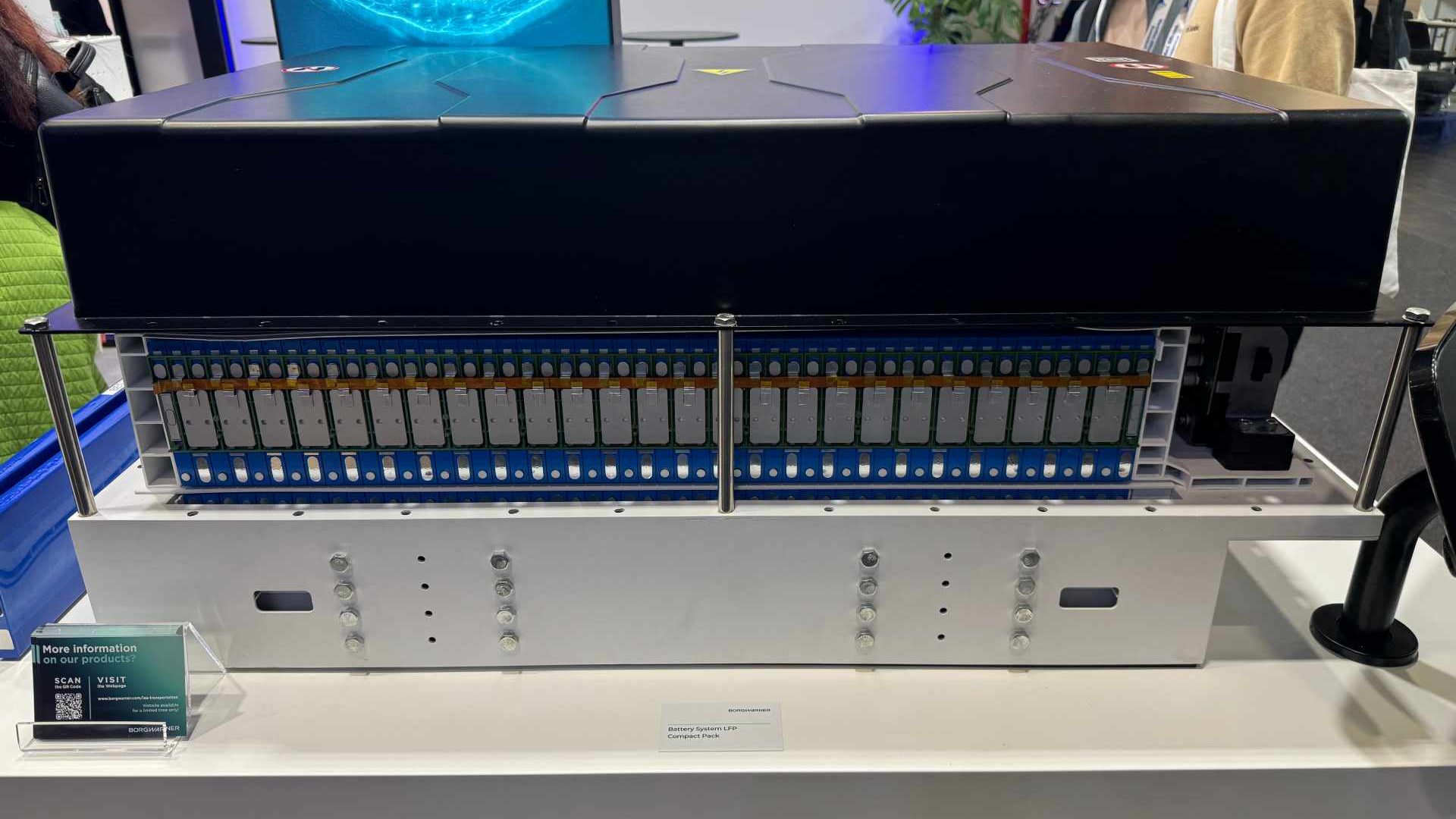
So, speaking of LFP technology, BorgWarner will have a flat pack which is quite thin, mainly conceived for bus underfloor installation. Then, there’s a cubic pack, which is mainly for truck applications. The compact pack is more or less half of the cubic pack, and finally a high pack, which is nearly double compared to the flat pack, though they all have the same cells.
The agreement with FinDreams on battery cell supply
The latter are provided from FinDreams, a BYD company, which is a well-established partner of BorgWarner. “The use of a common cell and architecture across all form factors of the pack family enables a flexible manufacturing approach. Each pack is built from the same standardized cell pre-stack, with the different form factors using different multiples of this stack, allowing all pack variants to be produced on the same assembly line.”. However, there’s an important difference between NMC and LFP cells in the BorgWarner portfolio, with the first type having a cylindrical shape, while LFP cells will use blade cell format.
It’s quite worthy to point out that BorgWarner established a partnership with BYD’s FinDreams back in 2024. Under the agreement announced in 2024, BorgWarner has the right to localize LFP battery packs for commercial vehicles using FinDreams Battery blade cells in defined markets.
Applications: trucks are expected to grow even more
Speaking of applications, though, buses and trucks are the main ones for BorgWarner, also considering medium to light trucks. Off-road vehicles are also included, even though the figures are still quite low. “The beauty of our battery pack family is that you can combine several shapes, even in the same vehicle. For instance, it’s possible to install four cubic packs and then add two compact packs if some additional space is available, and of course required by the user”, BorgWarner experts told us.
Potrebbe interessarti

BorgWarner opens the doors to its Gigafactory in Darmstadt, now capable of producing 3.5 GW per year. Our report
“In the trucking sector, electrification is expected to grow a lot all over Europe, to achieve CO2 and avoid possible penalties. Of course, fleets need to buy electric trucks, but we see the scenario is changing and the interest is growing”, BorgWarner spokespersons told us. Then, additional business opportunities may come from newcomers approaching the European market, especially those truck manufacturers coming from China.
Battery systems, however, represent just one part of BorgWarner’s electrification portfolio. Once energy is stored on board, the next challenge is to convert it efficiently and deliver it to the electric motor. This is where power electronics and electric drive technologies come into play, with thermal management, reliability and manufacturing processes playing a crucial role.
Our conversation with BorgWarner’s specialists therefore moved from battery architecture to another important area of the company’s expertise: inverters and electric motors, including the different technologies used in their stators and rotors.
The BorgWarner portfolio for CVs: inverters and electric motors
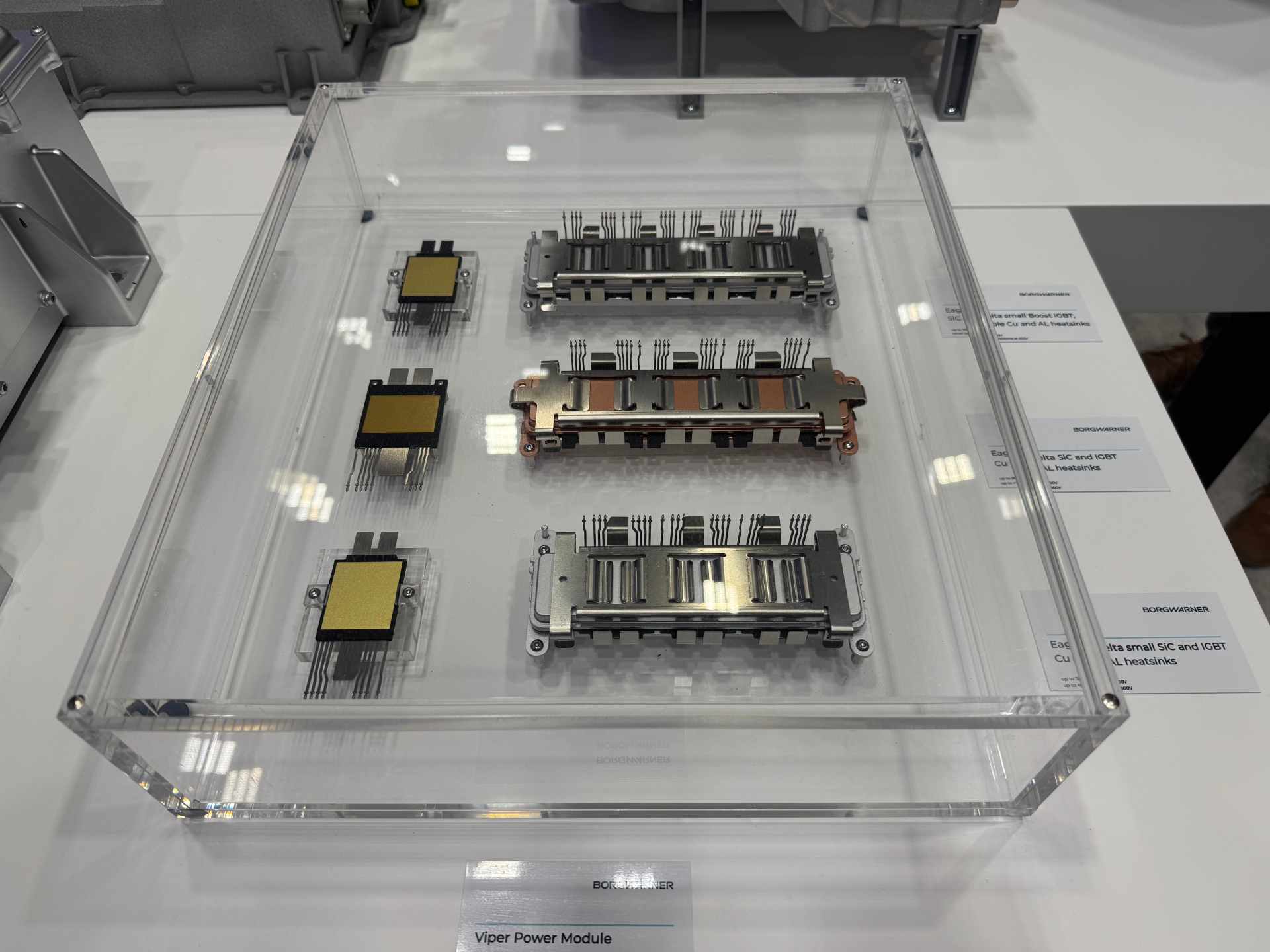
The distinctive feature of the BorgWarner system is the integrated management of the inverter, from the switch to the power module, all the way to the complete inverter. The power module, for example, is unique in that the water coolant circuit flows both above and below it, thereby cooling both sides of the switch. This system is clearly more complex mechanically than the standard design, which reduces the likelihood of failure.
Beyond the inverter, the electric motor itself offers further opportunities for technological differentiation. Two particularly interesting areas are stator design, where different winding technologies and manufacturing processes are available, and rotor development, where reducing dependence on rare-earth materials is becoming an increasingly important objective.
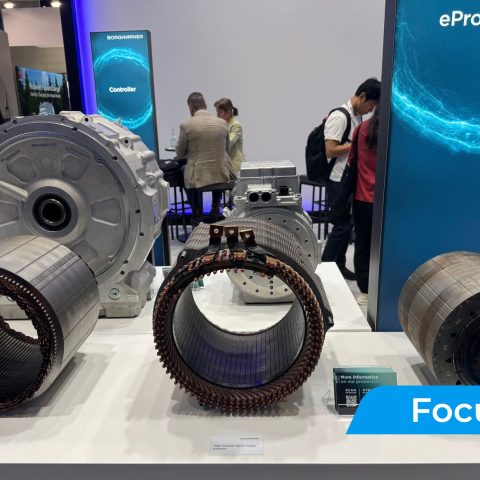
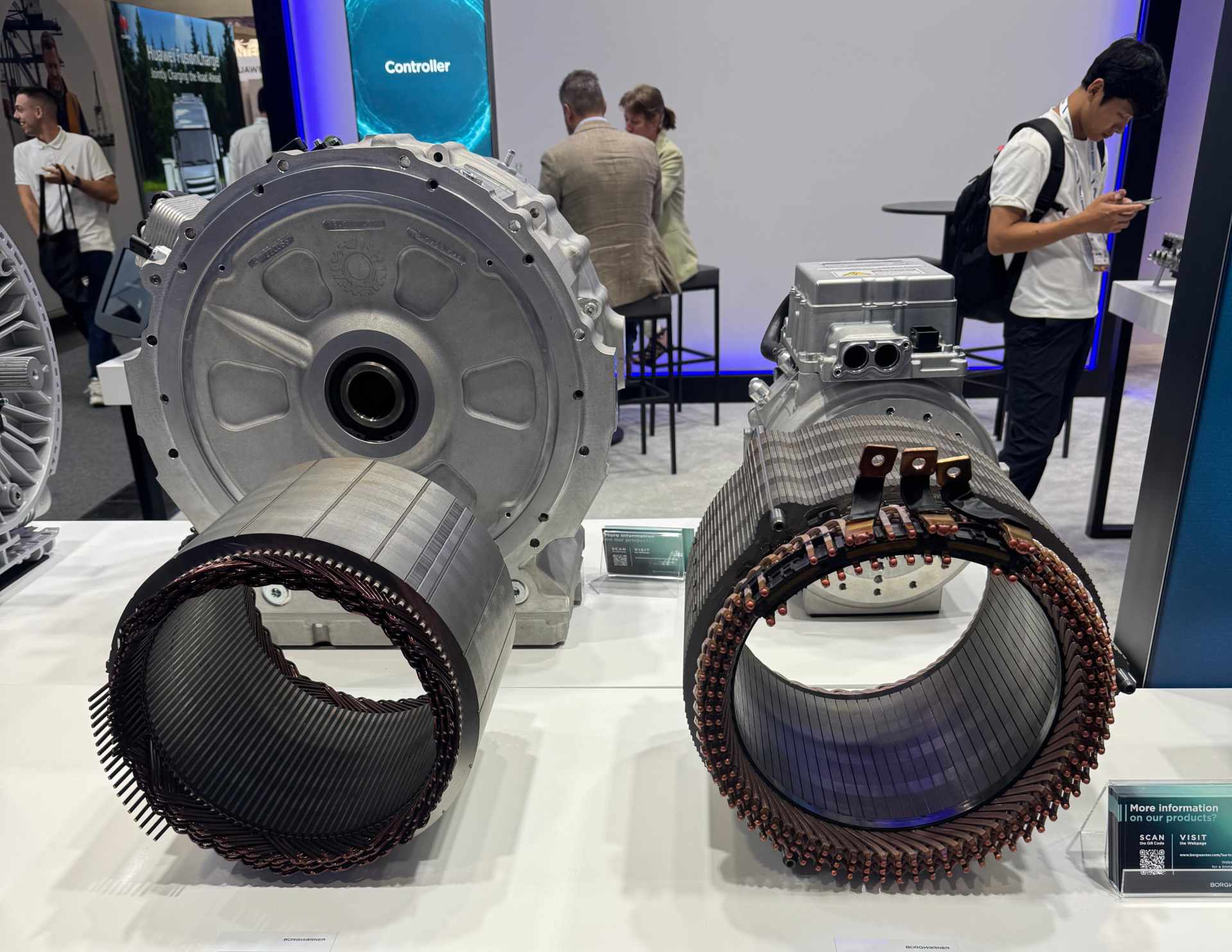
In this regard, BorgWarner offers two different technologies in its product line: the so-called S-winding stator and the hairpin stator. On the one case, the coil is continuous and is wound onto the stator; on the other, the hairpins are inserted and then welded on one side using TIG welding, or even laser welding. The manufacturing of products like this is highly automated, especially in Europe. The investment in automating production lines has been substantial, with the goal of achieving a highly reliable and efficient product.
Electric motors: the rotor
In this field, the trend is to avoid the use of rare earth elements as much as possible, especially in Europe. BorgWarner has therefore developed rare-earth-free products that are still magnetic, as well as magnet-free products based on induction technology. This is an interesting point, especially since discussing electric motors isn’t so straightforward, and there is a great deal of secrecy in the industry regarding the supply of the electric motors that power electric vehicles. We asked BorgWarner’s experts about the electric motor market, with a particular focus on commercial and industrial vehicles. “The market is highly fragmented and competitive. In light commercial transport, motors derived from passenger cars are used, while heavy-duty transport requires a slightly higher level of specialization. It should be noted that the product logic is the same: what changes is the current level and power output, with technologies that are therefore fully scalable. In certain segments, the competition is also driven by price, in addition to technology,” they replied.