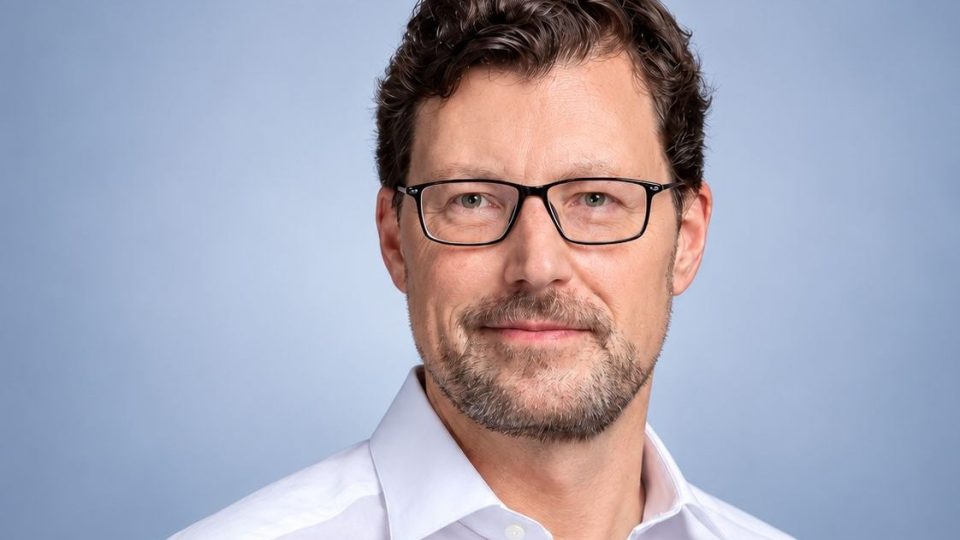

ACEA, Harald Seidel (DAF Trucks) is the new Chairman of the Commercial Vehicle Board
Seidel will lead the board in 2024. “Let there be no doubt: truck and bus manufacturers are dedicating all their efforts to help decarbonise road transport. But policy makers must match the ambitious targets for vehicle manufacturers with equally ambitious conditions to enable their market uptake.”
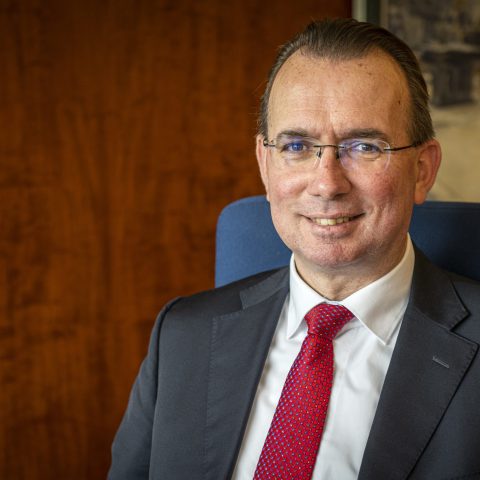
Harald Seidel (DAF Trucks) is the new Chairman of the Commercial Vehicle Board within ACEA, the European Automobile Manufacturers’ Association. Seidel will lead the board in 2024 and succeeds to Martin Lundstedt, CEO of Volvo Group, who held office for the past two years.
The words of Harald Seidel, new Chairman of the CV Board within ACEA
“2024 will be a game-changing year for the European truck industry. Firstly, negotiations on the CO2 regulation for heavy-duty vehicles, which enshrines more ambitious decarbonisation targets for trucks and buses into law, should be wrapped up over the coming months,” stated Harald Seidel. “Let there be no doubt: truck and bus manufacturers are dedicating all their efforts to help decarbonise road transport. But policy makers must match the ambitious targets for vehicle manufacturers with equally ambitious conditions to enable their market uptake.”
“Europe’s whole heavy-duty transport ecosystem requires a rapid transformation, involving efforts from a wide range of public and private actors – not just truck makers,” cautioned Seidel. “We are playing our part by investing billions in zero-emission battery-electric and hydrogen-powered vehicles, and this is already paying dividends for Europe’s green transition. But our efforts are being impeded by a lack of three crucial elements: charging and hydrogen refilling infrastructure, effective carbon pricing schemes, and measures to support transport operators to replace conventional vehicles with zero-emission models”.