
Aurora launches second-generation driverless truck platform to scale autonomous freight
The U.S. autonomous trucking company has introduced its second-generation driverless platform, combining new software and hardware designed for large-scale deployment. Developed with manufacturing partners including Volvo, the new system marks Aurora's shift from pilot operations to industrial-scale commercialization.
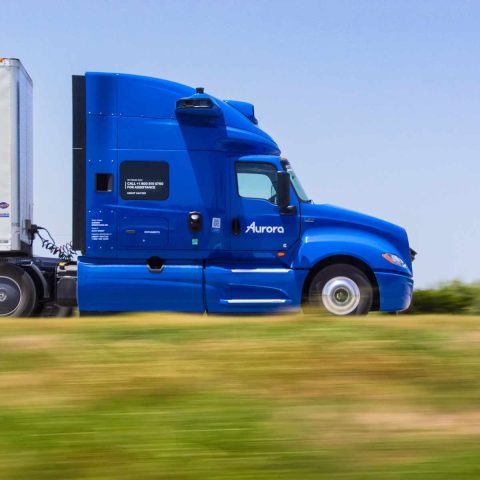
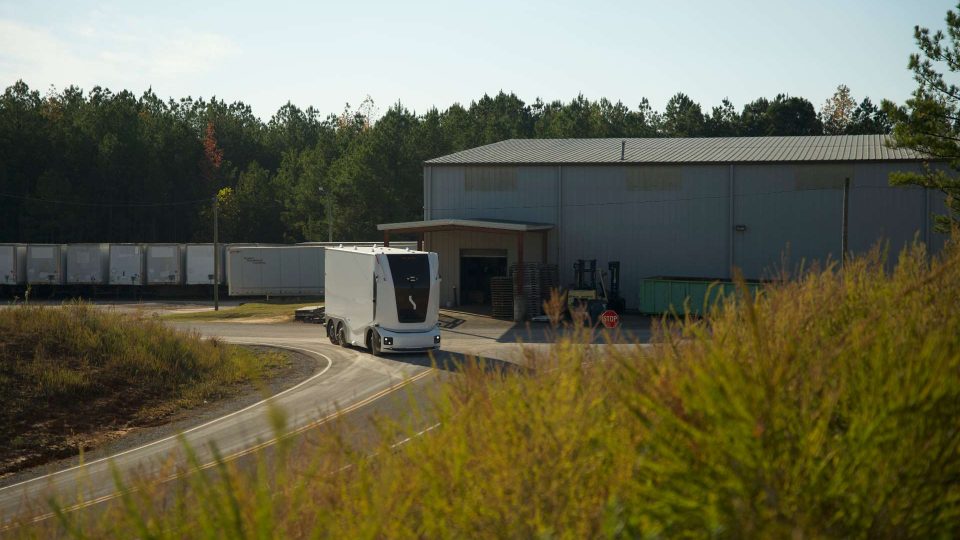
Aurora Innovation has unveiled the second generation of its driverless trucking platform, a milestone that signals the company’s transition from proving autonomous technology on public roads to deploying it at commercial scale. The new platform integrates Aurora’s latest autonomous driving software with a redesigned hardware suite and will be rolled out across the company’s commercial network, which now includes ten driverless freight routes across the U.S. Sun Belt.
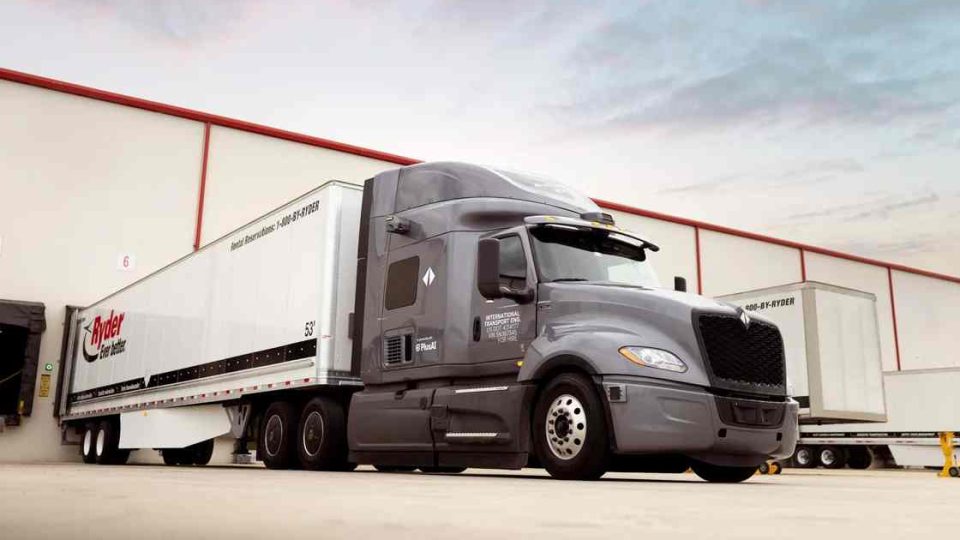
The launch follows Aurora‘s first commercial driverless operations in 2025 and comes as the company continues expanding partnerships with fleet operators and truck manufacturers, including Volvo Group, PACCAR and International Motors. As of the end of June, Aurora said its autonomous trucks had accumulated nearly 440,000 driverless miles.
Built for scale
Unlike the first-generation platform, primarily intended to validate the technology under real operating conditions, the new system has been engineered for high-volume deployment. Aurora says the second-generation hardware has been designed for a service life of up to one million miles and can be manufactured at industrial scale, with partner Roush targeting an annual production rate of 1,000 autonomous trucks by the end of the year.
The company plans to deploy the new vehicles to serve additional customers across its expanding freight network, responding to growing demand for autonomous long-haul transport. According to Aurora, one customer has already announced plans to purchase 500 trucks equipped with the Aurora Driver once commercial production ramps up.
Volvo partnership enters a new phase
For the commercial vehicle industry, the announcement is also significant because it reinforces Aurora’s strategy of working alongside established truck manufacturers rather than developing proprietary vehicles. Volvo Group remains one of the company’s key industrial partners through Volvo Autonomous Solutions, with the two companies collaborating on integrating the Aurora Driver into Volvo’s autonomous truck platform for future commercial deployment.
More broadly, the new platform suggests that Aurora now considers autonomous trucking to be moving beyond the pilot phase. Rather than demonstrating that driverless freight is technically feasible, the focus has shifted to scaling production, expanding commercial operations and making autonomous trucks available to customers in meaningful volumes.