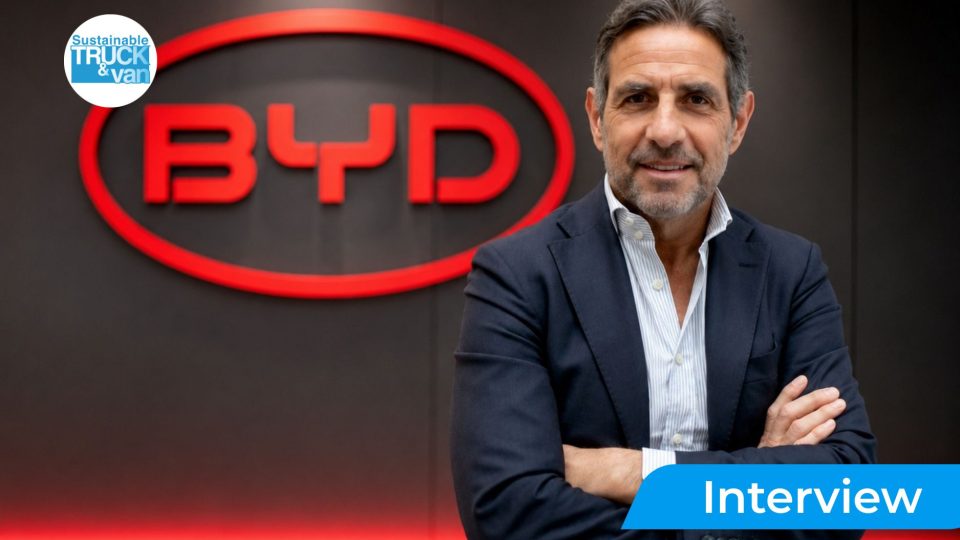

Spirii CEO Matthias Wiecher: “Turning truck depots into charging hubs could accelerate electric mobility”
How can Europe's transport operators expand charging access without waiting for an entirely new public network? In this interview, Spirii's CEO discusses the partnership with Daimler Truck's TruckCharge Network, the potential and limitations of semi-public depot charging, and the economic factors shaping electric truck adoption.

Making existing truck depots accessible to other transport operators could become an important step towards a more extensive European charging network. However, turning private infrastructure into semi-public charging locations requires more than installing high-power chargers: access management, booking systems and integration with fleet operations are equally important.
Danish charging software specialist Spirii, part of the Edenred Group since 2024, is working with Daimler Truck on these challenges through the TruckCharge Network. We spoke with the company’s CEO, Matthias Wiecher, about the opportunities and practical limitations of semi-public charging, the role of software in electric fleet operations, and the prospects for electric trucks as total cost of ownership approaches parity with diesel.
Spirii CEO Matthias Wiecher: something more about the company
Mr Wiecher, can you give us an overview of Spirii and its activities?
At its core, Spirii provides charge point management and e-mobility service provider (eMSP) software platforms for fleet customers, including passenger cars and truck fleets, as well as charge point operators (CPOs). Beyond these platforms, we offer a range of managed services, including call centre support, operations management, payments and invoicing. Our goal is to enable customers to continue focusing on their core business.
When was the company founded?
Spirii was founded in Denmark in 2019 as a startup. In 2024, the company was acquired by the French Edenred Group, which operates in several sectors, including mobility. Nevertheless, Spirii has retained its own brand, go-to-market strategy and organisational structure.
How important is heavy-duty electric mobility to Spirii compared with passenger cars and light commercial vehicles?
Although most of our business currently comes from passenger cars, the commercial vehicle sector is very important to us. Our first applications were in the bus sector, and now electric trucking is gaining momentum.
What are the main charging requirements and challenges facing European transport companies?
When it comes to scaling up electric truck charging, there are still very few software solutions specifically designed to address the sector’s needs. Our ambition is to develop a platform that tackles the challenges of electric trucking directly, rather than treating them as an extension of passenger car charging.
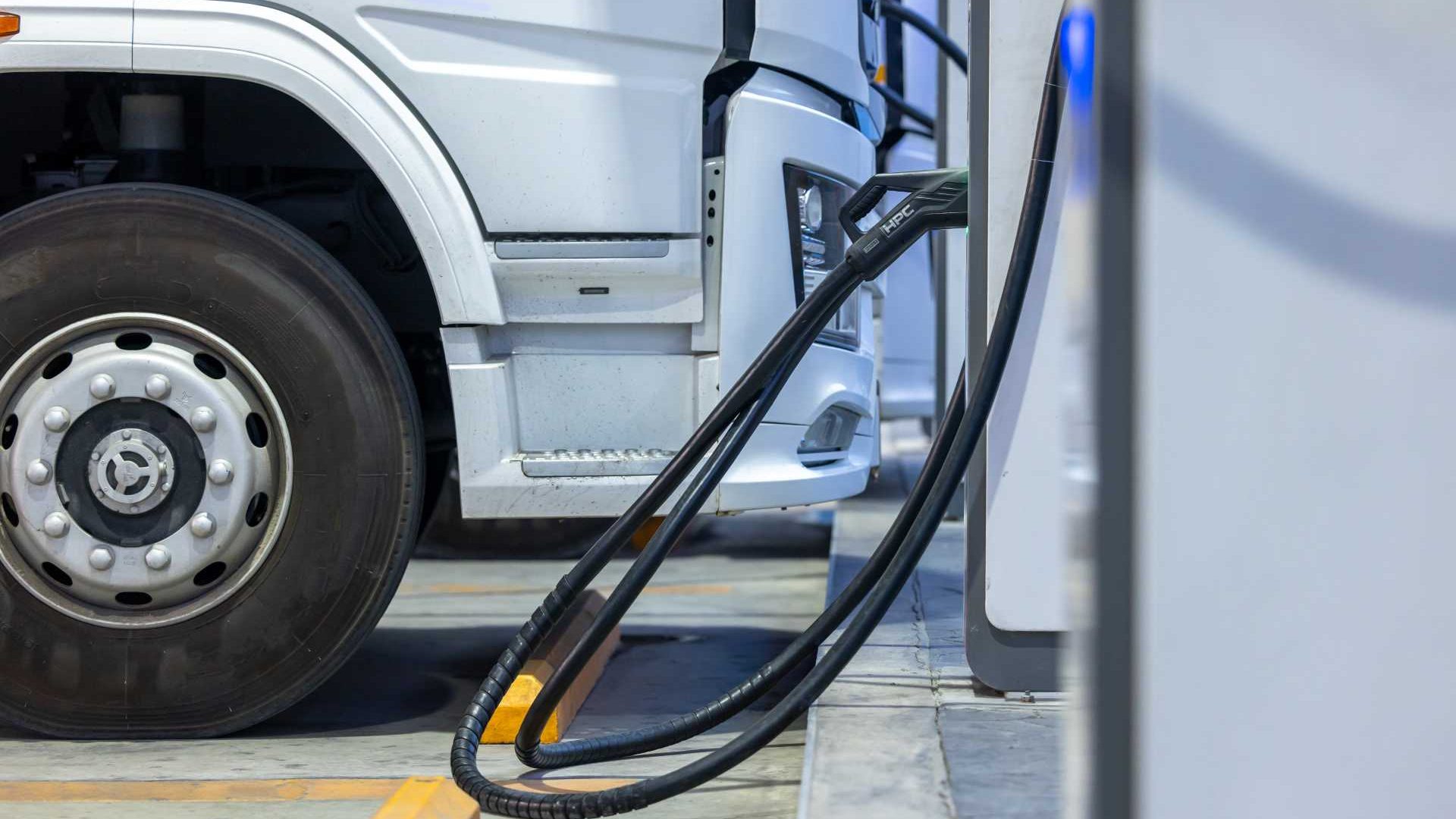
Our partnership with Daimler Truck and its TruckCharge Network is a clear example. Transport companies want to operate their trucks much as they always have, except that the vehicles are now electric. This means integrating charging and energy management into their existing fleet and transport management systems. We are working with partners to make that integration possible. Ideally, fleet managers should not even need to change the digital environment they already use.
The partnership with Daimler Truck
Let’s discuss the recently announced partnership with Daimler Truck. How does Spirii’s charge management system interact with the TruckCharge Network, and what are the main benefits for transport companies?
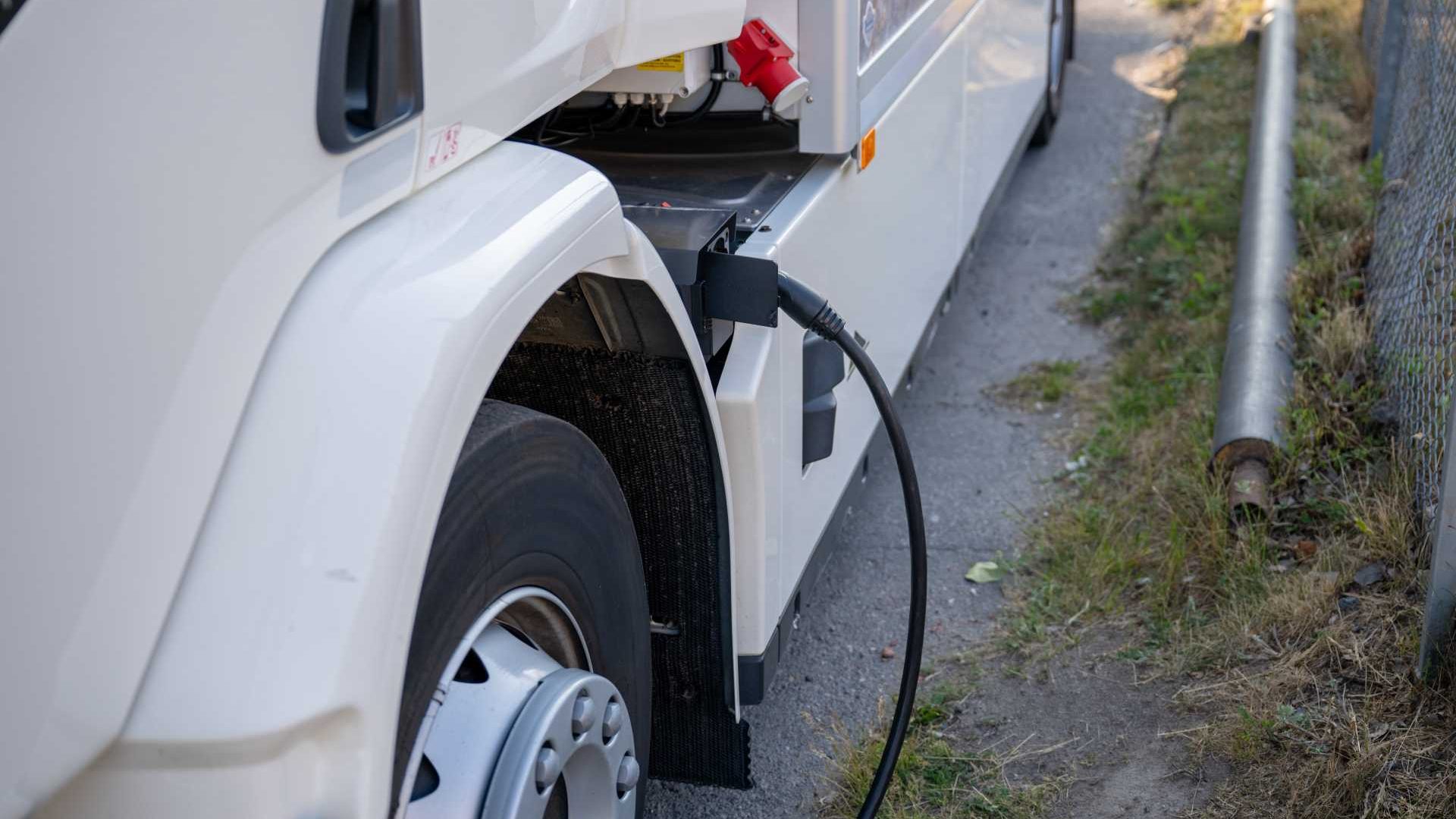
Daimler Truck wanted to help its customers, including transport and logistics companies, establish charging infrastructure at their depots. At the same time, the company wanted to give them the opportunity to make those charging facilities available to a selected group of other transport operators. In other words, to turn private depots into semi-public charging locations.
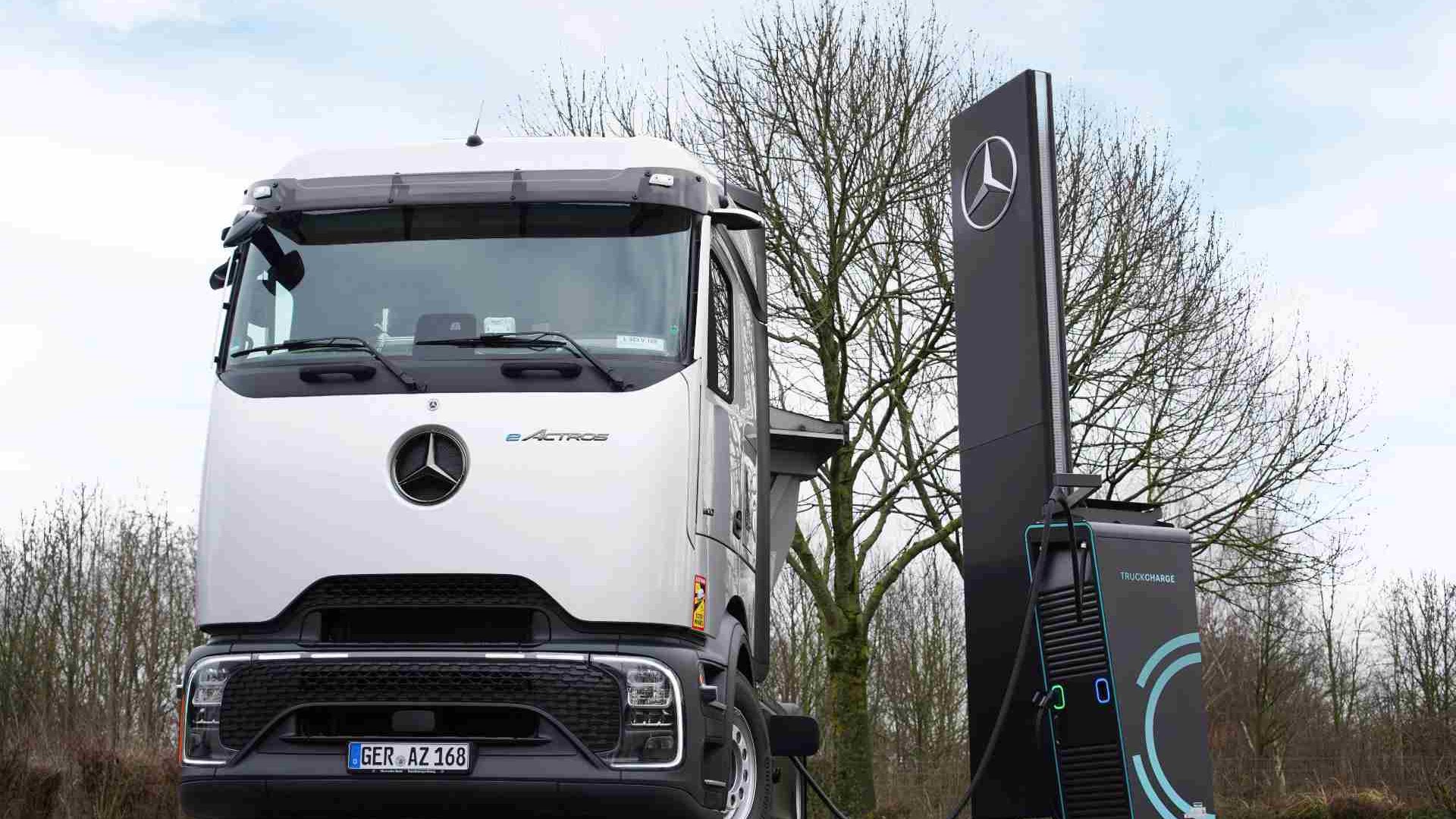
But what does semi-public charging actually mean? Essentially, operators need to be able to grant access to selected external drivers and trucks while ensuring that their own transport activities are not disrupted. They also need a kind of marketplace where other companies can easily identify and book available charging slots. These are precisely the capabilities we already offer and are continuing to develop together with Daimler Truck.
Could this model be replicated through partnerships with other truck manufacturers in Europe?
Yes and no. Daimler Truck’s TruckCharge Network benefits from being open to multiple players. Replicating this model would require a similarly open approach, supported by clearly defined rules and requirements. Of course, Spirii can and will work across multiple OEM brands, customer groups and user communities throughout Europe.
Given your previous experience at Einride, you have considerable knowledge of heavy-duty electric mobility. What is your personal view of semi-public charging in the trucking sector?
I believe semi-public charging works best when operators can make their charging infrastructure available to others without compromising their own activities. That requires effective access control, allowing third-party trucks to enter the premises without interfering with on-site operations. Accurate charging schedules are also essential.

In addition, operators need to offer an attractive charging service, not only in terms of pricing but also usability. However, developing a truly scalable model is quite challenging at present. As companies increase the number of electric trucks in their own fleets, they will inevitably have less charging capacity available for external users.
Nevertheless, I believe semi-public charging will help accelerate the transition to electric trucking. Semi-public charging hubs are likely to become operational faster than fully public facilities, particularly because they can make use of existing grid connections and capacity.
How do you expect electric truck adoption to develop in Europe over the coming years, and what implications could this have for Spirii?
One advantage of the trucking sector is that vehicle purchasing decisions are generally based on rational economic considerations. Total cost of ownership (TCO) parity is therefore crucial.
At the same time, it is not easy for transport and logistics companies to move away from a well-established technology and adopt a completely new one. In some applications, however, electric trucks have already achieved TCO parity with diesel vehicles. Germany is one example, where toll exemptions until the end of the decade provide a significant economic advantage. The more intensively a vehicle is used, the faster an operator can achieve TCO parity. I expect a substantial number of additional use cases to reach TCO parity in the second half of 2027.
The expected scenario for the near future
What factors support that expectation?
First, I expect European truck manufacturers to reduce their vehicle prices. At the same time, I anticipate that several Chinese truck manufacturers will enter the European market. Tesla is also planning its first European deliveries by the end of 2027, with particularly strong performance figures expected in terms of driving range and charging speeds. All these developments could significantly influence vehicle costs.
Meanwhile, several European countries are discussing measures to reduce electricity prices, with Germany being one of the latest examples. It will be very interesting to see how these developments unfold over the coming months.