
Europe’s used commercial vehicle market: what Truck1 data tells us about fleet renewal
Europe’s transition to zero-emission road transport will take time, with millions of conventional trucks still in operation. Truck1 data from more than 100,000 used truck and tractor unit listings shows why the secondary market will remain crucial for fleet renewal – and how electric trucks could gradually become part of it.

Europe’s transition towards lower-emission road transport is accelerating. Manufacturers are expanding their zero-emission vehicle ranges, charging infrastructure is developing, and transport companies are increasingly testing battery-electric trucks in everyday operations.
However, electrification is still progressing from a relatively low base, as shown by the latest data released by ACEA. Indeed, the existing fleet remains overwhelmingly conventional. Around 6.2 million trucks are currently in operation on EU roads, with an average age of approximately 14 years. Electrically chargeable vehicles account for only 0.3% of the operating EU truck fleet.
According to Truck1, which is the largest international marketplace for the sale of cargo, construction, agricultural and other types of machinery, Europe’s fleet transition will therefore take place not only through purchases of new zero-emission vehicles, but also through the gradual replacement, resale and redistribution of millions of trucks already in operation.
Let’s have a look at some data, collected by Truck1 during the first half of 2026.
Used trucks and tractor units in Europe: Truck1’s H1 2026 market overview
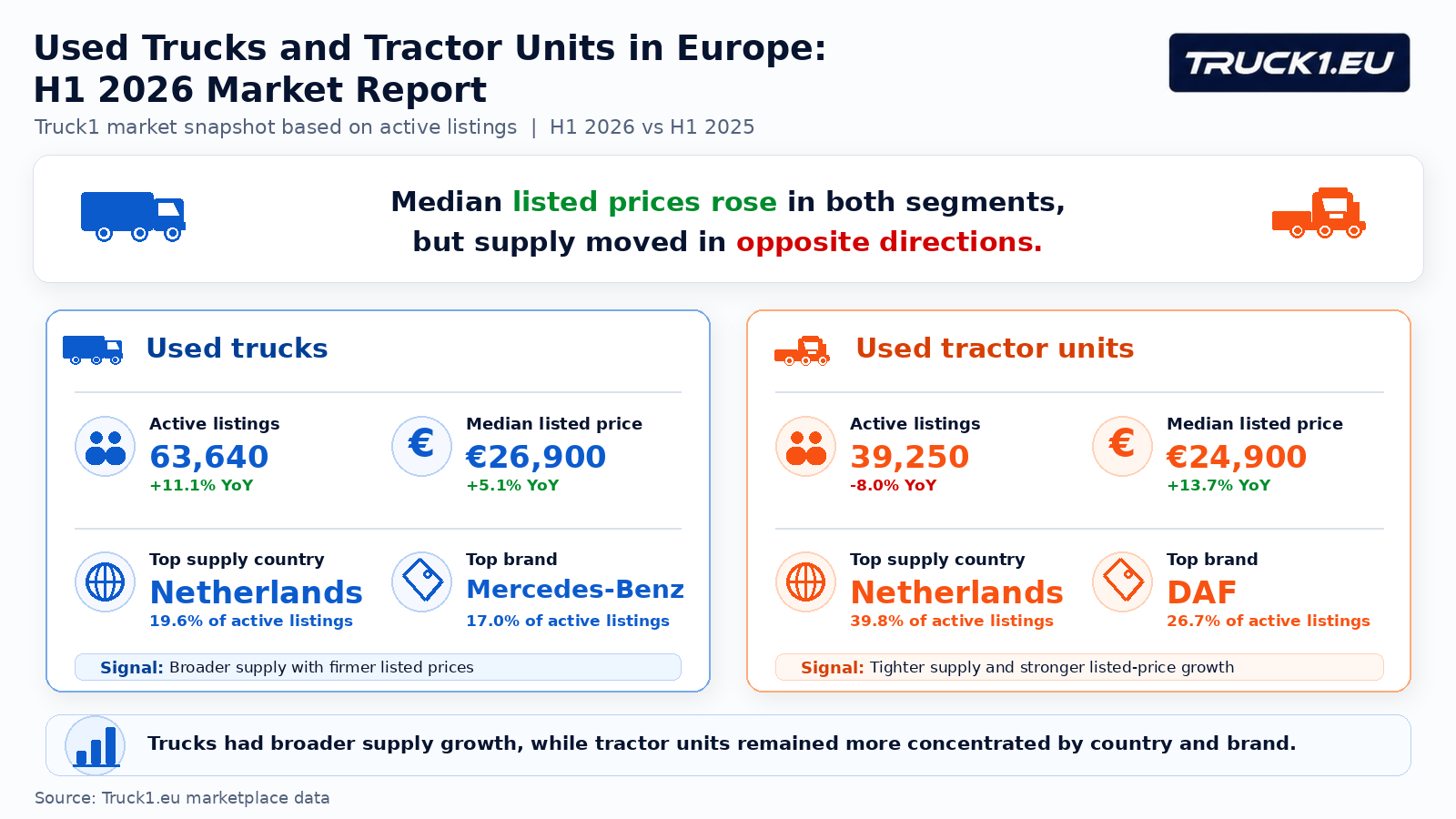
According to Truck1’s H1 2026 analysis of the European used truck market, the marketplace analysed 102,890 used truck and tractor unit listings that were active for at least one day between 1 January and 30 June 2026. The total included:
- 63,640 used truck listings;
- 39,250 used tractor unit listings.
During the same period in 2025, Truck1 recorded 99,960 listings across the two categories. The combined volume of offers therefore increased by approximately 2.9% year on year.
These figures represent vehicles advertised during the six-month period rather than completed transactions or the number of vehicles available simultaneously.
More than 100,000 individual offers were active on Truck1 for at least part of the reporting period, slightly more than a year earlier. While listing volume does not measure demand or completed sales, it demonstrates the continuing scale of Europe’s secondary commercial vehicle market.
The used market remains part of fleet renewal
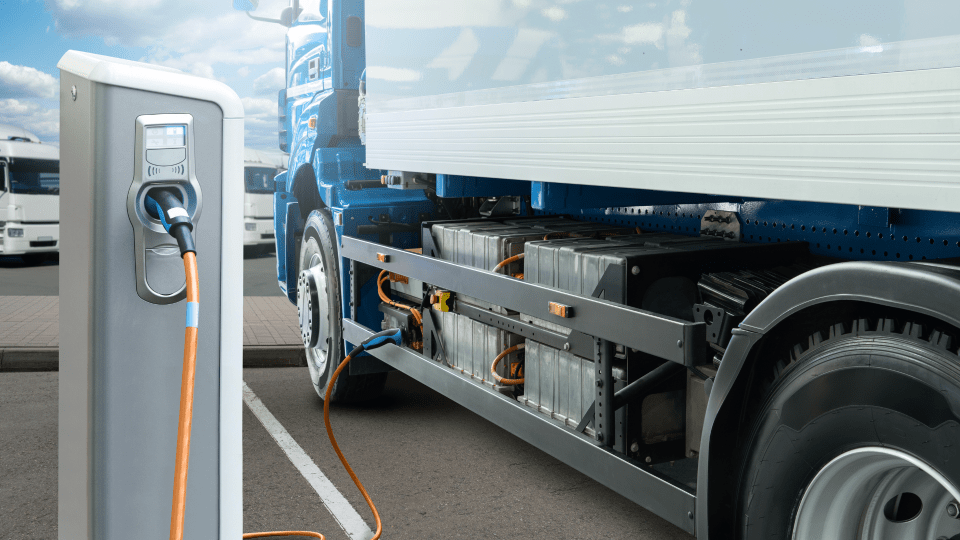
Replacing Europe’s operating truck fleet entirely with factory-new zero-emission vehicles is not financially or operationally possible in the short term. Electric trucks are already suitable for a growing range of applications, particularly where routes are predictable and charging can be planned in advance. Adoption is still influenced by vehicle cost, charging availability, grid capacity, payload requirements, daily mileage and depot schedules.
Transport operators are therefore moving towards electrification at different speeds. Some can introduce electric vehicles on selected routes while continuing to operate relatively young conventional trucks elsewhere. Others may first replace their oldest vehicles with more recent used models and invest in zero-emission vehicles later.
The secondary market supports this gradual process by giving operators access to vehicles of different ages, specifications and price levels. Its role is not to replace electrification, but to provide practical fleet-replacement options while zero-emission technology and infrastructure become suitable for a wider range of operations.
Fleet renewal remains capital-intensive
Median listed prices increased in both categories covered by the Truck1 analysis. For used trucks, the median advertised price rose from €25,600 in H1 2025 to €26,900 in H1 2026. For tractor units, it increased from €21,900 to €24,900.
Because the categories contain different vehicle types, bodies and specifications, the figures should not be combined into a single market-wide median. They also represent advertised prices rather than confirmed transaction values.
Nevertheless, the direction was consistent across both segments. Used commercial vehicles continue to represent substantial economic assets even after several years of operation.
The increase may reflect inflation or changes in the age, specification and composition of available stock. It should not be interpreted as direct proof of stronger demand, but it does show that access to the used market does not necessarily make fleet renewal inexpensive.
Operators that are not yet ready to purchase new zero-emission vehicles still require significant capital to replace existing equipment. The financial challenge of the transition therefore extends beyond electric trucks and charging infrastructure to the cost of renewing the conventional part of the fleet.
Vehicles can serve several operating cycles
The median age of tractor units advertised on Truck1 in H1 2026 was eight years, with median mileage of 621,000 km. For used trucks, the median age was 11 years and median mileage was 376,000 km. Nevertheless, these figures cannot be compared directly with the average age of all trucks registered in the EU.
Together, however, the data illustrates an important feature of the commercial vehicle market: trucks often change ownership before reaching the end of their physical or economic life. A tractor unit previously used for intensive international transport may later move to regional routes with lower annual mileage. Specialist vehicles with expensive bodies or auxiliary equipment may remain useful for considerably longer than standard high-mileage trucks.
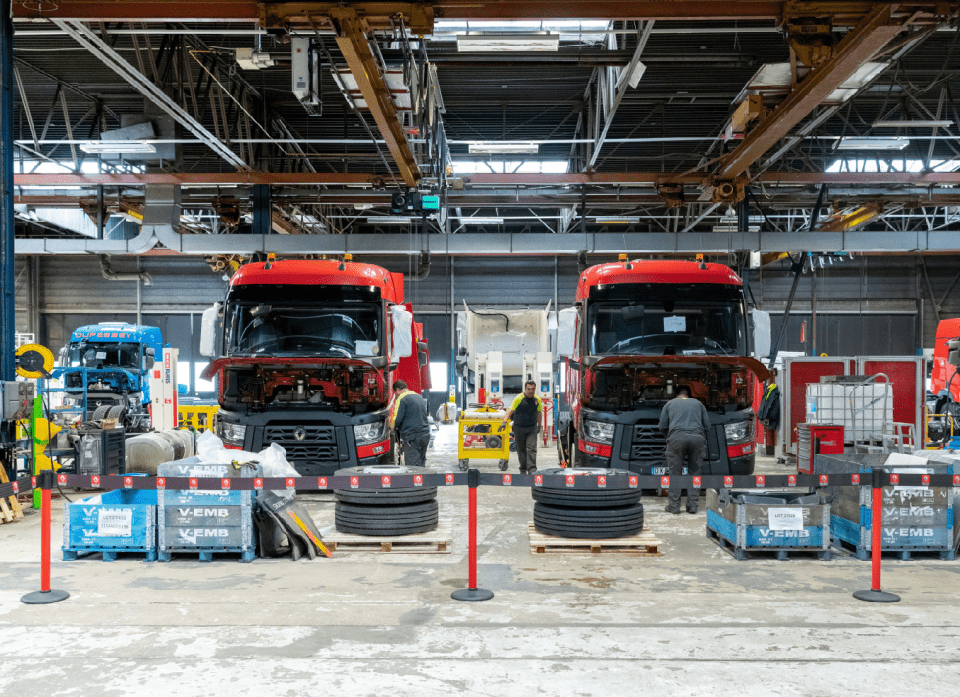
The suitability of a used vehicle cannot be judged by age alone. Buyers must also consider maintenance history, verified mileage, technical condition, emissions standard, previous operating conditions and intended future use.
Extending the service life of a well-maintained vehicle is not the same as keeping inefficient equipment in intensive operation for as long as possible. Truck1 data does not measure the direct environmental impact of an individual vehicle, but it does show that commercial vehicles can retain economic usefulness across several stages of their operating life.
Fleet renewal is a cross-border process
Used commercial vehicle supply is unevenly distributed across Europe. The Netherlands, Germany and Belgium were among the leading supply countries in both categories. The Netherlands alone accounted for 39.8% of used tractor unit listings and 19.6% of used truck listings on Truck1 in H1 2026.
This concentration matters because the vehicle required by an operator may not be widely available in its domestic market.
Commercial vehicle requirements are often highly specific. Buyers may need a particular body type, axle configuration, wheelbase, payload, cab, emissions standard or mileage range. Searching across several countries expands the comparison set and improves the chances of finding a vehicle suited to the intended work.
Cross-border purchases also involve transport costs, registration procedures, documentation, technical inspections, taxation and differences between national specifications. Digital marketplaces help by making fragmented national inventories visible in one place and allowing specialised vehicles to be matched with operators whose local markets may not offer the required configuration.
The next stage: a secondary market for electric trucks
As registrations of new electric trucks grow, the first significant volumes of these vehicles will eventually reach the secondary market. Some will be sold after leasing contracts end. Others will be replaced by large operators as battery technology, range and charging performance improve. These vehicles could make electrification more accessible to smaller companies operating predictable urban or regional routes.
However, used electric truck listings will require more detailed information than conventional vehicle offers. Buyers will need reliable data on:
- battery state of health and usable capacity;
- remaining battery warranty;
- charging history and performance;
- real-world range;
- battery repair or replacement history.
Battery condition will influence vehicle value, financing options and suitability for the next operating cycle. Digital marketplaces will therefore need to standardise and display these parameters so that buyers can compare electric vehicles with the confidence they currently expect when assessing the mileage, technical condition and service history of conventional trucks.
The reach and search infrastructure of cross-border marketplaces can support this future market, but vehicle data will need to evolve alongside the technology.
A large secondary market will remain part of the transition
Truck1 data from H1 2026 highlights three characteristics of Europe’s used commercial vehicle market.
- First, the overall volume of supply remains large and increased moderately year on year. Truck1 recorded 102,890 used truck and tractor unit offers, approximately 2.9% more than during the same period in 2025.
- Second, fleet renewal remains capital-intensive. Median listed prices increased in both categories, showing that operators still need substantial capital to replace existing equipment.
- Third, the market is strongly cross-border. Supply is concentrated in several countries, while operators often need specialised vehicles that may not be available locally.
These findings show that Europe’s fleet transition is taking place within a large, ageing and economically valuable vehicle population. Operators will continue to use the secondary market to replace equipment, manage investment constraints and find vehicles suited to their current transport requirements. New zero-emission vehicles will define the technological future of road freight. The used commercial vehicle market will help determine how European fleets move towards that future.
The analysis includes listings that were active on Truck1 for at least one day during the relevant reporting period. The data reflects the volume, prices and structure of online supply rather than completed transactions or the entire European market.