
“Let’s keep ambitious plans”. The H2Accelerate consortium pushes the EU not to give up on hydrogen
“AFIR is a cornerstone policy for the development of Europe’s zero-emission trucking ecosystem. Maintaining its current ambition reinforces the regulatory certainty needed to unlock investment in hydrogen refuelling infrastructure, support vehicle deployment, and give fleet operators the confidence to transition to zero-emission trucks", stated Hannah Bryson-Jones, Spokesperson for the H2Accelerate collaboration.
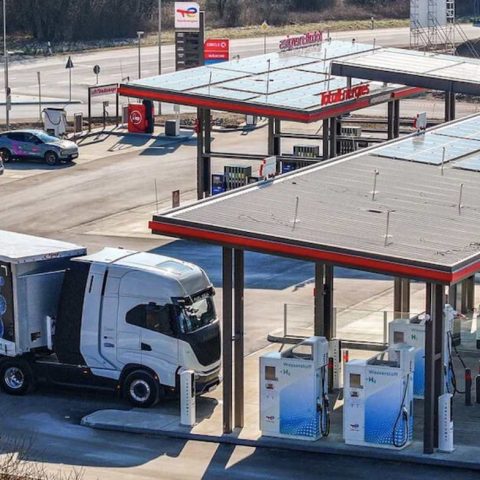
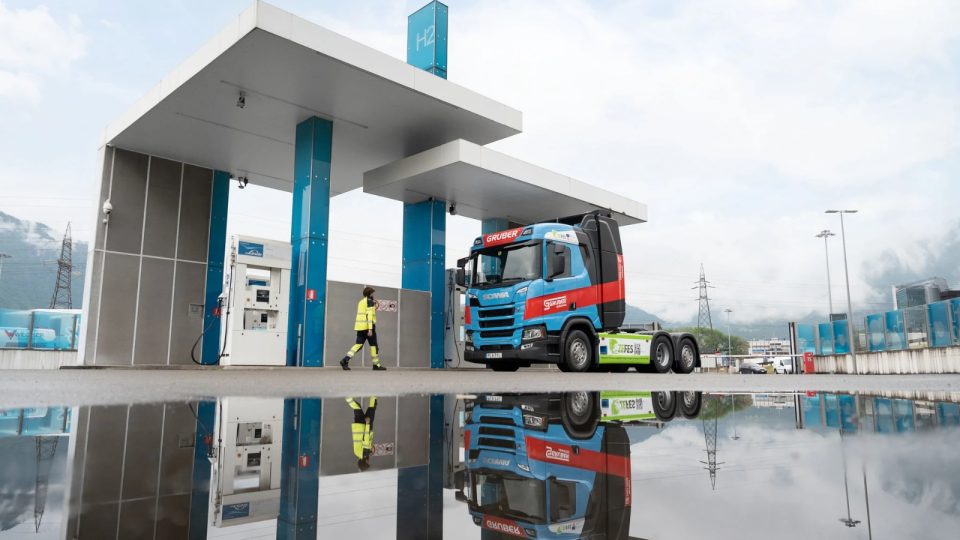
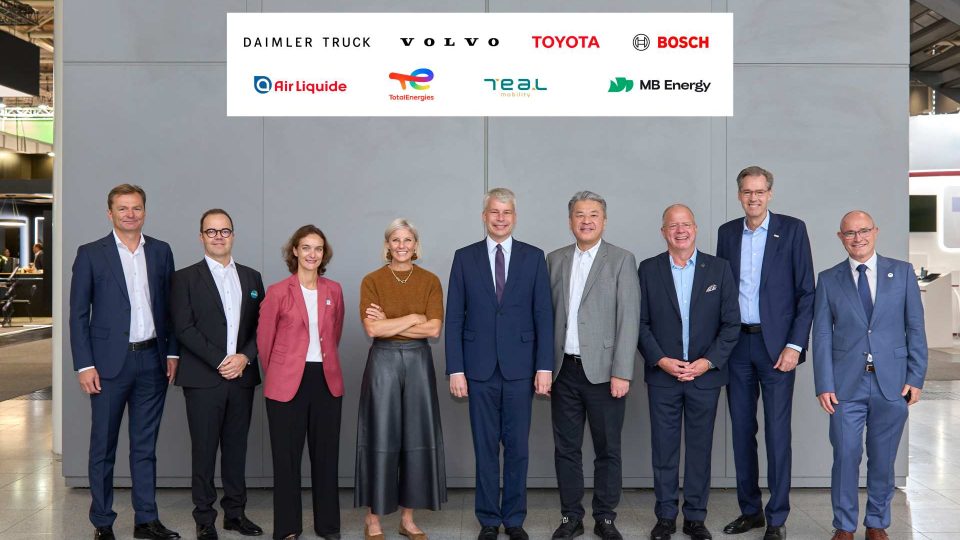
The H2Accelerate consortium has published a new position statement calling on the European Commission to maintain its ambition for hydrogen refuelling station deployment in the upcoming review of the Alternative Fuel Infrastructure Regulation (AFIR). The latter is expected to be reviewed by the end of this year. AFIR is the key EU policy mandating Member States to deliver the network and provides a common timeline for investment and deployment across the hydrogen trucking value chain.
According to H2Accelerate, the decarbonisation of Europe’s road freight sector should be delivered through a combined battery-electric and hydrogen-powered solution. The consortium states that AFIR is “already seeing success in driving infrastructure deployment in certain Member States”. The virtuous example comes from the Netherlands, where “subsidy for hydrogen in mobility, SWiM, has supported the coordinated rollout of trucks and infrastructure, enabling early investments in stations while limiting the risk of underutilisation”.
Hydrogen plans in the EU: some success stories according to H2Accelerate
Following the success of SWiM, the German Federal Ministry for Transport implemented, in January 2026, a €220 million SWiM-like joint hydrogen refuelling station and truck subsidy scheme to deliver on its AFIR-mandated network. “Maintaining AFIR’s existing targets for zero-emission refuelling infrastructure is essential to provide regulatory certainty and help to secure investor confidence. At a minimum, the current level of ambition must be maintained, while targeted adaptations are recommended to ensure hydrogen refuelling infrastructure is better aligned with the operational needs of heavy-duty vehicles”, adds H2Accelerate.
“AFIR is a cornerstone policy for the development of Europe’s zero-emission trucking ecosystem. Maintaining its current ambition reinforces the regulatory certainty needed to unlock investment in hydrogen refuelling infrastructure, support vehicle deployment, and give fleet operators the confidence to transition to zero-emission trucks”, stated Hannah Bryson-Jones, Spokesperson for the H2Accelerate collaboration. “With the right policy framework in place, Europe can build a reliable, interoperable refuelling network and remain on track towards a competitive, decarbonised road freight system.”
In short, these are the keypoints mentioned by the collaboration in their position paper addressed to the EU:
- Maintain mandatory targets for Member States on alternative fuel infrastructure deployment, in particular for hydrogen refuelling station deployment in urban nodes and along the core TEN-T network.
- Support Member States to put in place effective schemes to stimulate the deployment of AFIR-compliant infrastructure.
- Implement targeted adaptations to Article 6 to better align minimum hydrogen refuelling station requirements with the operational needs of the heavy-duty trucking sector, as identified by the Sustainable Transport Forum Hydrogen Sub-Group in 2025.