
South Korea plans mandatory CO₂ cuts for heavy-duty vehicles from 2027
The proposed rules would require manufacturers to reduce average greenhouse gas emissions from medium- and heavy-duty commercial vehicles by 30% by 2030, while supporting electric and hydrogen-powered models.
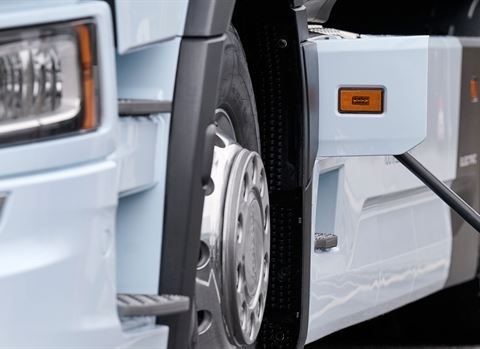
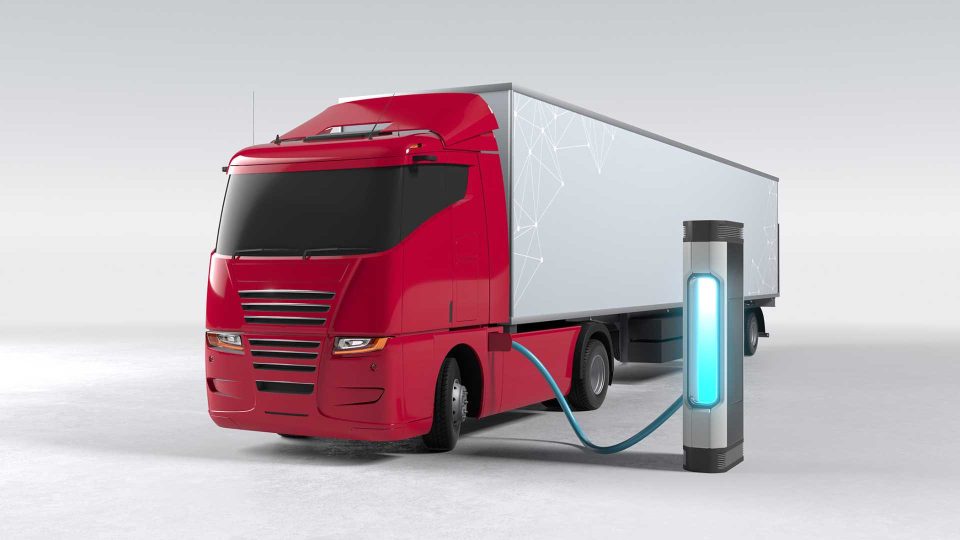
South Korea is preparing to introduce mandatory greenhouse gas reduction targets for medium- and heavy-duty commercial vehicles, in a move intended to accelerate the deployment of electric and hydrogen-powered trucks and buses. As first reported by Electrive, the proposed requirements would be introduced gradually between 2027 and 2030. Heavy trucks and tractor units weighing more than 15 tonnes would be covered first, followed by buses, medium-duty trucks and dump trucks.
Manufacturers would be required to reduce average greenhouse gas emissions from the affected vehicle categories by 30% by 2030, compared with average levels recorded in 2021 and 2022. Financial penalties are also planned for companies that fail to meet the targets, with the system expected to become fully mandatory from 2031.
Incentives for electric and hydrogen trucks
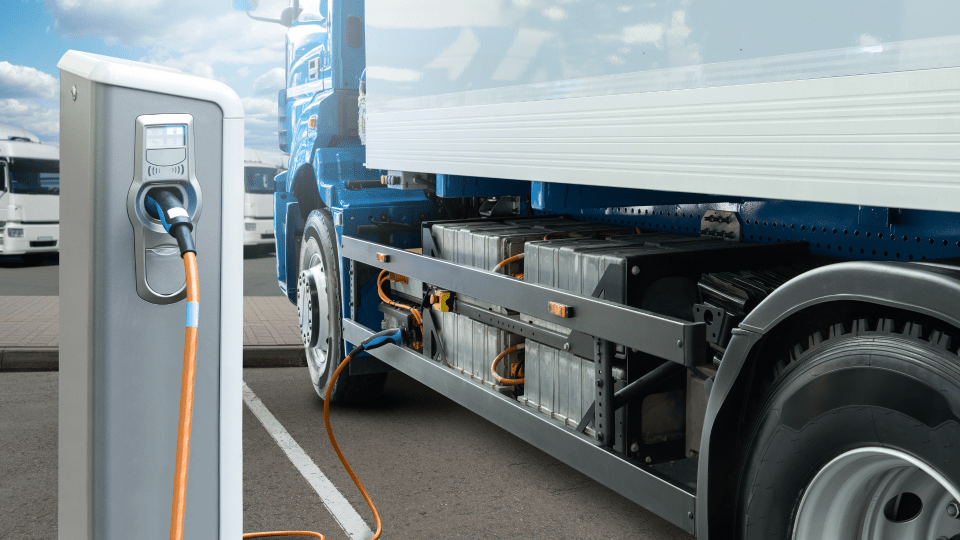
The government plans to retain super credits for battery-electric and hydrogen fuel cell vehicles, allowing zero-emission models to carry additional weight in manufacturers’ compliance calculations.
Credits would also be introduced for vehicles powered by hydrogen internal combustion engines. Although the proposal does not set direct sales quotas for electric trucks, it would make low- and zero-emission models increasingly important for manufacturers seeking to meet fleet-wide targets.
Renewable energy in vehicle production
The draft framework also includes a pilot measure addressing emissions generated during manufacturing. Companies using or producing renewable electricity at their domestic plants could offset up to 5% of their annual emissions obligations. This provision would extend the regulatory focus beyond vehicle use, introducing an initial manufacturing-related element into South Korea’s decarbonisation policy.
The proposals are open for public consultation until 14 September 2026. Once the consultation is completed, the Ministry of Climate, Energy and Environment is expected to finalise the revised rules. For the heavy-duty sector, the main change is clear: emissions reductions would no longer rely primarily on voluntary targets and incentives. They would become a binding part of manufacturers’ product strategies, strengthening the role of electric and hydrogen trucks in one of Asia’s most important automotive markets.