
Charging infrastructure is growing faster than EV sales across Europe, T&E analysis finds
Europe’s public charging network is expanding faster than the electric vehicle market in almost every EU country, according to a new Transport & Environment analysis. The findings challenge one of the most common arguments against electrification, suggesting that infrastructure is increasingly ahead of demand rather than lagging behind.
A new analysis by Transport & Environment (T&E) suggests that the expansion of public charging infrastructure has outpaced the growth of battery-electric vehicle (BEV) sales in nearly every EU member state, undermining the long-standing perception that charging availability is the main barrier to EV adoption. Of course, we’re talking about electric vehicles in general.
According to the study, all but one EU country have increased their public charging networks at a faster rate than the growth in electric car sales over recent years. The result is an improving charger-to-vehicle ratio, indicating that infrastructure investments are running ahead of demand rather than struggling to keep pace.
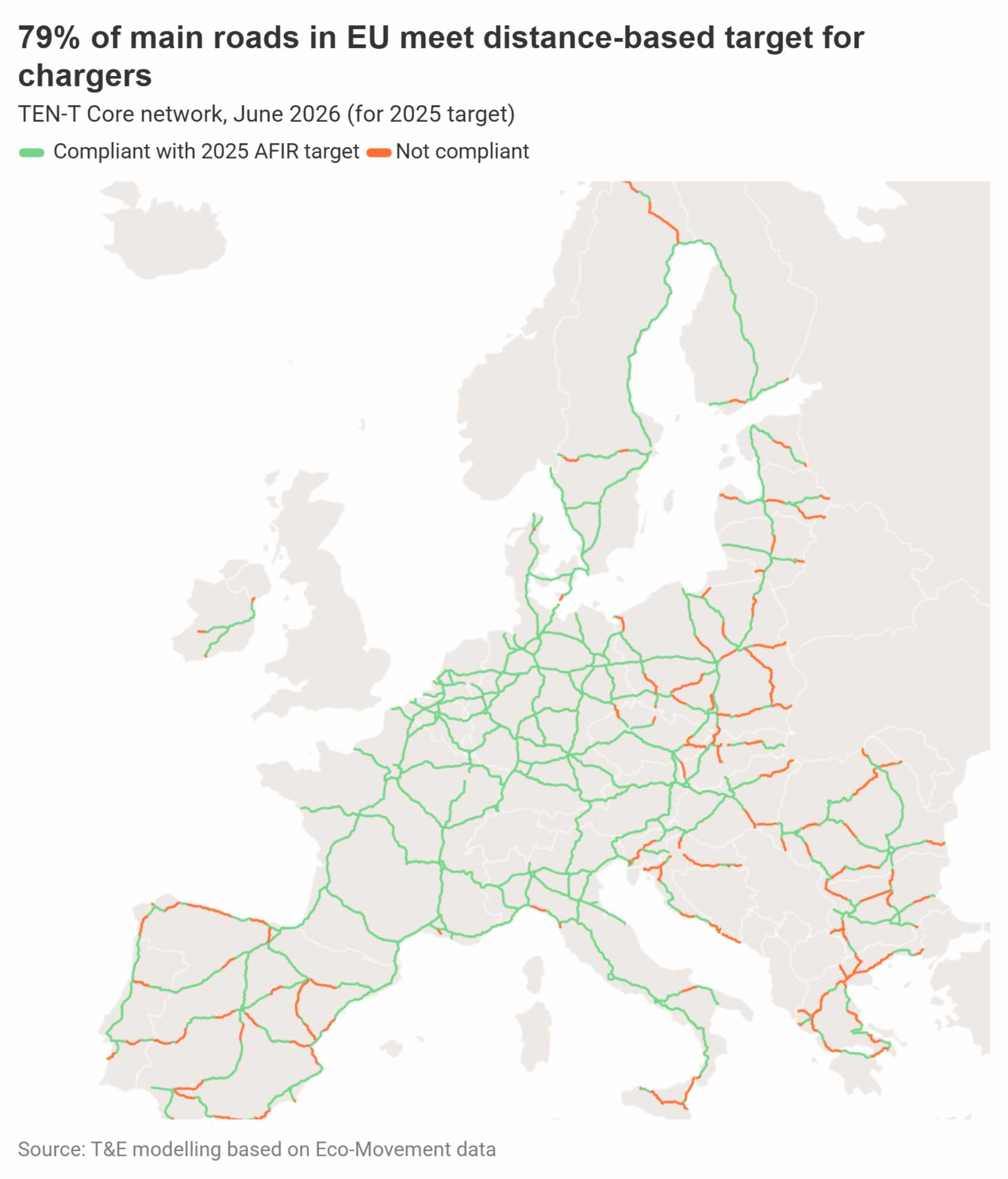
Charging infrastructure travelling at different speed in Europe
The analysis highlights substantial progress in countries including Belgium, the Netherlands, France and Germany, where public and private investments have accelerated the deployment of charging stations. The report also points to continued expansion of high-power charging infrastructure along major transport corridors, supported by the EU’s Alternative Fuels Infrastructure Regulation (AFIR).
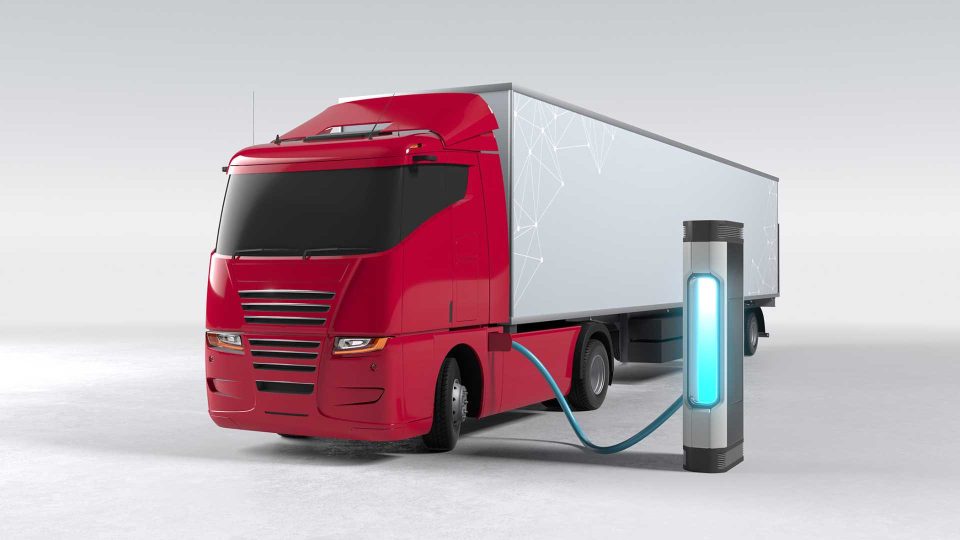
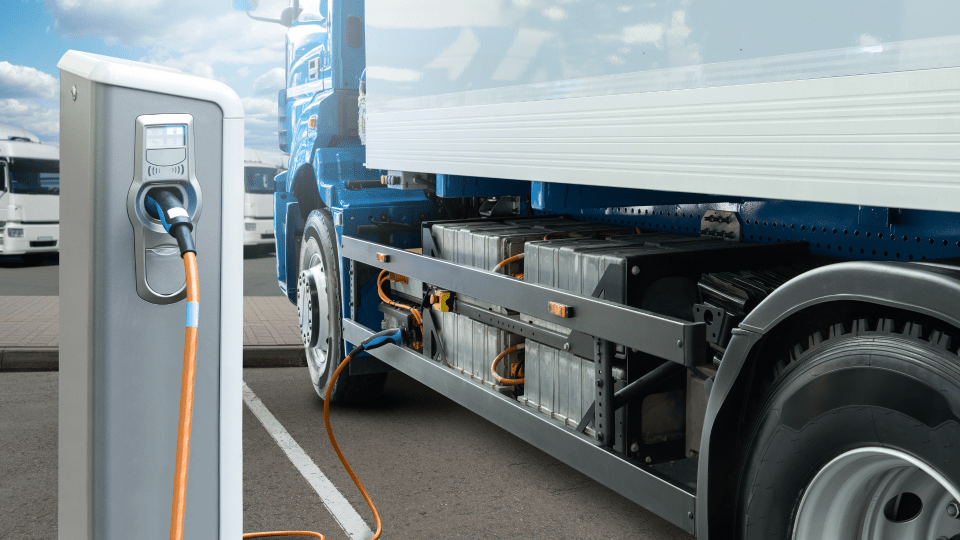
For the commercial vehicle sector, the findings are particularly significant. The availability of high-capacity charging infrastructure is widely regarded as one of the key prerequisites for the large-scale deployment of battery-electric trucks and vans. While dedicated truck charging still requires substantial investment, the broader expansion of Europe’s charging network provides a stronger foundation for fleet electrification.
The position of T&E
T&E argues that the debate should increasingly shift from whether charging infrastructure is keeping up with vehicle sales to how policymakers can sustain both infrastructure rollout and EV demand. As battery-electric vehicle registrations continue to grow across Europe, ensuring that charging deployment remains ahead of the market could help remove one of the industry’s most persistent concerns.
The study reinforces a broader trend emerging across the European zero-emission transport sector: infrastructure is no longer simply reacting to vehicle uptake but is becoming an enabling factor for the next phase of electrification, including heavy-duty transport and commercial fleets.