
Hydrogen truck rental company Hylane adds 32 Hyundai XCIENT vehicles to its fleet
Hylane had recently revealed the purchase of 78 hydrogen powered trucks. We knew that 26 of them were provided by IVECO, now we know that 32 are Hyundai vehicles. Hylane won't reveal the supplier of the other 20 hydrogen trucks that will be part of its fleet.
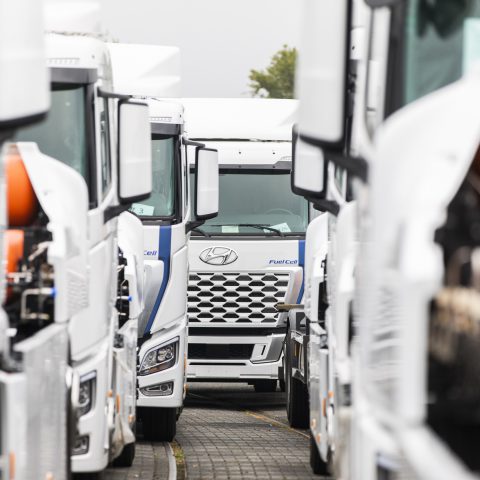
Hylane, a hydrogen truck rental company based in Germany, added 32 Hyundai XCIENT vehicles to its zero-emission fleet. Hylane has recently purchased 78 hydrogen trucks, 26 of them provided by IVECO. The Hyundai XCIENT trucks are indeed part of this agreement, so now we know the manufacturers of 58 trucks out of 78. First deliveries are expected in the first half of 2024.
Statements on hydrogen truck supply agreement
“Together with Hyundai, we have been able to help make hydrogen mobility a reality in Germany,” declared Sara Schiffer, Managing Director of Hylane. “They have proven to be a convincing option thanks to their reliability and pleasant driving experience. They not only enable our users to make their transportation more environmentally friendly, but also offer them the opportunity to gain valuable experience with this promising technology at an early stage.” Hyundai and Hylane have been collaborating for quite a long time now.
“Hylane and its customers confirm with this new order that they recognize the importance of hydrogen mobility for the future of heavy transport. This spurs our entire team on to further develop this pioneering technology. One example of this is the new swap body, which once again significantly expands the possible uses of hydrogen trucks”, added Beat Hirschi, Managing Director of Hyundai Hydrogen Mobility.