
Connecting Worlds: how JOST brings different working worlds together
From long-haul transport and urban mobility to construction and mining, commercial vehicles operate in very different environments but increasingly face common challenges. Through its Connecting Worlds philosophy, JOST brings together technologies and expertise across its brands to address electrification, automation, safety and efficiency throughout the commercial vehicle ecosystem.
Commercial vehicles rarely live in just one world. A truck may spend its working life moving freight between logistics hubs, operating on a construction site, collecting waste in a city or carrying extreme loads in a mine. The requirements change dramatically from one application to another, but many of the forces reshaping these sectors are increasingly the same.
Electrification, automation and digitalisation are changing vehicle architectures and daily operations across the commercial vehicle industry. At the same time, operators are under pressure to improve safety, reduce downtime and total cost of ownership, and make increasingly complex vehicles easier to operate.
This is the idea behind Connecting Worlds, the philosophy JOST is bringing to IAA Transportation 2026. Rather than looking at individual components in isolation, the company is bringing together technologies and expertise from across JOST World to address the different environments in which commercial vehicles work.
The concept takes shape across four working worlds: Transport & Logistics, City, Construction and Mining.
Transport & Logistics: connecting truck and trailer
Transport is perhaps the most familiar JOST world, but it is also changing rapidly. Electrified powertrains, increasingly automated functions and connected systems are placing new demands not only on trucks but on the entire truck-and-trailer combination.
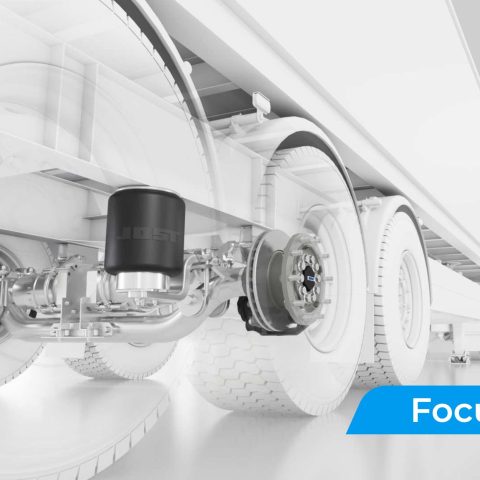
Here, the portfolio stretches from fifth wheels, coupling and towing systems to axles, suspensions and steering technologies. The common objective is to improve safety and uptime while making everyday operations simpler for drivers and fleets.
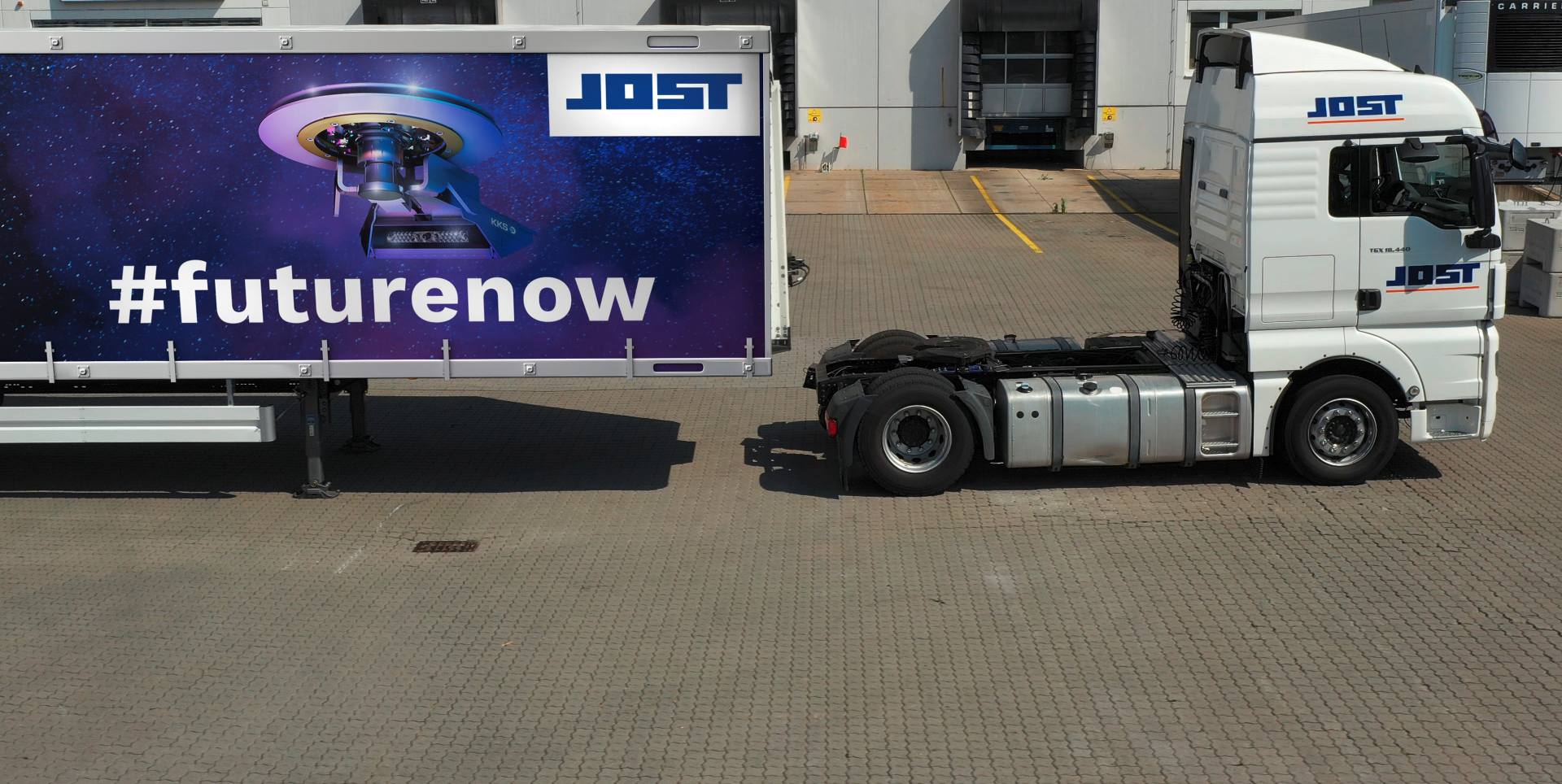
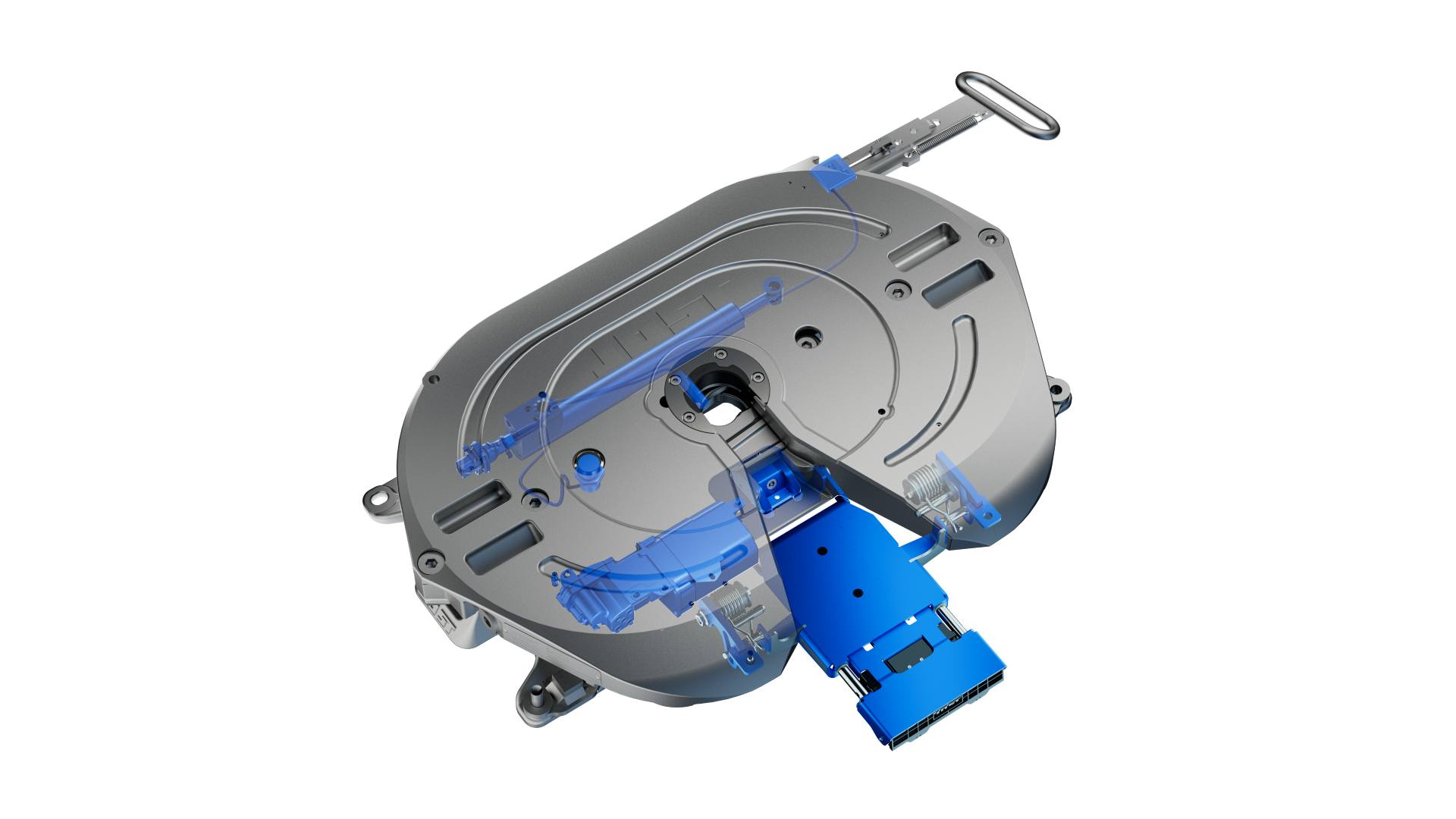
Automatic coupling is one example. The JOST KKS Automatic Coupling System, combined with King Pin Finder camera guidance, turns coupling into a controlled, sensor-guided process, while the retrofittable KKS-U Connector extends automatic functionality to trailers already in operation.
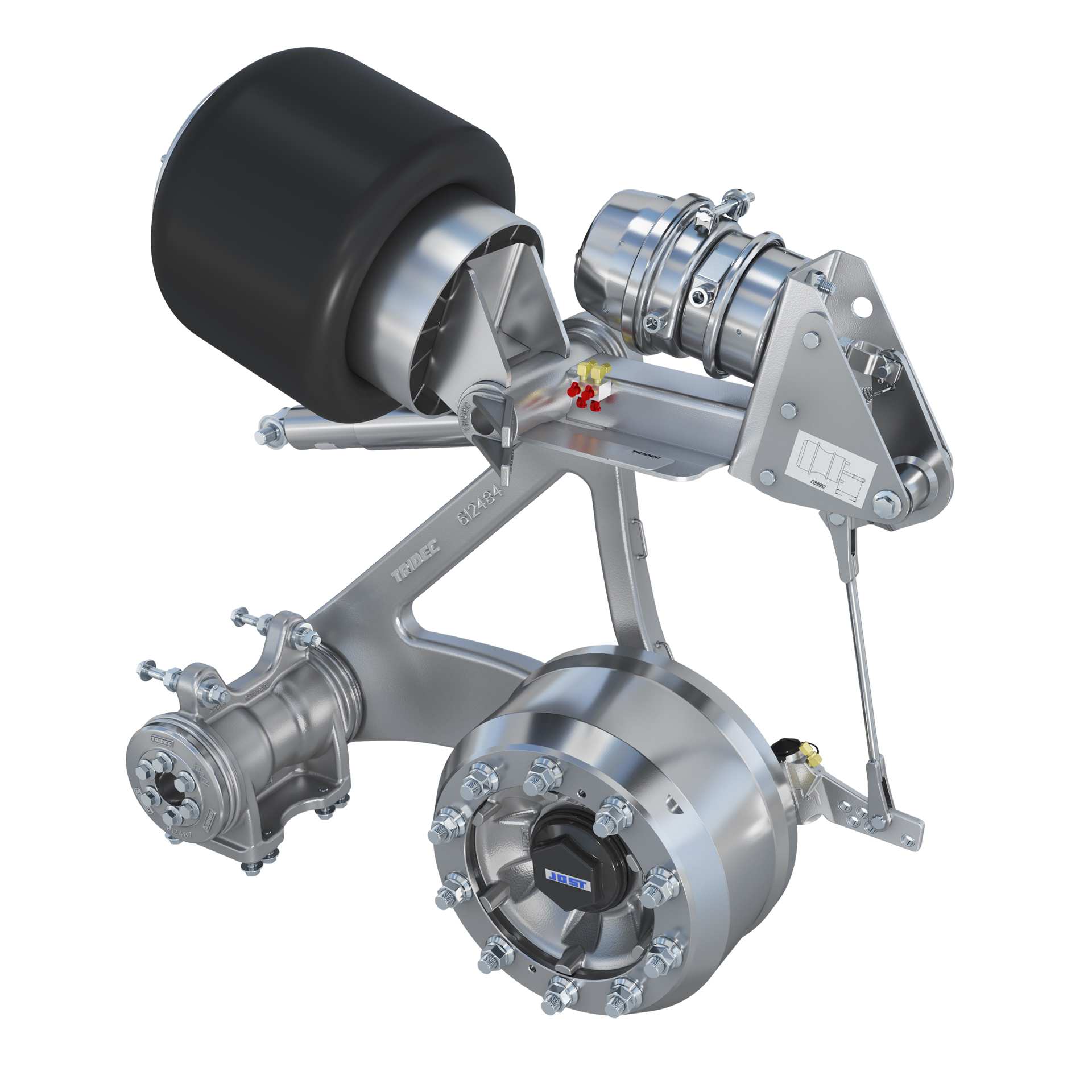
Modularity is another recurring theme. JOST ADDTRONIC allows fifth-wheel functionality to be expanded over time, while the NEW ROCKINGER applies a modular architecture to towing technology. On the trailer side, DCA One4All combines disc- and drum-brake variants on a common axle architecture, while TRIDEC TP-O addresses low-loader, heavy-haul and specialised applications.
City: precision where space is limited
Move into the city and the priorities change. Commercial vehicles and buses have to negotiate narrow streets, vulnerable road users and increasingly stringent requirements for noise and emissions, while maintaining the uptime expected from services that often operate to fixed schedules.
This is where the breadth of JOST World becomes particularly visible. BusLink, for example, is an articulation system designed to allow high-capacity buses to negotiate demanding urban infrastructure. TRIDEC steering systems provide another answer to manoeuvrability, while the ROCKINGER VARIOBLOC offers a compact modular coupling solution for different urban vehicle configurations.
And through Hyva, the same portfolio reaches waste collection and compaction – another highly specialised commercial vehicle application where reliability and route productivity are essential.
Construction: hydraulics meet electrification
Construction takes the vehicle into another world entirely. Payload, dust, vibration and intensive duty cycles put the emphasis on robustness and uptime, while electrification is beginning to change the architecture of working vehicles as well.
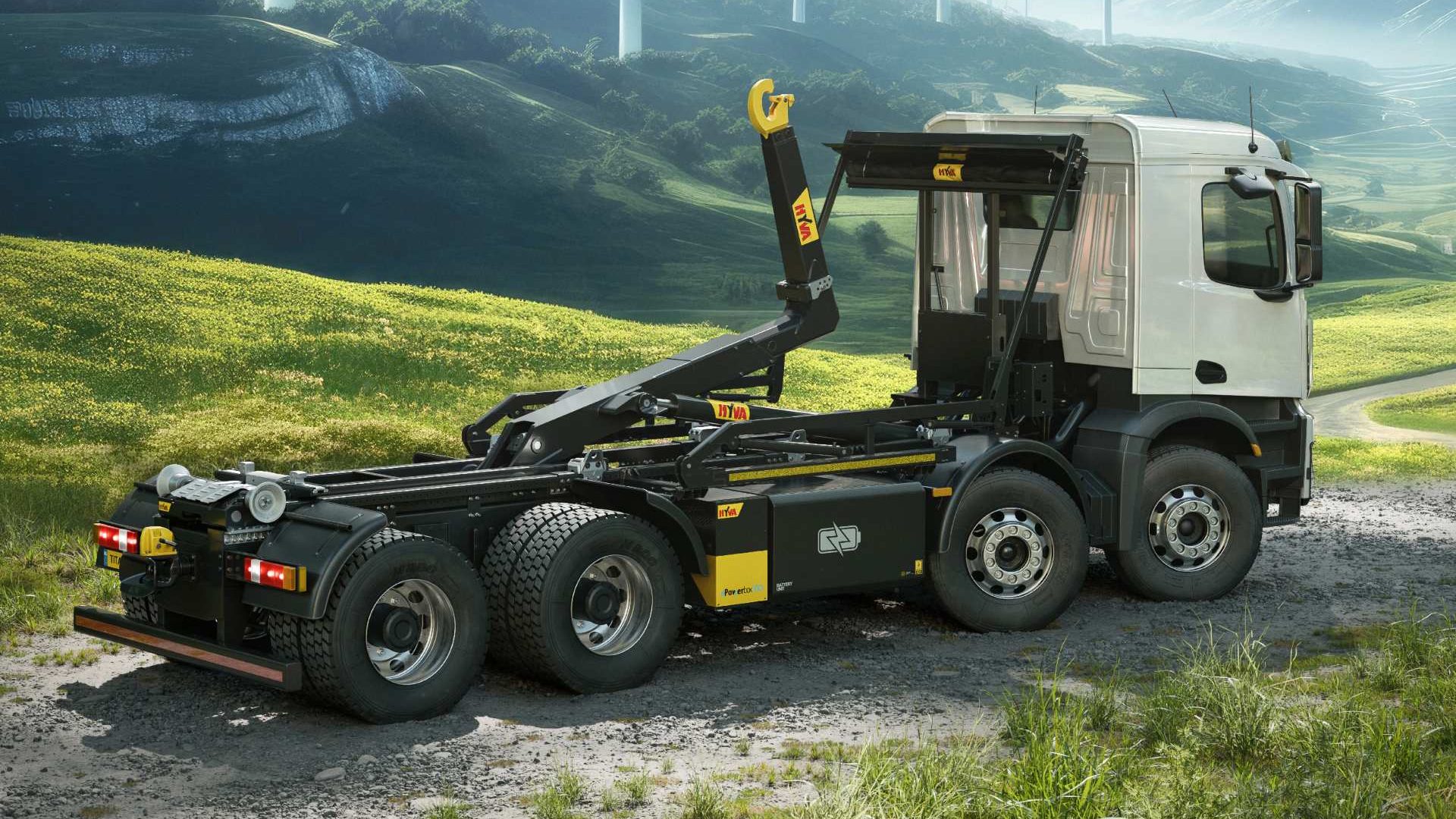
Following Hyva’s integration into JOST World, hydraulic systems have become an important part of this broader picture. Hyva’s portfolio includes hydraulic cylinders, tipping systems and hook loaders, with solutions ranging from the NOVA Cylinder FE to the Fast Fit Cradle Kit.
Electrification creates another connection between the different worlds. The Hyva ePTO wet kit with BEV Tank enables tipping and lifting functions on battery-electric trucks without relying on an engine-driven PTO. In other words, electrifying the drivetrain does not mean giving up the working capability expected from the vehicle.
Mining: when reliability becomes critical
At the far end of the spectrum is mining, where vehicles face extreme payloads, harsh terrain and continuous operation, often far from conventional service infrastructure.
Here, reliability has consequences that go well beyond the individual component: an unplanned stop can affect an entire extraction operation. JOST therefore extends its portfolio into systems specifically engineered for severe off-road duty cycles.
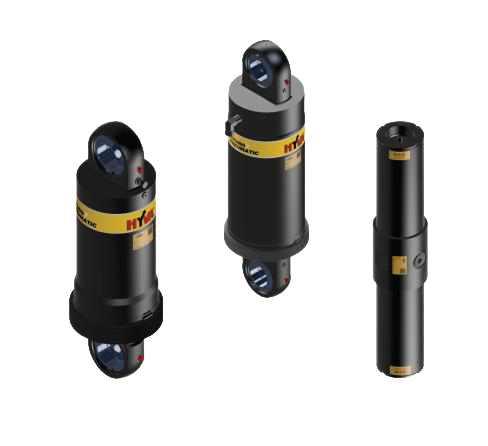
The Hyva Hydro Pneumatic Suspension (HPS) Series, developed for wide-body mining trucks, is designed to absorb severe shocks and vibrations while improving vehicle stability and operator comfort. For heavy tipping applications, the Hyva USE Mining Cylinder addresses mining trucks with gross vehicle weights of 130 tonnes and above.
Different worlds, common technologies
What connects these environments is therefore not a single product. It is the fact that many of the same technological shifts are reaching all of them.
JOST identifies electrification, automation and driver assistance as three trends cutting across applications. Its responses range from the 48 V E-Axle and electric Modul E Drive landing gear to Hyva’s ePTO, while automation extends to KKS and remotely controlled container locks.
Digitalisation increasingly provides another layer connecting them. JOST’s approach brings data from connected products, fleet systems and OEMs into a scalable platform, including applications such as Hyva Digital Tipping Solution, ePTO and KKS. The aim is to turn individual components into sources of information that can support safer operations and better fleet decisions.
This is ultimately what Connecting Worlds is intended to represent: not simply a broader product catalogue, but the ability to transfer technologies and expertise between different applications – from the motorway to the city, and from the construction site to the mine.