
CATL unveils dual-battery system for electric trucks, combining swapping and range extension
Chinese battery manufacturer CATL has introduced a new dual-battery solution for heavy-duty electric trucks, combining a swappable main battery with a permanently installed 77 kWh auxiliary pack. The technology is designed to increase usable battery capacity, improve operational flexibility and support the expansion of battery swapping in road freight transport.
CATL has unveiled a new dual-electric range extension battery system for heavy-duty trucks, designed to improve the efficiency of battery-swapping operations and reduce operating costs.
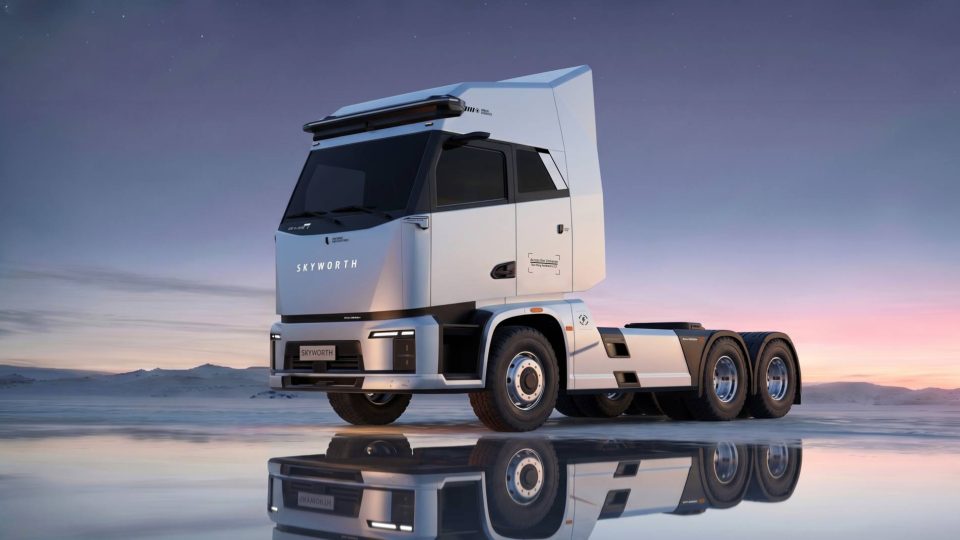
The solution combines two independent battery systems: a standardized, chassis-mounted main battery compatible with CATL‘s QIJI battery-swapping network, and a smaller, permanently installed battery positioned behind the cab.
The auxiliary battery has a capacity of 77 kWh and supports charging at up to 3C. Its main function is to provide backup power when the swappable battery approaches depletion.
How CATL’s dual-battery system works
According to CATL, drivers of conventional battery-swapping trucks often replace their batteries with approximately 30% of the energy still available, to avoid running out of charge before reaching a swapping station.
The new architecture is intended to increase the main battery’s usable depth of discharge from approximately 70% to more than 95%. When the main battery’s state of charge falls below 5%, the system automatically switches to the auxiliary battery within milliseconds, maintaining uninterrupted power delivery.
CATL calls this arrangement a “1+X” architecture: the main battery remains standardized for compatibility with swapping infrastructure, while the secondary battery can be adapted to specific operating conditions, including cold climates or high-power applications. The two systems can also be upgraded independently.
New QIJI batteries offer up to 513 kWh
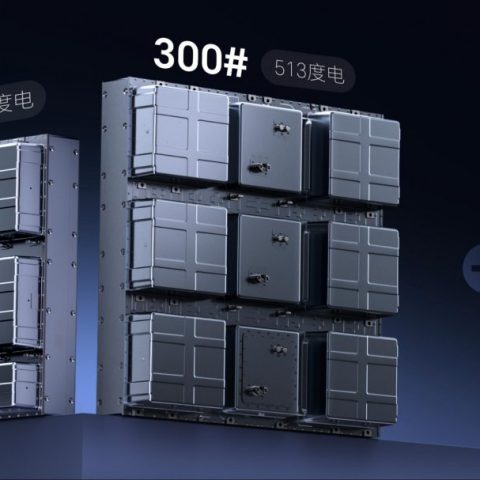
Alongside the dual-battery architecture, CATL has introduced two new standardized battery-swapping blocks for heavy-duty trucks: the 260# with 432 kWh and the 300# with 513 kWh. Combined with the 77 kWh auxiliary battery, these configurations provide total installed capacities of 509 kWh and 590 kWh, respectively.
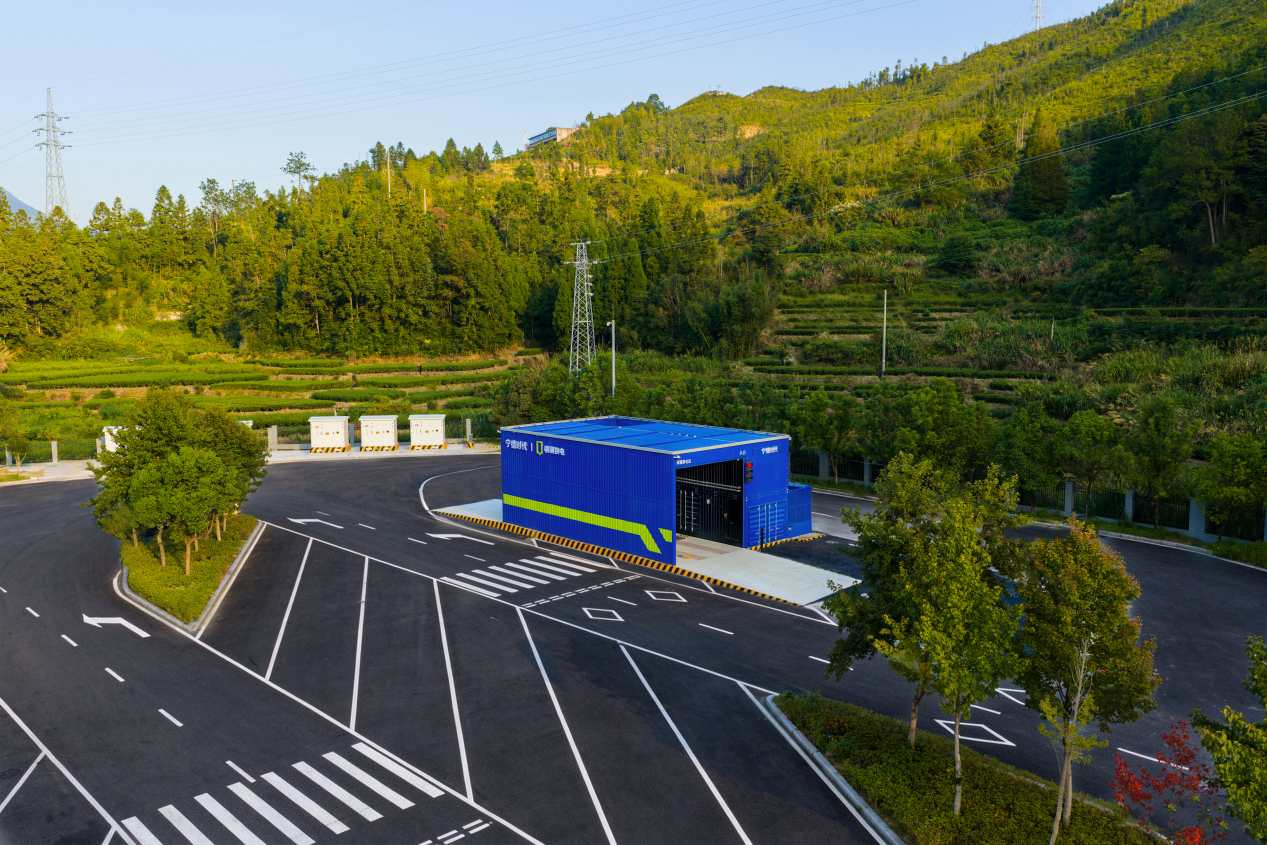
CATL says its QIJI swapping technology can replace a truck’s main battery in approximately five minutes. The company is also developing flexible battery leasing models. While the auxiliary battery remains with the vehicle, the main battery can be leased according to transport demand, potentially reducing costs during periods of lower activity.
CATL plans 2,000 truck battery-swapping stations by 2027
The Chinese manufacturer aims to expand its heavy-duty battery-swapping network to 900 stations by the end of 2026, rising to 2,000 by 2027, with a longer-term target of 10,000 stations across China. CATL also announced agreements covering 13,000 units at the launch event.
The new technology is primarily intended for the Chinese market, where the company is developing its QIJI infrastructure. Its wider adoption will depend on the availability of compatible vehicles and a sufficiently extensive battery-swapping network.