

MAN unveils its 2030+ one billion investment plan for Germany and Eastern Europe
MAN has formalized a long-term restructuring and investment framework with its works council and IG Metall, positioning the manufacturer for what it describes as sustained competitiveness amid structural shifts in the commercial vehicle industry. By the end of 2030, MAN intends to invest almost one billion euros across its German locations. A central pillar of MAN2030+ is a targeted reduction of approximately €900 million in costs by 2028.
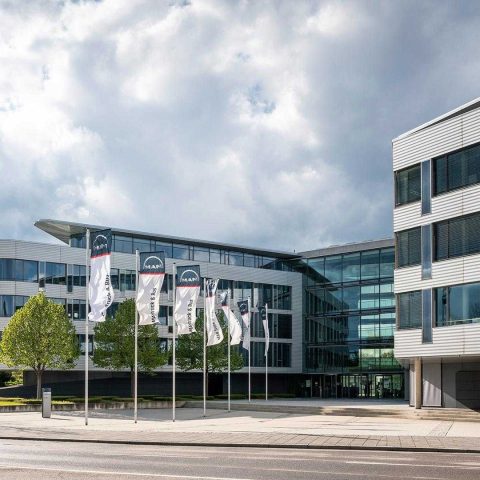
MAN Truck & Bus agreed with employee representatives on the MAN2030+ program. The latter secures all German production sites while planning nearly €1 billion in domestic investments alongside wide-ranging cost reductions.
Indeed, MAN has formalized a long-term restructuring and investment framework with its works council and IG Metall, positioning the manufacturer for what it describes as sustained competitiveness amid structural shifts in the commercial vehicle industry.
As pointed out by our sister magazine Sustainable Bus, the agreement, laid out in a jointly adopted key issues paper, defines the industrial, financial and workforce parameters of the “MAN2030+” program. The plan combines cost reductions of around €900 million by 2028 with substantial capital expenditure, while providing extended employment guarantees for German staff. It reflects the dual pressure currently facing European commercial vehicle manufacturers: the need to finance electrification and digitalization while preserving industrial capacity in high-cost locations.
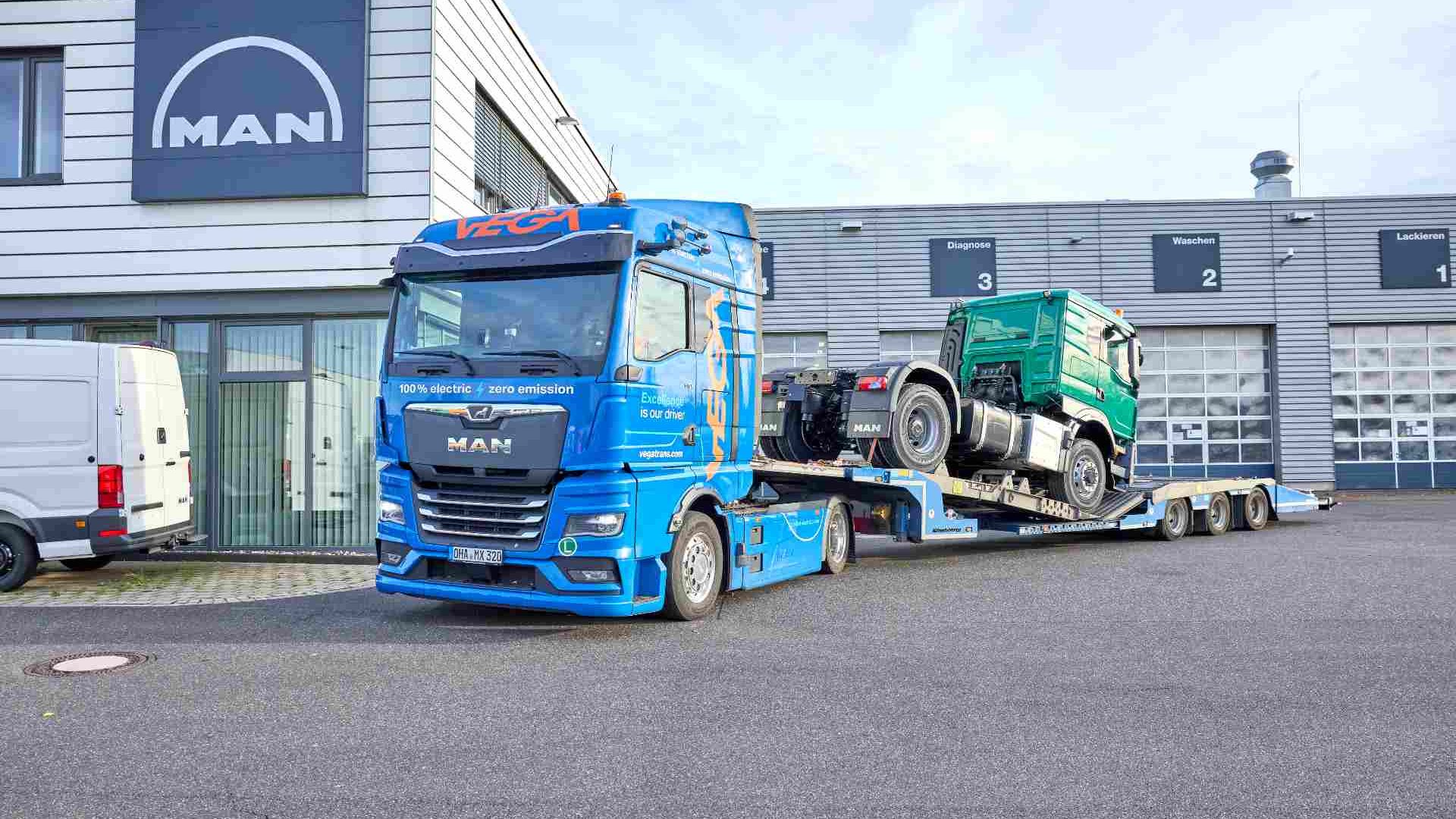
German sites secured through 2035 within MAN2030+
Under the agreement, all MAN production sites in Germany—Munich, Nuremberg, Salzgitter and Wittlich—are secured. By the end of 2030, MAN intends to invest almost one billion euros across these locations. Most of funds will be directed toward its Bavarian plants, the company states.
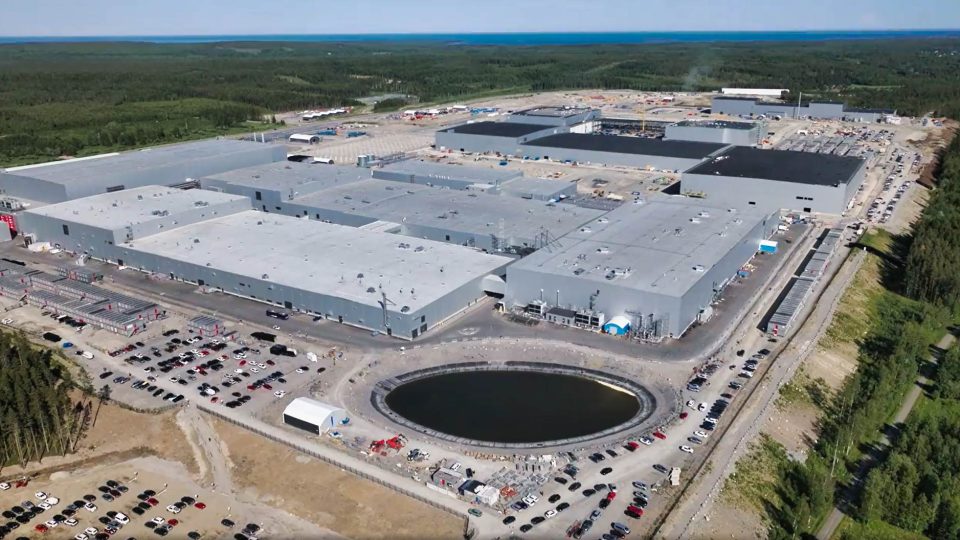
In parallel, the agreement acknowledges that future vehicle architectures within the TRATON Group will require additional investments outside Germany. New capital expenditure linked to the next generation of vehicles based on the TRATON Modular System (TMS), as well as the potential construction of a new battery factory, is planned for “Eastern Europe”, the group adds.
Cost reduction is paramount
A central pillar of MAN2030+ is a targeted reduction of approximately €900 million in costs by 2028. According to MAN, most of these savings will come from non-personnel-related measures, including material costs, overheads and improved sales performance. Nevertheless, workforce-related measures form part of the program and are subject to co-determination. MAN plans to adjust staffing level in German sites “over the next few years in line with demographic trends, making use of natural fluctuation”. Over a ten-year period, this approach is expected to result in a demographic reduction of around 2,300 positions—significantly fewer than the number of employees forecast to retire over the same timeframe.
Long-term job security and wage commitments
As part of the agreement, MAN has committed to job security for its German workforce until the end of 2035. This guarantee also applies to TRATON R&D Germany GmbH, where large parts of MAN’s development activities were consolidated last year. Subject to the company meeting defined earnings and sales targets—particularly in its core truck business—the job security commitment could be extended to 2040.
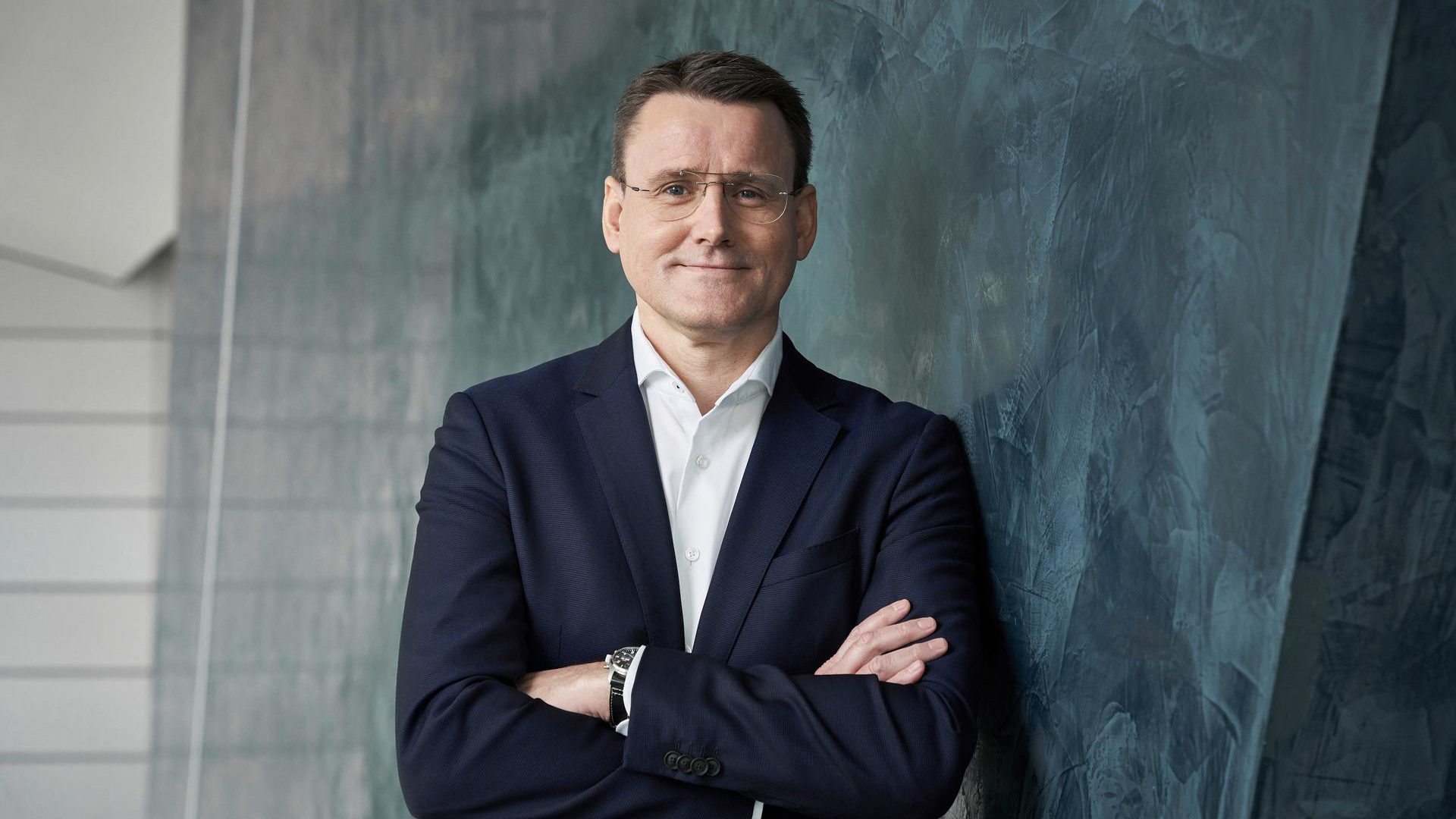
“Following intensive negotiations, we have now reached agreement with our employee representatives on the implementation of key cornerstones of the MAN2030+ program”, stated MAN CEO and TRATON Executive Board member Alexander Vlaskamp. “The plan secures MAN’s competitiveness and guarantees our customers a broad product portfolio as a full liner, which forms the basis for the company’s future success. This will enable us to secure the jobs of our current employees also in the future. With our continued high level of investment in Germany, we are fulfilling our industrial policy responsibilities. We will now consistently implement the long-term MAN2030+ program in order to counteract intensifying competition, changing market conditions, and major regulatory risks at an early stage.”
Karina Schnur, Chairwoman of the General Works Council of MAN Truck & Bus SE, added: “The discussions were not easy, but they were always respectful and constructive, and from the perspective of co-determination and IG Metall, they have now resulted in the best possible compromise for our employees and the company. The agreement sends a very strong signal regarding the security, stability, and future prospects of our employees. With this agreement, we are securing the jobs of our colleagues at MAN until at least the end of 2035. And we are doing so without interfering with collectively agreed benefits”.