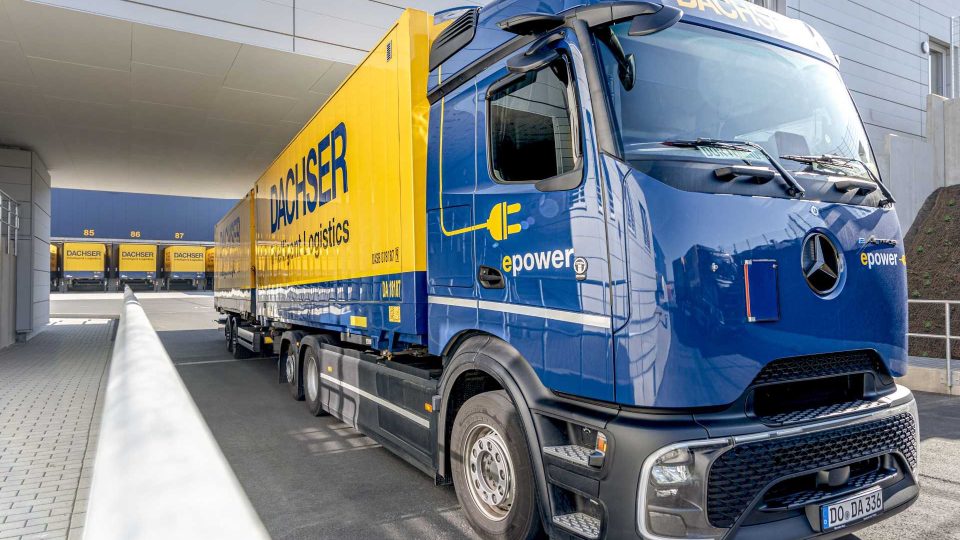


Mercedes-Benz keeps testing MCS-ready eActros 600 trucks
As stated by the truck maker, "the objective of the test drive was to ensure the highest possible compatibility between the vehicle and megawatt charging stations from various manufacturers, while also gathering valuable insights into the real‑world performance of megawatt charging under winter conditions".

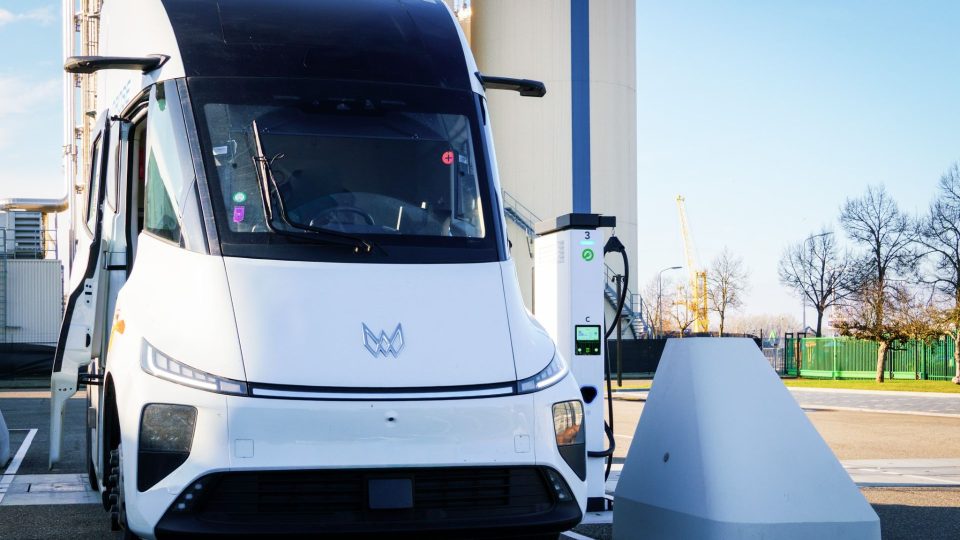
Mercedes-Benz has been testing two eActros 600 prototype trucks on European routes. Indeed, development engineers from Mercedes‑Benz Trucks tested charging based on the Megawatt Charging System (MCS) standard. As stated by the truck maker, “the objective of the test drive was to ensure the highest possible compatibility between the vehicle and megawatt charging stations from various manufacturers, while also gathering valuable insights into the real‑world performance of megawatt charging under winter conditions”.
Mercedes-Benz eActros 600, now MCS-ready
The test route covered around 2,400 kilometers, running from Germany through the Netherlands, Belgium and Denmark to Sweden. Following the tests, one of the two MCS‑capable eActros 600 trucks made an additional trip to the Finnish Arctic Circle, where it completed further winter testing at temperatures as low as –20°C before returning south.
Potrebbe interessarti
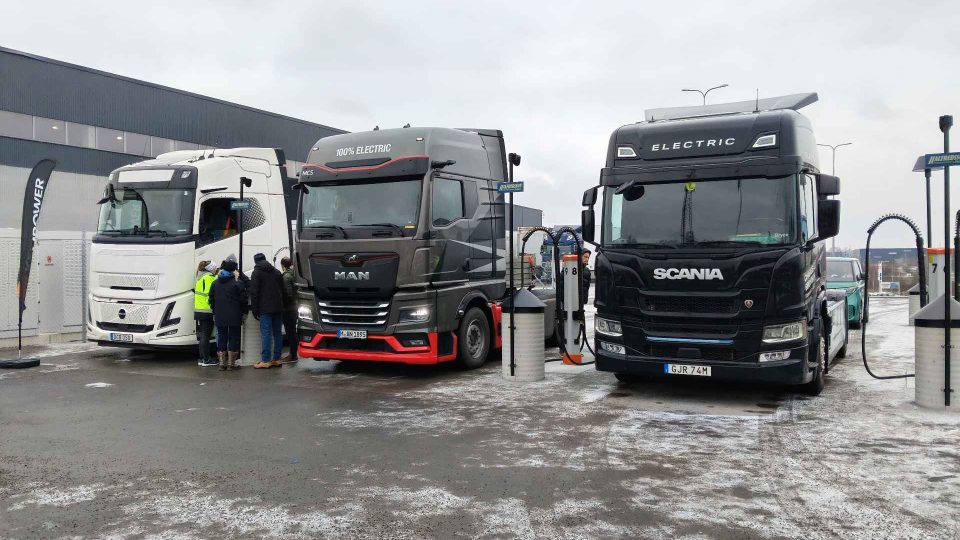
Megawatt charging, here we go! Our report from the first Kempower Live Winter Days in Norrköping
“The results confirmed that charging power in the megawatt range is also achievable at low temperatures, provided that the battery is at a sufficiently high operating temperature. Since we expect megawatt charging in real‑world use to typically take place during the legally mandated driving breaks following a driving cycle, this condition is met in practical operation”, stated Peter Ziegler, Head of E‑Charging Components at Mercedes‑Benz Trucks.
“We see megawatt charging as a key enabler for the global electrification of heavy long‑haul transport and fully support the MCS standard as an open, manufacturer‑independent solution. Given the dynamic global market development of battery‑electric commercial vehicles, the importance of a uniform, internationally compatible charging standard continues to grow. From our perspective, MCS provides the foundation for interoperability, scalability and long‑term investment security across markets and manufacturers”, he added.