

UK, Openreach is using 7,000 electric vehicles all over the country
Openreach now runs "the UK’s second largest commercial fleet, with around 23,000 vehicles, and 7,000 of them are now electric". We talk about UK's full fibre broadband network, connecting homes and businesses with faster, more reliable internet.
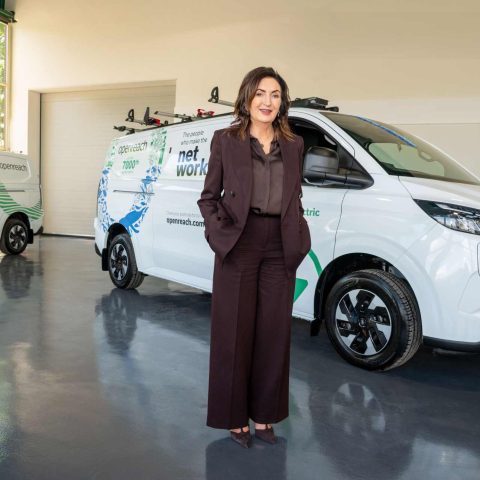
Openreach is UK’s full fibre broadband network, “connecting homes and businesses with faster, more reliable internet”, according to the company’s claim. The group is currently using over 7,000 electric vehicles, mostly vans, all over the country. “Putting our 7,000th electric vehicle on the road is a massive milestone for Openreach, and one I’m proud of. But for me, the number only really matters because of the approach behind it – and what it means for our engineers, our customers and the communities we serve”, the company stated. Openreach now runs “the UK’s second largest commercial fleet, with around 23,000 vehicles, and 7,000 of them are now electric“.
“Electrifying our fleet helps us cut carbon, improve air quality and reduce noise on our streets, making a real difference where people live and work. Just as importantly, it has to work in practice for the engineers who rely on these vehicles every day as they build and maintain the UK’s largest Full Fibre broadband network. Of course going electric is great in theory – but if a vehicle’s no good in the real world, on real roads, it simply won’t stick”.
Openreach’s trust on electric vehicles
In a dedicated post on the company’s website, Openreach adds: “We’ve focused hard on matching the right vans to the right roles. By combining data – like mileage and driving patterns – with insight from our engineers, we better understand how vehicles are used and we can make decisions that work operationally and commercially“. This proves that having electric vans on the market is not enough for electrifying fleets. “We started our electric vehicle journey back in 2019, and we’ve learned a lot since then. The tech has evolved quickly, helping to build confidence and making electric vehicles feel like a natural part of everyday working life”.
One of the main challenges is indeed related to charging infrastructure, as we know quite well. “For engineers who are out on the road every day, charging needs to be simple and reliable, without getting in the way of the working day. Where it’s possible, home charging works best. That’s why we’ve installed more than 4,000 EV chargers at engineers’ homes and across our operational sites”. However, there isn’t a single solution to charging, and there doesn’t need to be. “Across Openreach, engineers use a mix of home, workplace, depot and public charging, depending on where they live and how they work. We’ve introduced shared, bookable depot charging to give reliable options to those who can’t charge at home”.