

From the new electric generation (with range up to 700 km) to the re-engineered D13 engines. Volvo Trucks have multiple aces up the sleeve
At the Volvo Trucks Experience Center in Gothenburg, we got a closer look at the major innovations Volvo is introducing in anticipation of its centennial next year. From the updated D13 diesel and natural gas engines to the new generation of electric trucks, now available with a “monster” range of up to 700 km.
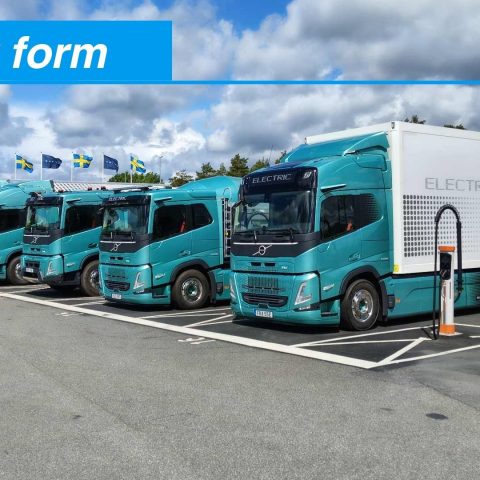
What was presented to us during our visit to Volvo Trucks’ HQs in Gothenburg is a diversified strategy with R&D as its cornerstone. And it gives us a sense, ultimately, of what we might be talking about in the coming years. On the eve of its centennial year (in 2027, the company will celebrate its first century of operation, likely coinciding with the opening of a new Volvo Trucks Experience Center in Gothenburg), Volvo unveiled the two major innovations it is introducing this year, which encompass both IC and electric vehicles. In both cases, teasers had been released over the past few weeks, so the opportunity to see the vehicles in person, speak with the engineers, and test-drive them ahead of their official launch was particularly appreciated.
Volvo Trucks: a new generation of electric vehicles
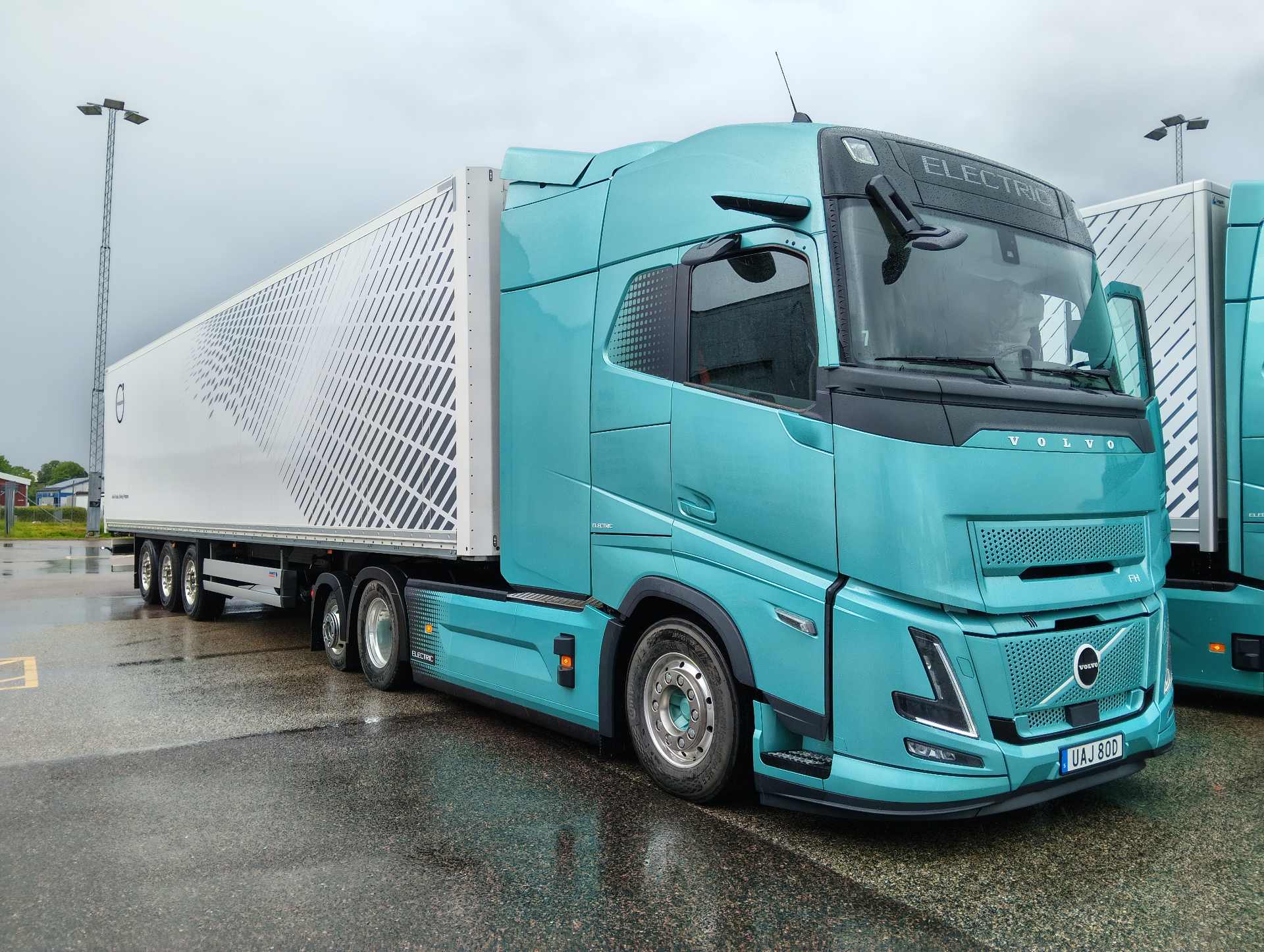
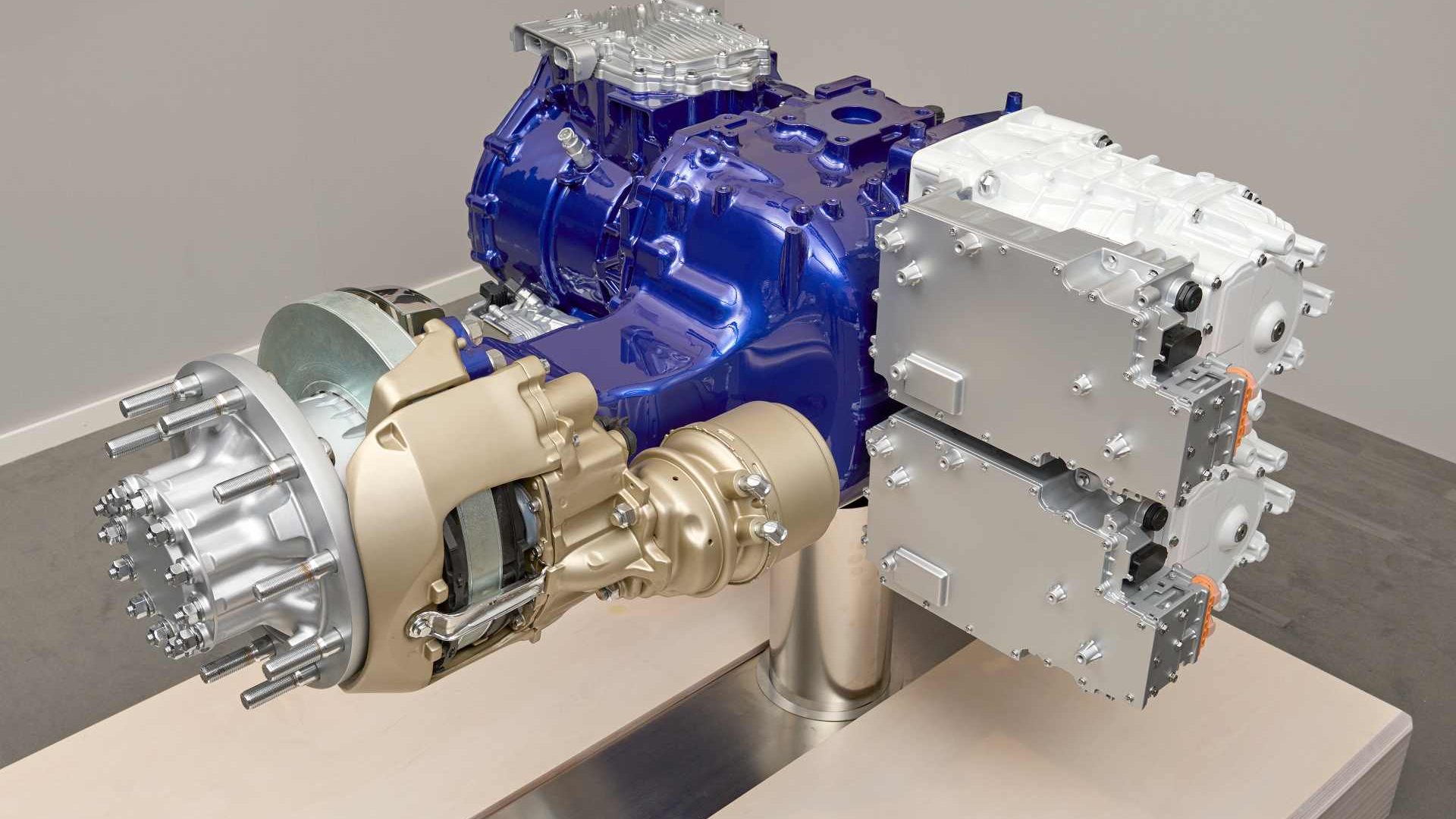
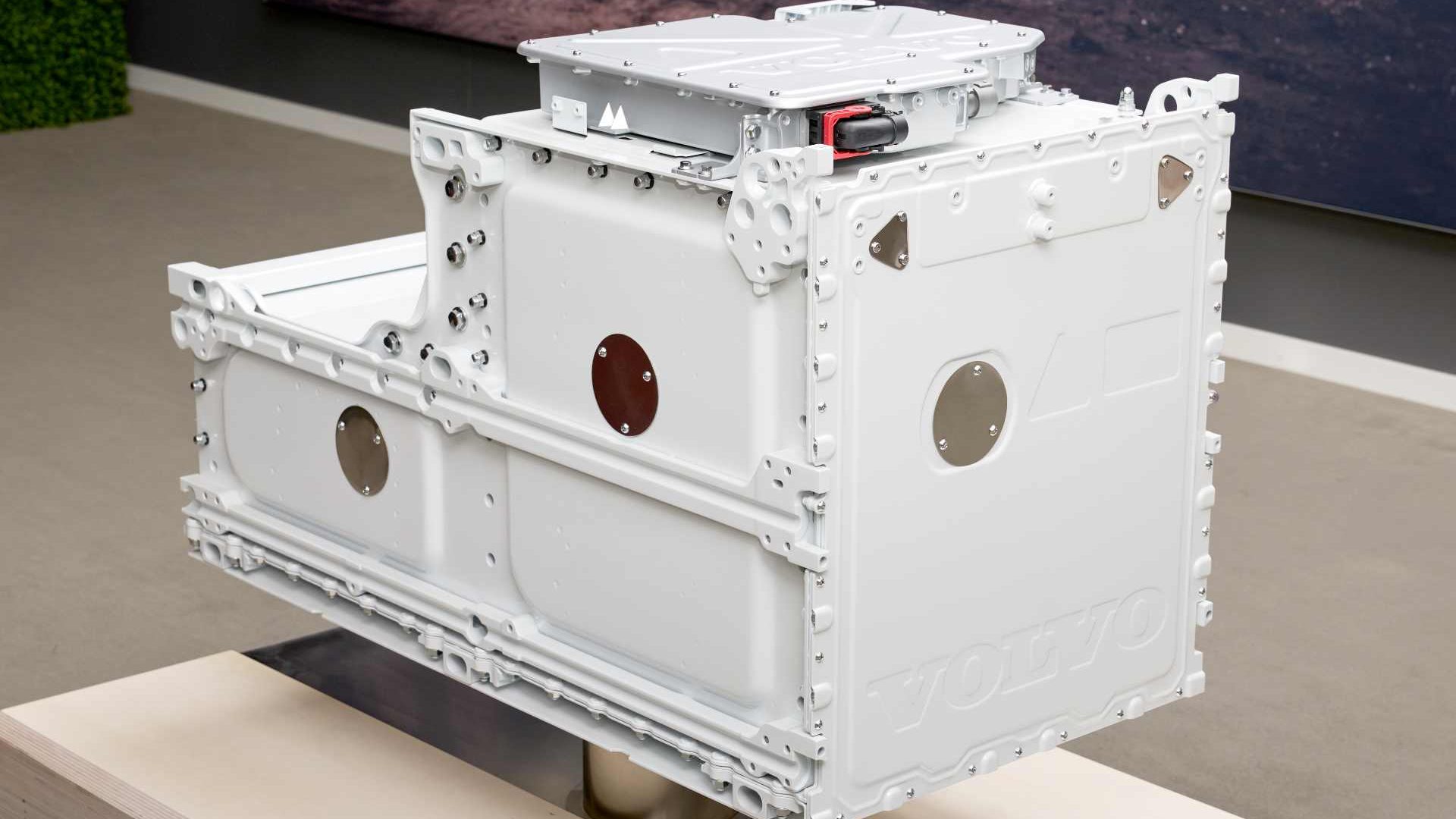
Let’s start with electric trucks. Alongside optimizing the current generation of zero-emission vehicles, the goal is to maximize the range of long-haul tractor-trailers, thanks in part to new charging options. After all, Volvo leads the European market thanks to its long-standing experience with electric heavy-duty trucks, having sold nearly 6,500 vehicles to date. Now comes the second generation, which is based on a dual philosophy. The big news, which Jan Hjelmgren had already announced to us two years ago in this interview, is the Volvo FH Electric Extended Range, the first model to feature the electrified axle developed in-house by the Volvo Group (which also powers the new Renault Trucks electric trucks). The e-axle, equipped with two electric motors, frees up space to install more battery packs: now up to eight can be mounted for a maximum capacity of 780 kWh, of which 725 kWh is usable. The shape of the battery packs has also changed compared to those seen to date, with the introduction of “L”-shaped packs that fit under the chassis.
As we were told in Gothenburg, each battery pack, using NCA (aluminum oxide, lithium, nickel, cobalt) chemistry, weighs about 630 kg, resulting in a total impact on the vehicle’s curb weight that can exceed 5 tons. This weight distribution, therefore, differs from what we’ve seen so far, making it necessary to add a third (steering) axle with a capacity of 4.5 metric tons to the tractor unit. All of this is to ensure a range of around 700 km on a single charge, significantly greater than current capabilities. Similarly, the charging speed is, in theory, higher, with the ability to go from 20 to 80 percent charge in about 50 minutes thanks to the 700-kW MCS, where available. In terms of the vehicle’s drivability, Volvo has worked on the transmission, optimizing gear shifts in the I-Shift system, as well as on more visible features such as One Pedal Drive (extreme energy recovery during braking that allows the driver to barely touch the brake pedal) and Tap to Brake, which activates the braking system with a light tap on the pedal. Finally, in terms of safety, Side Collision Detection automatically deactivates the high-voltage system in the event of a side impact at speeds exceeding 30 kilometers per hour.
The Extended Range model
One model, the Extended Range, could be described as extreme in terms of curb weight and, presumably, price as well, especially in the extra-large configuration with eight battery packs. The third axle is also a new feature that the market will have to get used to. It is currently the only way to maximize range, reaching previously unexplored heights, but everything comes at a price, and we’re very curious to see how the market will respond, with the new models hitting the roads starting next year. Volvo, however, is not abandoning the more conventional approach to electric truck design, further optimizing the powertrain based on the traditional axle, the central unit, and the battery packs in the form we know today (the cells are still produced by Samsung, although there is a desire to control the entire value chain in the near future).
For the FH, FM, and FMX models, the new generation of electric trucks offers a range of up to 470 km, with the ability to charge via CCS at 350 kW from 20 to 80 percent in just over an hour. All this is made possible by more efficient batteries and a powertrain equipped with two electric motors ranging from 300 to 540 kW for combinations weighing up to 65 metric tons (in certain countries, of course). The transmission, which has also been optimized and designed specifically for electric trucks, features eight gears. The modular battery system allows for the installation of two to six battery packs, providing a capacity of up to 460 kWh. According to Volvo engineers, significant work has been done on the BMS (Battery Monitoring System) to increase overall efficiency. Finally, it’s worth noting the PTO, which now interacts more efficiently with the drivetrain, allowing – in some cases – one of the motors to be used to power equipment even while the vehicle is moving at low speeds.
The new 13-liter diesel and gas engines
Volvo Trucks engineers have therefore extensively updated the 13-liter engine, in both its diesel and natural gas versions. The new D13 VGT and G13 VGT replace the existing models, simplifying the lineup and phasing out the 11-liter engine. While the stroke and bore remain unchanged, many other components have been modified, starting with the compression ratio, now increased to 20:1 thanks to the re-engineering of the injection system, as well as the cylinder block, cylinder heads, and pistons. Volvo has worked to optimize power and torque, reduce fuel consumption (the promise is to improve efficiency by up to 4 percent compared to the current generation), and increase engine braking performance, now available with braking power of up to 470 kW.
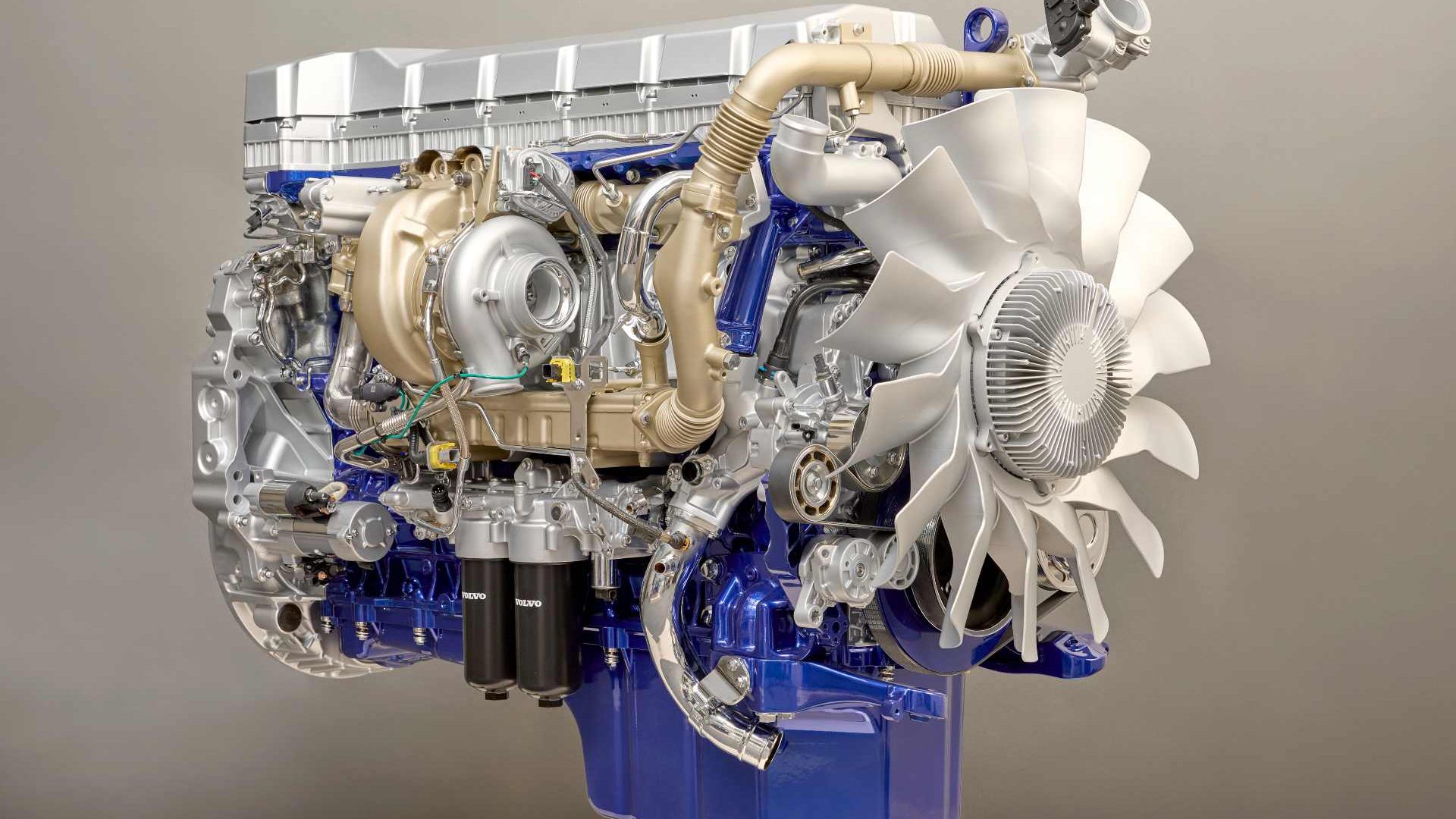
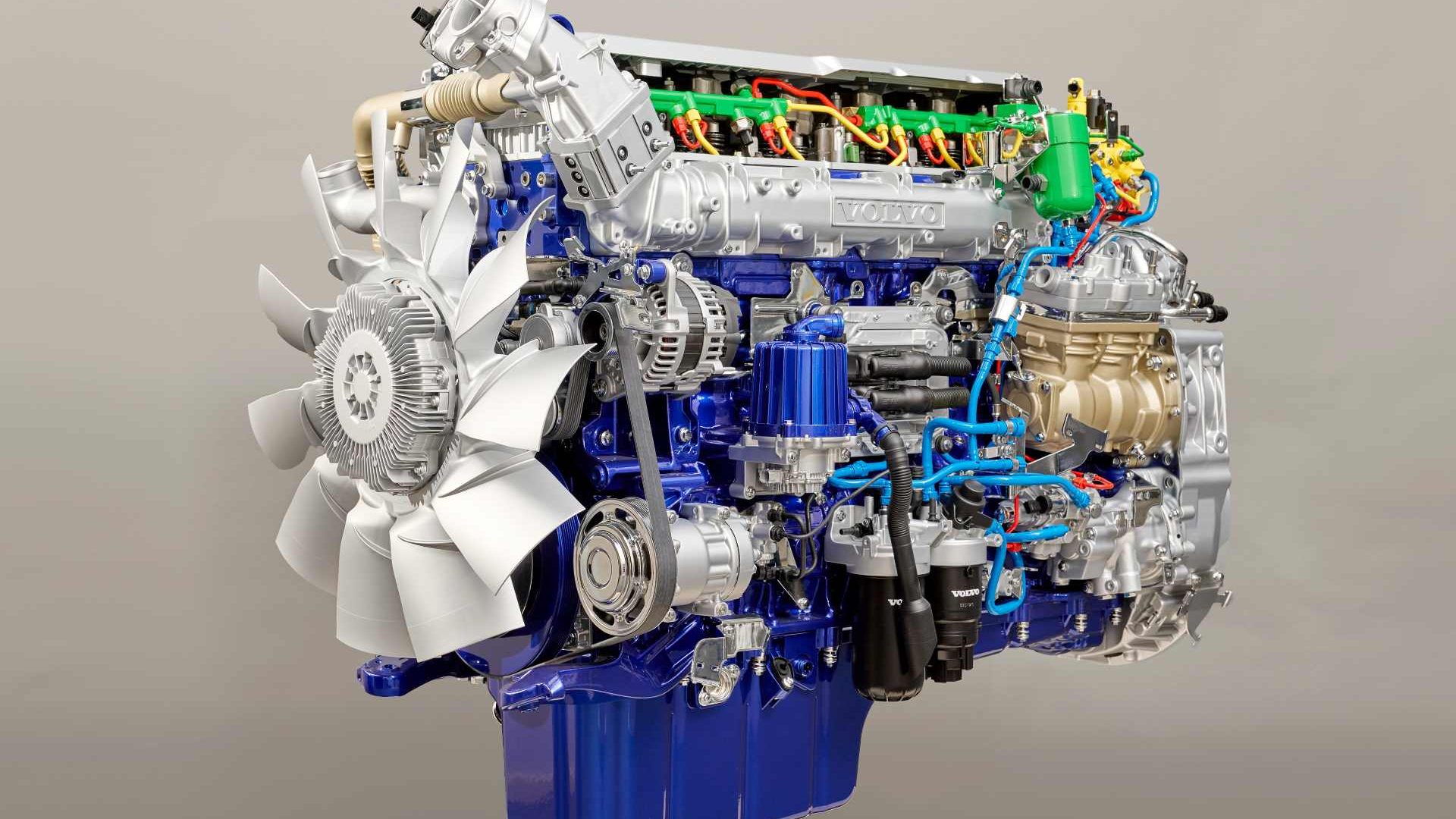
Then there’s the Variable-Geometry Turbocharger (VGT), which is fitted to both the diesel and natural gas engines. This system, thanks in part to the use of advanced components (such as ball bearings) and adaptive materials, makes the engine more flexible and responsive during acceleration. The VGT also plays a role in enhancing engine braking, which not only improves vehicle control during descents but also reduces the need for the service brake, thereby minimizing its wear.
Some more technical details
Speaking of power, the new D13 diesel engine will be available, starting in 2027, in a range from 380 (FM only) to 560 hp, including versions rated at 420, 460, and 500 hp, with torque ranging from 1,800 (again, only for the FM) to 2,900 Nm. In the natural gas version, power ranges from 420 to 500 hp (there is also an intermediate 460 hp variant) with torque between 2,400 and 2,800 Nm. Especially for the NG engines, torque has increased significantly compared to the current generation. There’s also an update to Volvo’s I-Shift transmission for faster and smoother gear changes, paired with an updated retarder. Finally, as announced a few months ago, the start/stop system with I-Roll is now available, which shuts off the engine to further reduce fuel consumption when coasting downhill and at speeds above 60 km/h. The updated engine platform is also designed for use with hydrogen: Volvo is working on this, although no further details have been disclosed. Certainly, biogas and B-100 biodiesel are immediately available options for further reducing emissions in the well-to-wheel cycle, according to the vision of the Swedish brand, which is at the forefront of research and development.