
Toyota Motor North America to become the new NA Hydrogen headquarters
“Toyota has developed hydrogen fuel cell electric solutions for more than three decades, and we will continue to advance this scalable, zero-emission technology as part of our electrified portfolio,” said Ted Ogawa, President and CEO, Toyota Motor North America.
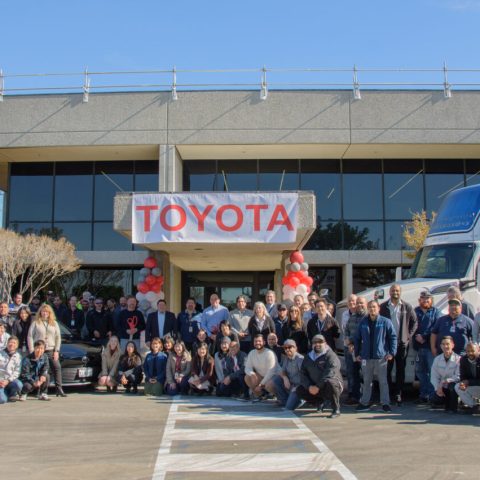
Toyota Motor North America (TMNA) has recently announced that it is renaming the TMNA R&D California office as its new North American Hydrogen Headquarters (H2HQ). According to the manufacturer, the office workspace at the new H2HQ was recently redesigned for its teams working from research and development to commercialization planning and sales of hydrogen-related products and technologies. There are plans to add key features to the H2HQ campus in the future such as a flexible microgrid, sustainable customer education center and more.
Last year, Toyota Motor Corporation reorganized its hydrogen business in Japan to create what it calls “Hydrogen Factory” with the idea to bring all hydrogen-related work under one location and accelerate customer-oriented product development and production in fuel cell or hydrogen-related products. Similar plans have been announced in Europe, where the so-called “Hydrogen Factory” was established with the aim to further grow Toyota’s hydrogen business and stimulate wider roll-out of hydrogen ecosystems and infrastructure across Europe.
“Toyota has developed hydrogen fuel cell electric solutions for more than three decades, and we will continue to advance this scalable, zero-emission technology as part of our electrified portfolio,” said Ted Ogawa, President and CEO, Toyota Motor North America. “Renaming this facility as North American Hydrogen Headquarters represents our leadership in fuel cell development creating real-world products to help reduce carbon emissions.”