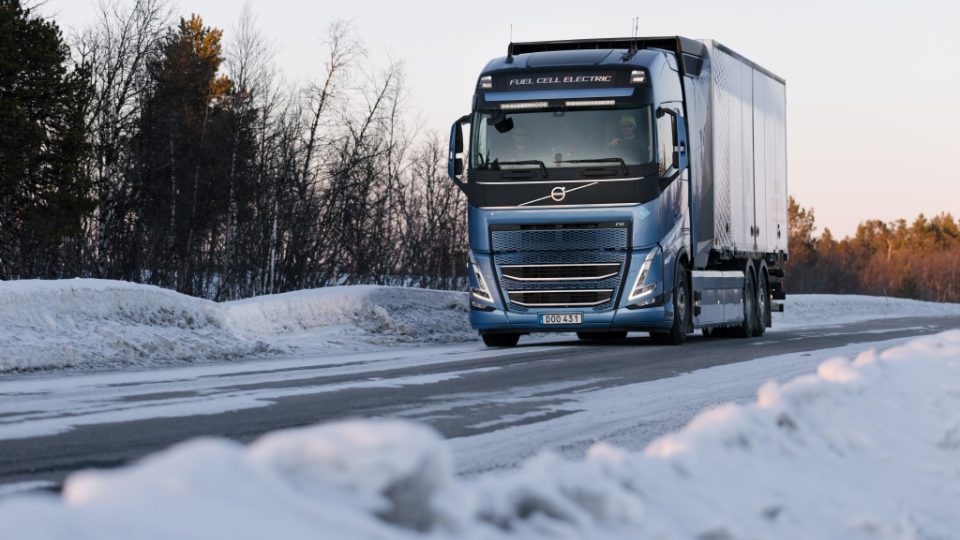


Volvo launches hydrogen ICE-powered trucks. Road tests will start in 2026
Volvo trucks with hydrogen-powered combustion engines will feature High Pressure Direct Injection (HPDI), a technology where a small amount of ignition fuel is injected with high pressure to enable compression ignition before hydrogen is added. It is the result of the recently announced cooperation with major player Westport Fuel Systems.
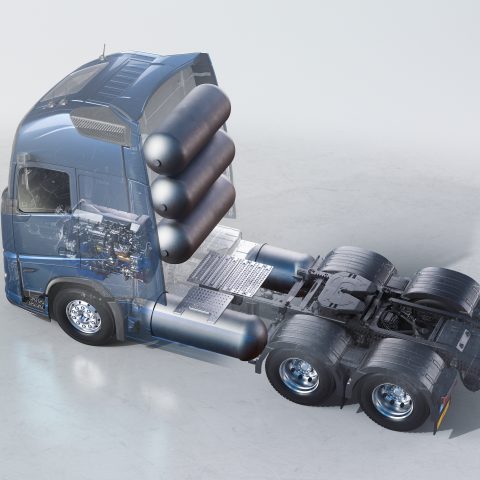
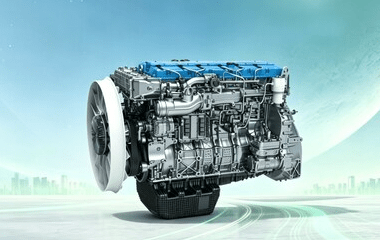
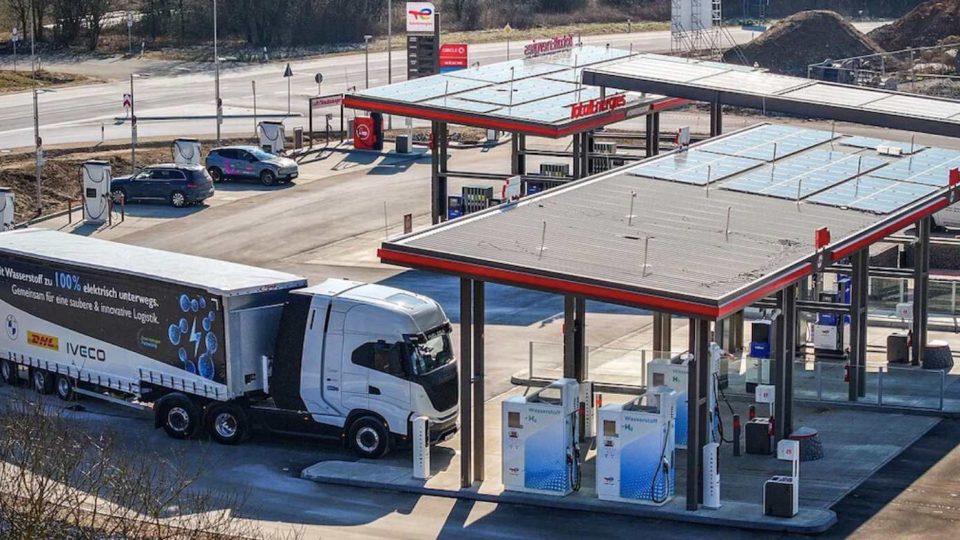
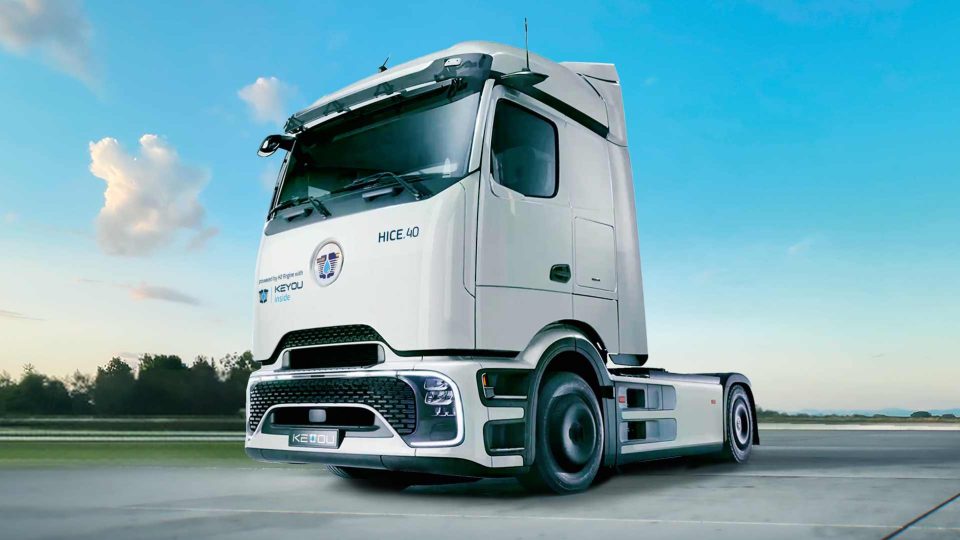
Volvo is about to launch hydrogen ICE-powered trucks. On-road tests with trucks using hydrogen in combustion engines will begin in 2026, and the commercial launch is planned towards the end of this decade. Already, testing in labs and in vehicles is ongoing. The hydrogen-powered combustion engine trucks will complement Volvo’s offering of other alternatives, such as battery electric trucks, fuel cell electric trucks and trucks that run on renewable fuels, like biogas and HVO.
Volvo to rely on Westport injection system on hydrogen
Technically speaking, Volvo trucks with hydrogen-powered combustion engines will feature High Pressure Direct Injection (HPDI), a technology where a small amount of ignition fuel is injected with high pressure to enable compression ignition before hydrogen is added. It is the result of the recently announced cooperation with major player Westport Fuel Systems. The advantages of this technology include higher energy efficiency with lower fuel consumption, and increased engine power.
Potrebbe interessarti
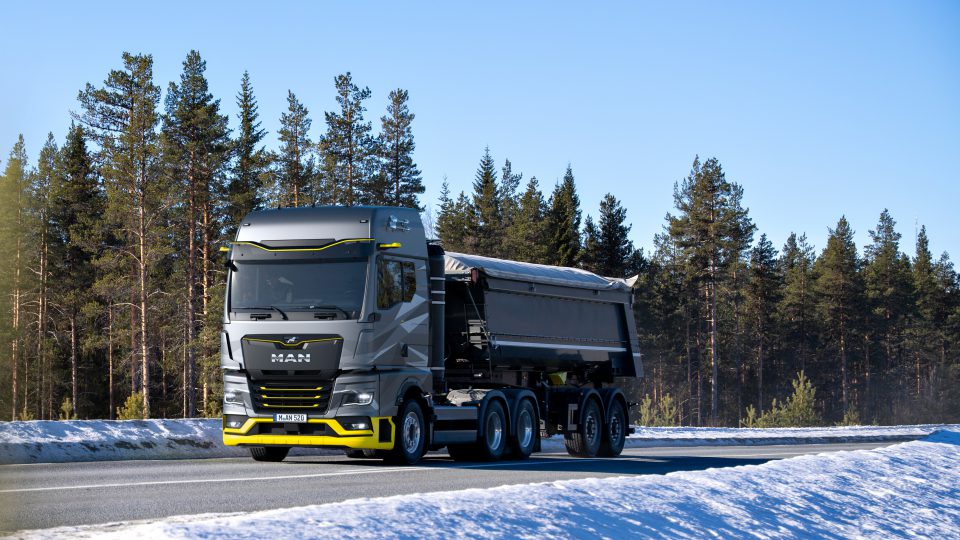
MAN to develop small truck series with hydrogen ICE for selected markets by 2025
“Trucks where the traditional internal combustion engine remains but runs on hydrogen will have the same performance and reliability as our diesel trucks, but with the added benefit of potentially net zero CO2 emissions well-to-wheel. They will be a valuable complement to our battery electric trucks, which have been on the market for several years,” said Jan Hjelmgren, Head of Product Management and Quality, Volvo Trucks.