

ACEA: CO2 emissions targets for trucks and buses “unachievable without enabling conditions”
“Decarbonising heavy-duty transport is not a solo endeavour,” stated Sigrid de Vries, ACEA Director General. “To create an environment where vehicle manufacturers can thrive and meet targets, we need a collaborative effort from all stakeholders, including policymakers.”
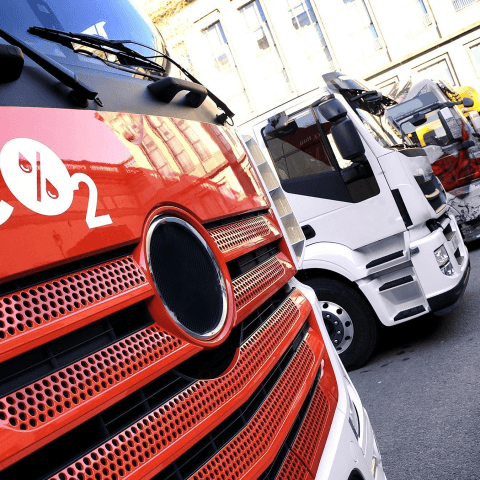
According to ACEA, the current CO2 emissions targets imposed by the EU institutions are “unachievable without enabling conditions”. The European Automobile Manufacturers’ Association (ACEA) repeats its call for a fit-for-purpose CO2 regulation for heavy commercial vehicles.
“Decarbonising heavy-duty transport is not a solo endeavour,” stated Sigrid de Vries, ACEA Director General. “We operate within a highly interconnected transport ecosystem. To create an environment where vehicle manufacturers can thrive and meet targets, we need a collaborative effort from all stakeholders, including policymakers.”
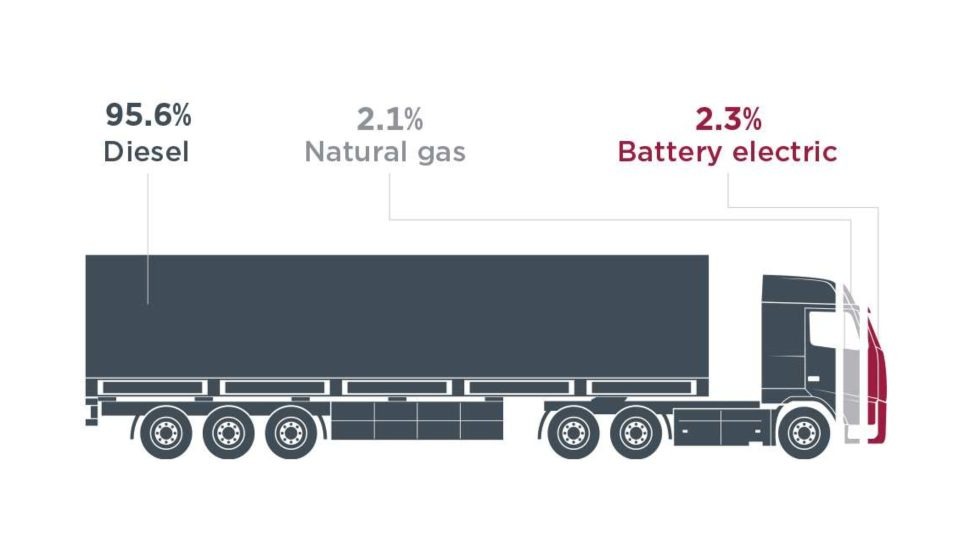
CO2 emissions targets in Europe, according to ACEA
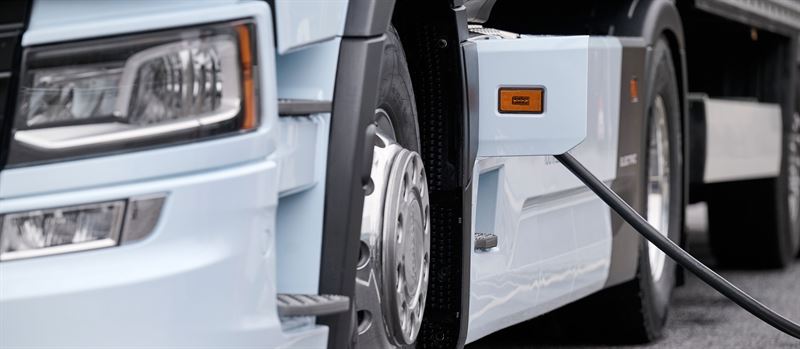
The challenge extends beyond the pervasive lack of charging and refilling infrastructure and requires addressing other demand-side measures as well. Customer demand for electric and hydrogen-powered trucks and buses still lags far behind conventional models. “ACEA’s members have made the investments, and zero-emission vehicles are ready to go, but customers must equally have the confidence to invest,” added de Vries.
ACEA calls for a fit-for-purpose CO2 regulation for trucks and buses and that law makers address shortcomings in the upcoming plenary vote and trialogue negotiations.