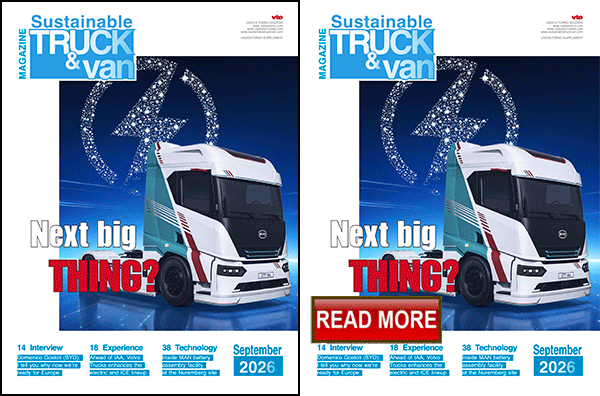

BYD: “Our goal is to become a go-to partner for European truck fleets”
BYD is preparing to step up its presence in the European truck market, with major product unveilings expected at IAA Transportation 2026. Domenico Gostoli, BYD’s head of trucks and buses for Europe, explains the Chinese manufacturer’s plans for products, local operations, after-sales and its future relationship with European fleets.
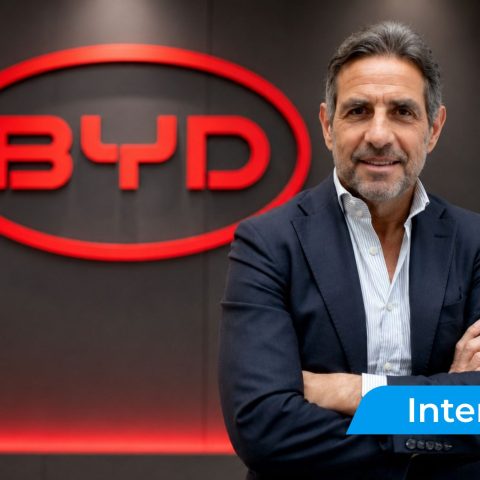
A leading name in the passenger car and bus sectors, BYD is now preparing a full-scale push into heavy-duty freight transport as well. We spoke with Domenico Gostoli, an automotive industry veteran and now BYD’s head of trucks and buses for Europe, who is tasked with building the team and defining the company’s strategy for the European commercial vehicle market. IAA Transportation 2026 could mark an important turning point, with BYD preparing major truck unveilings in Hannover.
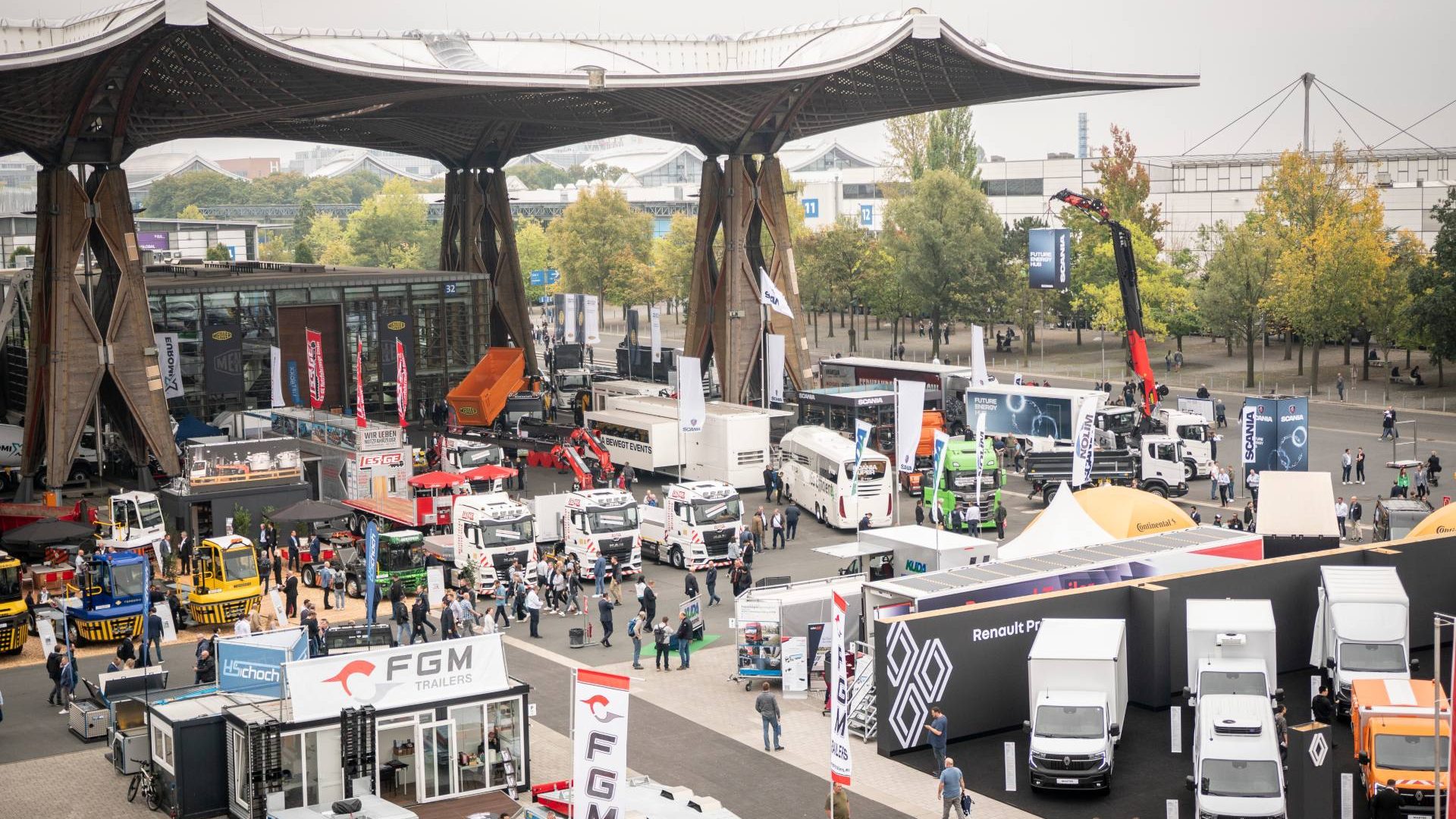
BYD to exhibit at IAA Transportation 2026
IAA 2026 is just around the corner, and we believe it could truly be a pivotal event for BYD’s future. What can we expect in Hanover?
IAA Transportation 2026 represents a major turning point for BYD. We won’t be in Hanover simply to showcase vehicles, but to present a comprehensive vision of the future of commercial transportation. For BYD, the electrification of transportation is no longer a future scenario or a pilot project, but a practical and reliable solution, ready for large-scale deployment in Europe.
Let’s talk about products, then. What kind of vehicles is BYD introducing to the European truck market? And will they be manufactured in China, or is there a plan to produce or assemble them directly in Europe?
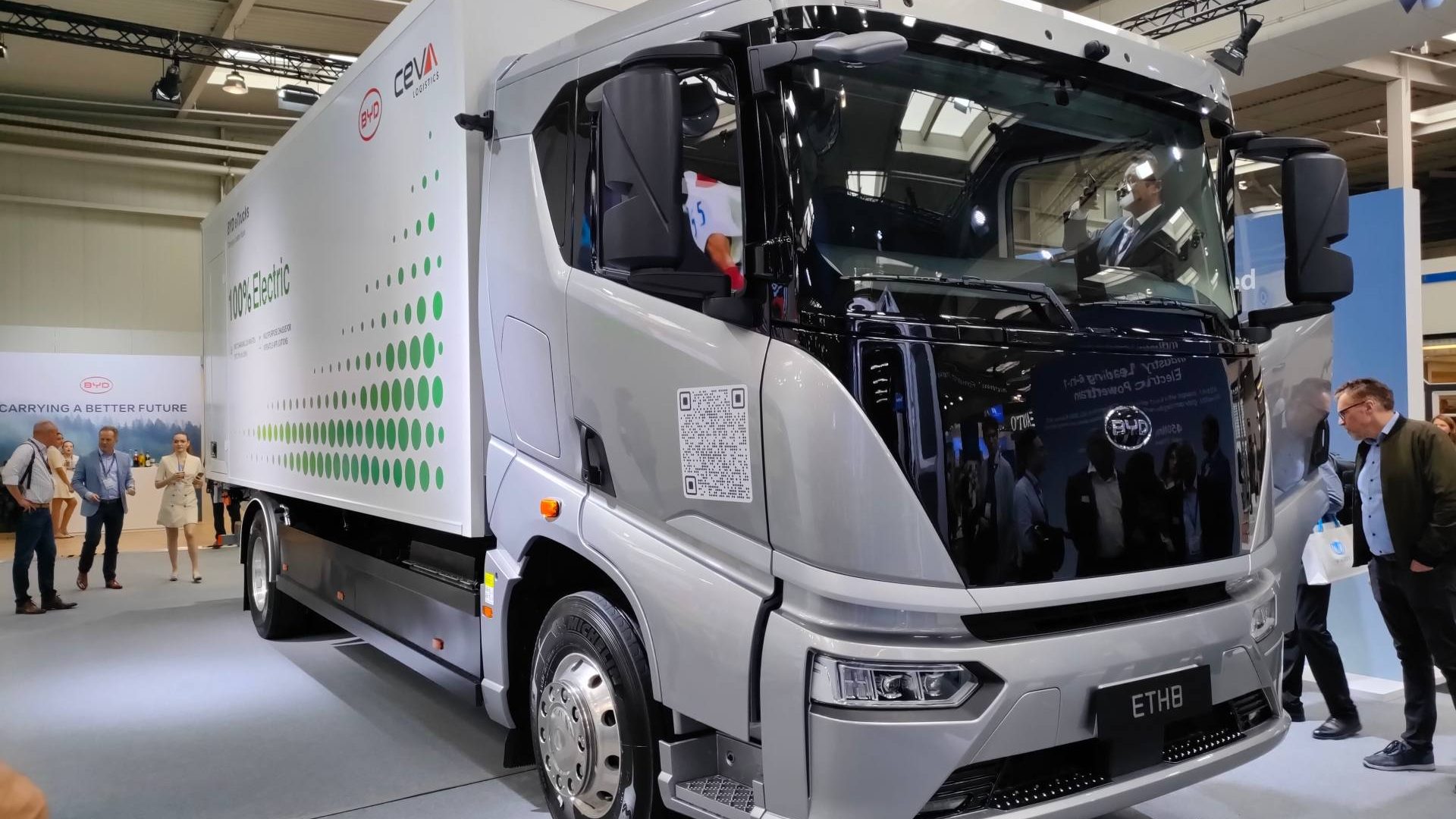
I can’t yet reveal all the details of the models that will officially debut on September 14 in Hanover, a lineup that will cover key transportation applications with a specific focus on operational efficiency and Total Cost of Ownership (TCO) for customers. As for production, building on our established presence in Hungary in the bus sector, we are constantly monitoring the evolution of volumes in the European market to structure our value chain and industrial presence as efficiently and flexibly as possible, being truly close to our customers.
In the passenger car segment—not to mention buses—BYD is showing its full potential. Is it reasonable to expect something similar in the truck sector? What is the company’s action plan for the next—let’s say—5 years?
Absolutely. BYD’s strength lies in its technological DNA. Indeed, we are the only manufacturer that develops the entire ‘heart’ of electric mobility in-house, from second-generation batteries (blade battery) to motors and power electronics. Over the next 5 years, our goal in the truck sector is to become a go-to partner for European fleets. We aim to offer a comprehensive ecosystem that may ensure business continuity and a single point of contact with the customer across the entire transportation system.
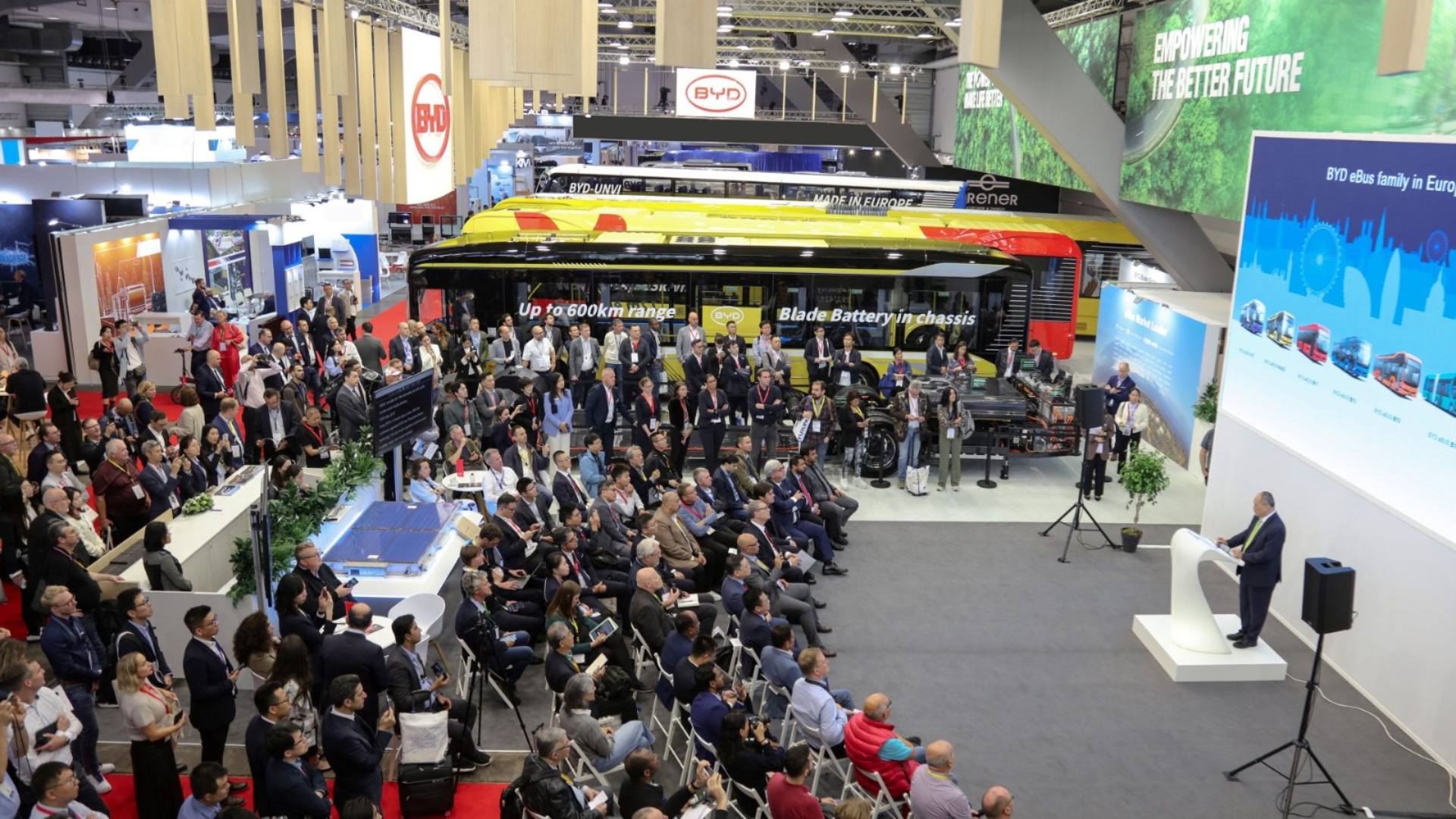
The need to build a reliable team
Let’s talk about people. One of your responsibilities is to build and train a team capable of leading the brand in the face of European competition. How are you approaching this? What kind of people are you looking for? And what is your goal when it comes to the composition of the BYD Truck&Bus team?
Building the right team is my top priority. The European commercial vehicle market requires extremely strong vertical expertise and an in-depth understanding of transporters’ needs. We’re bringing on board professionals with a solid background in the automotive industry and heavy logistics, as well as specialists in energy infrastructure and after-sales services. We’re looking for people capable of combining a vision for innovation with the day-to-day pragmatism of fleet operations: our goal is to have a multidisciplinary, strongly customer-focused team with a presence in key European markets.
Looking at the various European countries, are there certain markets you will focus on more than others, or will your strategy be similar regardless of the national context?
Europe is a complex mosaic, but one with common guidelines related to decarbonization and regulation. Our approach will be based on analyzing natural demand trends and real opportunities for growth. It’s in our DNA to be the driving force behind energy transition. On the one hand, we’ll prioritize countries with a more mature charging infrastructure and clear incentive policies (such as Northern European countries and the DACH region); on the other hand, we consider markets like Italy, France, and the Iberian Peninsula to be highly strategic for regional logistics. Our strategy is to adapt the business model to the specific characteristics of each country while maintaining a high level of consistency in the services we offer.
Traditional manufacturers, those that have been operating in the European market the longest, believe they have a significant advantage over ‘newcomers’ in terms of having an extensive service network. Do you think this could be an obstacle to your plans, or are you already working to ensure that your customers receive service comparable to that of the so-called ‘eight sisters’?
We understand how critical uptime is for a trucking company, and we know that a truck that’s not running is a cost. The service network isn’t a minor detail—it’s the backbone of the business. We don’t intend to wing it: drawing on our extensive experience and the fleet of electric buses already in operation across Europe—whose business needs we understand thoroughly—we know full well that after-sales service requires flexibility and immediate, high-quality responses. To achieve this, we partner with or appoint top-tier service providers, combining the expertise of local partners with our remote predictive diagnostics and a dedicated spare parts supply chain. In this way, we guarantee support standards and turnaround times that are fully comparable to those of established industry players.
“The greatest transformation in the history of logistics”
Based on your experience, how do you think the heavy-duty transportation landscape in Europe will change in the coming years?
We are witnessing the greatest transformation in the history of logistics. In the coming years, the choice will no longer be limited to the vehicle itself but will extend to the entire energy system that powers it, with an essential focus on how the customer actually uses the vehicle in their day-to-day operations. Increasing environmental constraints, rapid technological advancements, high-power infrastructure (such as megawatt charging), and the need to reduce TCO will drive fleets toward increasingly rapid electrification on regional routes and hub-to-hub routes. Transportation solutions must be designed to be ‘future-proof.’ Those who can ensure flexibility in meeting demand, simplicity, reliability, and a single point of contact for both vehicles and energy will lead this transition. And this is exactly where BYD wants to be.