

From HPDI 2.0 to HPDI 3.0. What’s new with the evolution of the fuel injection system that Cespira is presenting at the IAA
Cespira, the joint venture between Volvo and Westport, has announced the new generation of its patented HPDI 3.0 injection system, which will be launched at IAA Transportation 2026. Scott Baker, Chief Technical Officer, gave us a sneak peek at some of the changes made to the well-known HPDI system, which is now ready to run on alternative fuels as well.
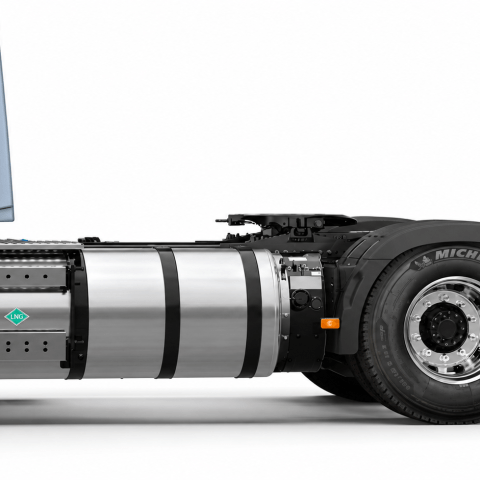
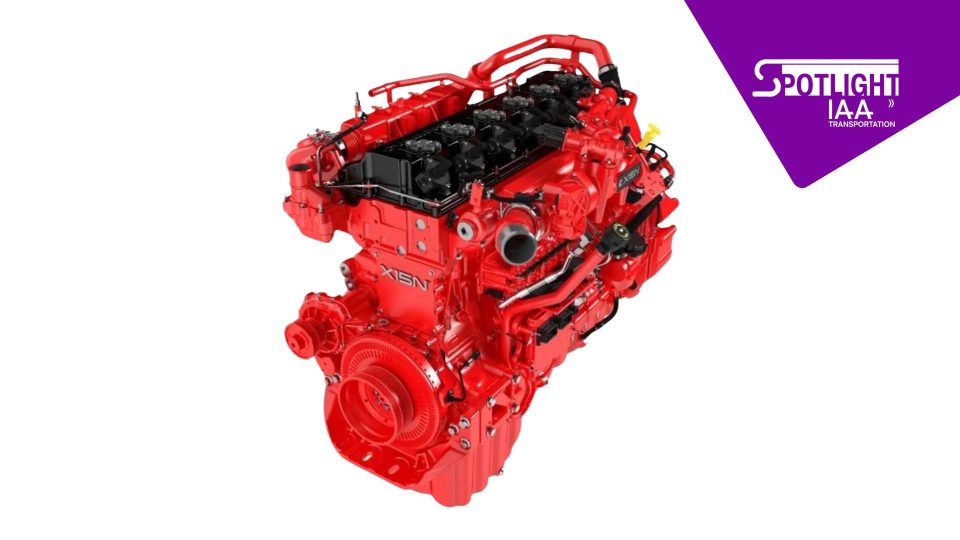
In a press release, Cespira (a joint venture between Westport Fuel Systems and Volvo AB) announced that the third generation of the HPDI system will be unveiled at IAA Transportation 2026, scheduled for September 15–20. Developed by Westport, High Pressure Direct Injection (HPDI) enables the combustion of fuels, such as natural gas, that normally do not work in compression-ignition diesel engines. Delphi has collaborated with Westport to develop a concentric injector that combines the energy charge and the ignition charge into a single injector.
Scott Baker, Chief Technical Officer of Cespira, explained during a telephone interview that HPDI 3.0 is designed for pressures of 350 bar or higher, is compatible with the increased compression ratios of future engines, and allows for more precise control of the amount of fuel injected, in terms of both pressure and flow. In effect, it represents a new common-rail architecture with a dual objective: to improve engine response and reduce emissions (and consequently the load on emission control systems). In the case of liquefied natural gas (LNG) combustion, the new HPDI 3.0 system drastically reduces the fuel return flow to the tank. As a result, the need for vapor recovery is reduced (a particularly critical issue when dealing with LNG).

Room for new energy sources
As the icing on the cake, the HPDI 3.0 is certified as compatible with hydrogen, methanol, and ethanol. This extends the HPDI’s range of applications beyond road vehicles in Europe and North America. Scott Baker, responding to a question about the potential of HPDI in the earthmoving sector, dump trucks, and other off-road applications, confirms that these segments are directly affected by these developments.
Moreover, hydrogen used in an internal combustion engine does not require “Grade 5” purity. The robustness of the internal combustion engine, especially in dusty environments, is an advantage compared to fuel cells. And with ethanol, the commercial focus could extend to certain South American markets, such as Brazil. On the subject of reliability, Scott Baker adds that the HPDI system is more tolerant of low-purity fuels than spark-ignition engines. Technically, decarbonization is moving forward. Now Cespira must engage in a lobbying battle, one in which electric vehicles seem to have won, for the time being, at the European level.