

Cespira to sign agreement with Volvo in view of hydrogen-fueled engine development
The agreement has the target to finalize the integration and commercialization of the patented Cespira’s HPDI fuel system technology to enable Volvo Group’s 13-litre engine to run on hydrogen.
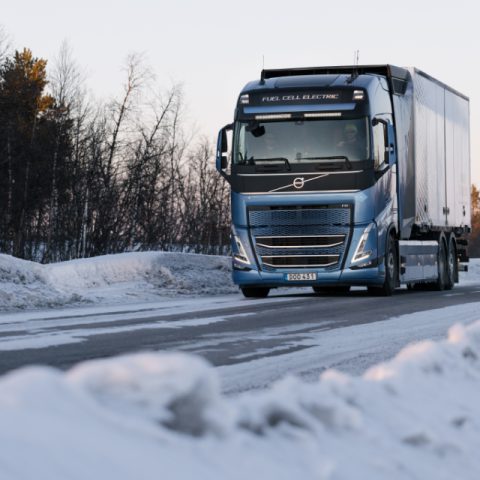
Cespira, the joint venture shared by Volvo and Westport, has signed an agreement with Volvo Group to finalize the integration and commercialization of the patented Cespira’s HPDI fuel system technology to enable Volvo Group’s 13-litre engine to run on hydrogen. We’ve just published a report from Sweden highlighting some of the main technical features of the brand-new D13 platform unveiled by Volvo.
Volvo trucks are currently in on-road testing as announced by Volvo Trucks on April 1st. The European certified commercial launch is targeted to happen before 2030. This agreement governs the final development and commercialization activities to extend the 13L engine platform to run on hydrogen.
In technical terms, Cespira’s HPDI fuel system enables direct injection of alternative fuels at high pressures into internal combustion engines, supporting the use of lower-carbon fuels while preserving the performance, durability, and operating characteristics required for heavy-duty applications.
Statements from Volvo Group and Cespira
“This development project reflects Volvo Group’s continued commitment to advancing low-carbon solutions for heavy-duty transport through multiple technology pathways. By partnering with Cespira on the hydrogen application of its HPDI™ fuel system technology to allow our 13-litre engine platform to run on hydrogen, we recognize the potential of hydrogen internal combustion as a viable long-haul option for fleets to reduce emissions in demanding applications. Our commitment to this program underscores the confidence we have in our JV, Cespira, and in the long-term potential of HPDI fuel system technology,” said Mehdi Ferhan, Senior Vice President, Powertrain Technology, Volvo Group.
“Hydrogen HPDI™ is the next phase of our HPDI fuel system strategy. Its high tolerance to hydrogen purity and ability to blend with natural gas support better economics for all stakeholders, enabling fleets to reduce CO₂ emissions with no trade-off in the performance they rely on. What is more, our HPDI development allows OEMs to adapt trucks to regional realities in fuel availability, price and infrastructure, while leveraging a common engine platform. This gives the industry cost-effective pathways to decarbonize today and builds optionality for other renewable fuels as the market evolves,” added Carlos Gonzalez, President and CEO of Cespira.