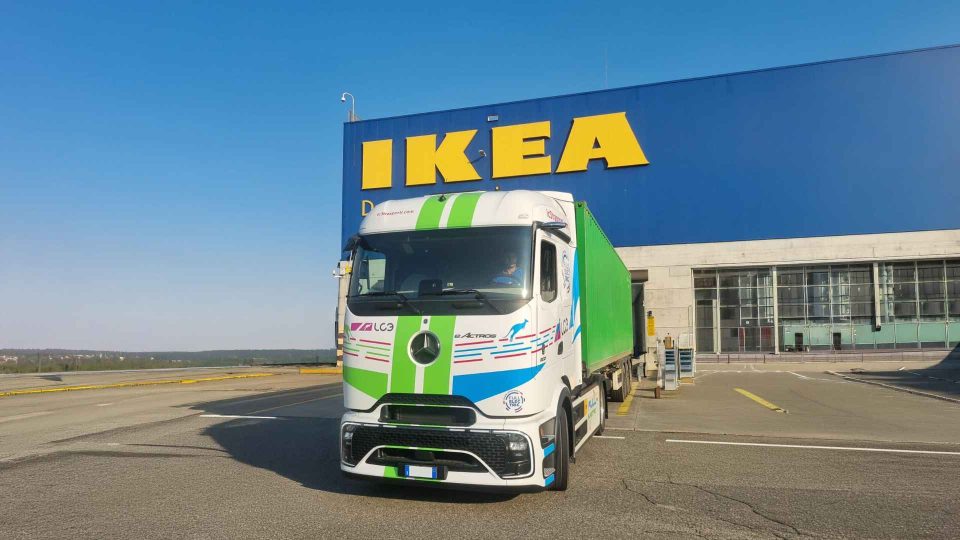


Have a look at the eActros 400, the second generation of Mercedes electric trucks
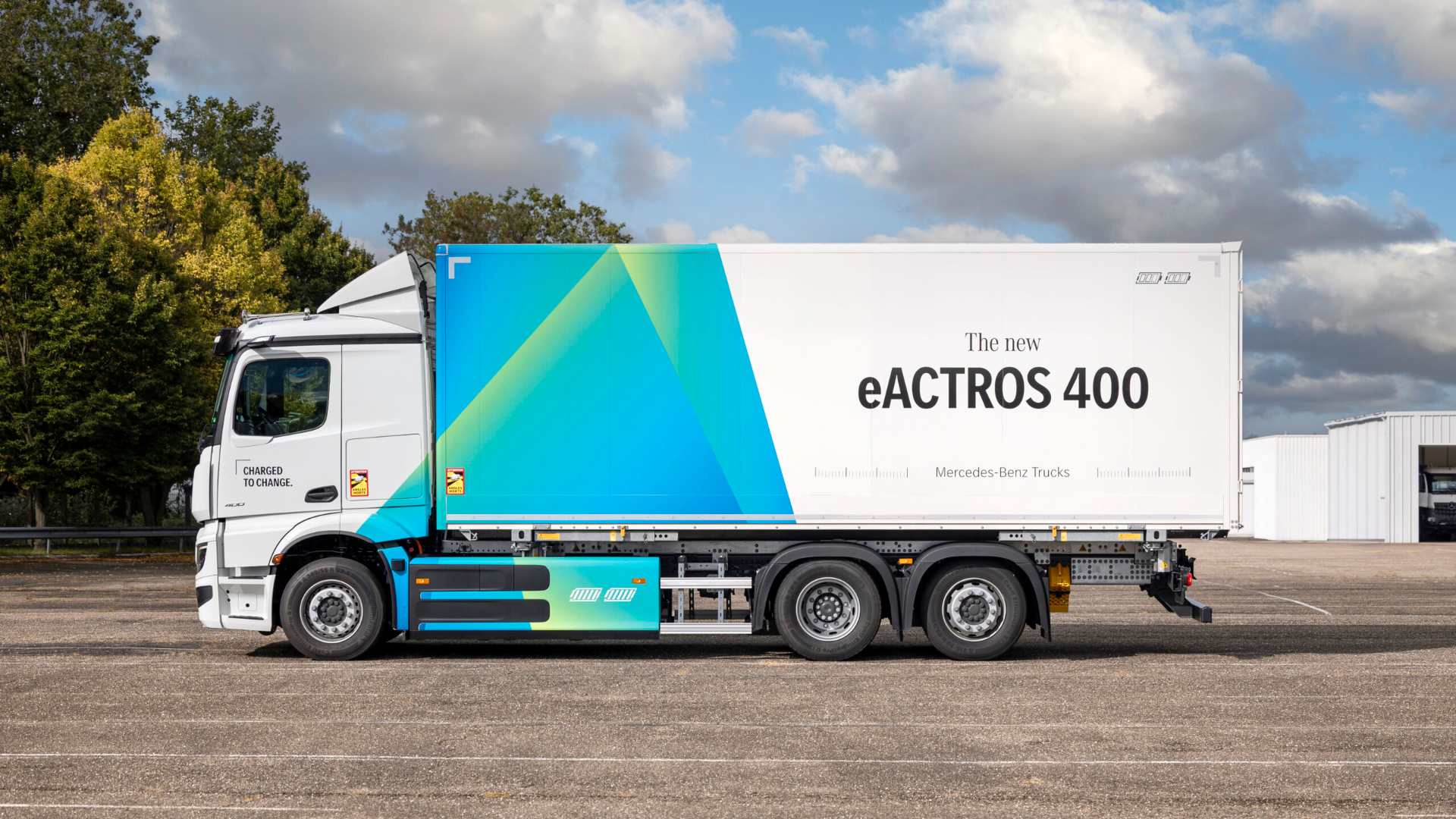
The basis is the well-known eActros 600, Mercedes-Benz's electric flagship designed for medium to long-haul transport. Now, Mercedes presents the eActros 400, an alternative for different uses that shares the fundamental technical characteristics of its ‘big brother’: from battery technology to chassis layout, including the e-axle that features all Mercedes electric trucks. The new variants of the eActros 400 provide access to electromobility at more competitive prices. Here is a preview.
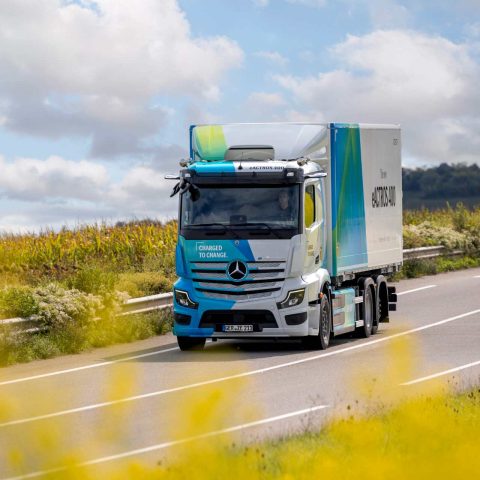
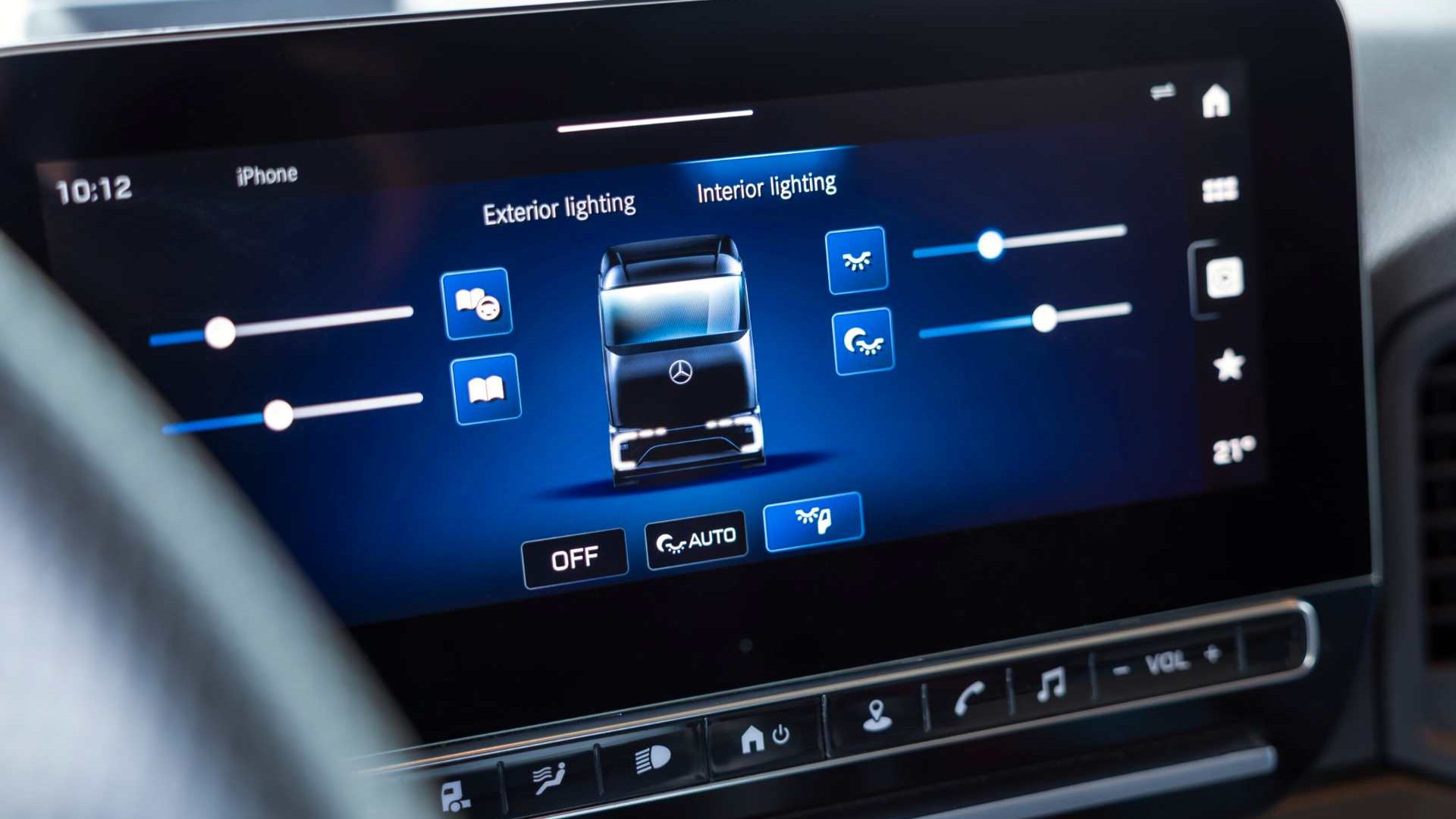
During an event currently held in France, Mercedes-Benz Trucks has introduced the brand-new eActros 400, the second generation of Mercedes electric trucks. The truck offers over 40 possible combinations of the basic vehicle, depending on the application and requirements for range, payload and comfort. Indeed, key technological features of the second-generation eActros model are based on the eActros 600: Integrated electric axle, lithium iron phosphate battery cell technology (LFP) and Multimedia Cockpit Interactive 2.
Mercedes electric trucks: more options for the customers
Mercedes-Benz Trucks is specifically expanding its range of battery-electric trucks to be able to meet even more logistics requirements in heavy-duty long-distance and distribution haulage electrically. For example, Mercedes-Benz Trucks will be offering the eActros in the future as an eActros 400 with two and an eActros 600 with three battery packs – each available as a semitrailer tractor or platform chassis, to suit the individual requirements for purpose, range and payload.
In addition, customers will be able to choose between two cabs in the future: the proven L-cab with lower entry or the aerodynamically improved, larger ProCabin for maximum cab comfort. Just to clarify, with the expansion of the second generation of the eActros model, Mercedes-Benz Trucks will no longer produce the eActros 300/400 models from the first generation by the end of the year.
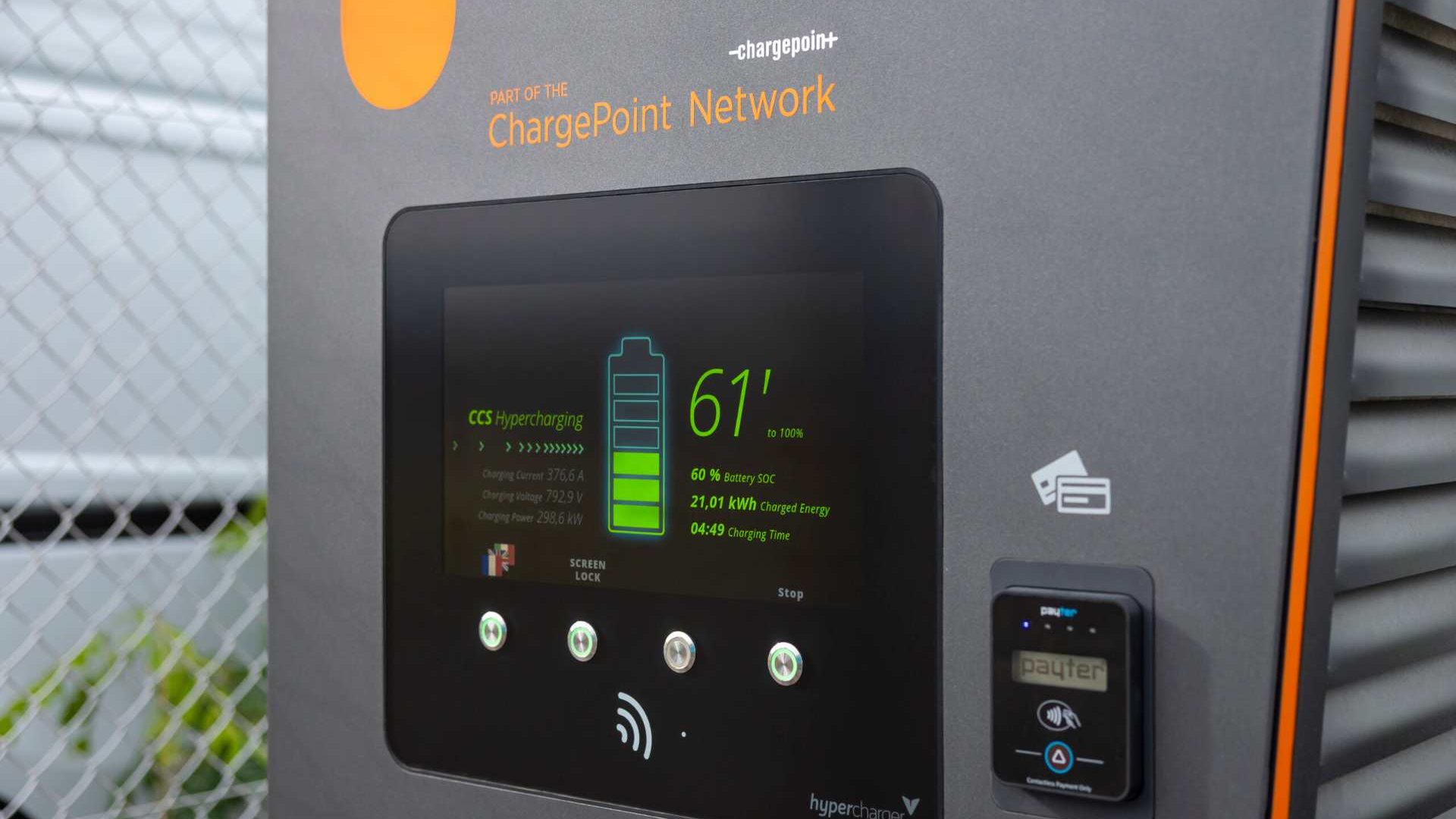
The new eActros 400 variants are equipped with two 207 kWh LFP battery packs, which together deliver 414 kWh installed battery capacity – hence the designation 400. The different configurations of the eActros lead to equally different ranges and vary depending on the vehicle class and deployment profile. With a constant driving style in long-distance haulage, the ranges are generally higher than when driving in regional heavy-duty distribution haulage.
Lower vehicle weight and higher payload
The eActros 400 with two battery packs has a lower vehicle weight and therefore offers more payload than the eActros 600 with three battery packs. The weight reduction increases the maximum fifth-wheel load of the eActros 400 to 9.5 tons.
Achim Puchert, CEO of Mercedes-Benz Trucks, said: “Since 2021, we have been actively shaping the change in freight transport and delivering practical solutions. The eActros 600 proves that battery-electric long-distance haulage is a reality – the vehicle is already operating successfully in over 15 European countries. But one thing is clear: For the transformation to succeed, the expansion of the charging infrastructure must keep pace with the vehicles, and the operation must be profitable for our customers.”
“Our eActros model family grows with the needs of our customers: Flexible cab configurations, battery packs or chassis offer transport companies tailor-made solutions. Our offering is complemented by digital services, TruckCharge charging solutions and a well-developed service network – for reliable support on the way to electromobility”, added Stina Fagerman, Head of Marketing, Sales and Services Mercedes-Benz Trucks.