
H2Accelerate calls for EU mechanism to close cost gap between hydrogen and diesel trucks
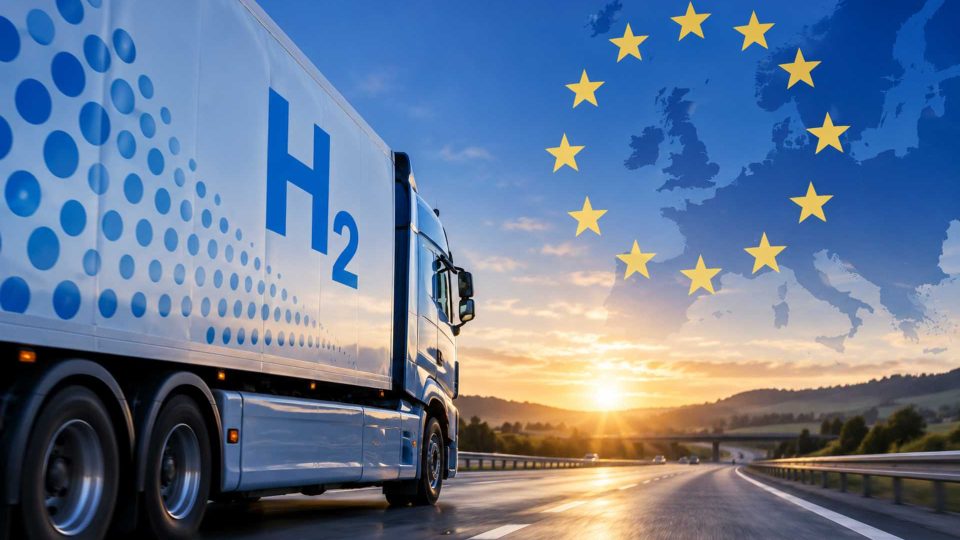
The H2Accelerate collaboration has proposed a European support mechanism to guarantee total cost of ownership parity between hydrogen-powered and diesel heavy-duty trucks. The temporary scheme would provide operational incentives through competitive tenders, complement existing national policies and encourage investment in vehicles and refuelling infrastructure.
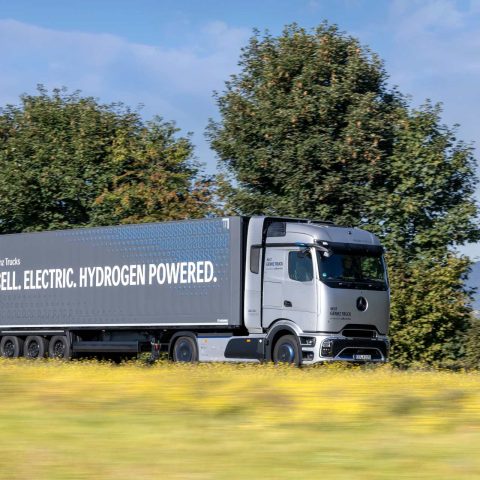
H2Accelerate has called for a new European funding mechanism to make hydrogen-powered heavy-duty trucks economically competitive with diesel vehicles. In a policy paper published on October 20, the industry collaboration proposes a TCO Parity Certainty Mechanism, designed to reduce operating costs and provide greater financial predictability for transport operators.
The proposal focuses on a central obstacle to hydrogen truck deployment: even where existing incentives can bring total cost of ownership (TCO) close to diesel levels, uncertainty over future hydrogen prices and infrastructure availability continues to discourage fleet investment.
According to H2Accelerate, the mechanism should be temporary, awarded through competitive tenders and linked to actual vehicle or infrastructure utilisation. It would cover only the remaining cost gap after existing incentives have been taken into account.
How the proposed hydrogen truck incentive would work
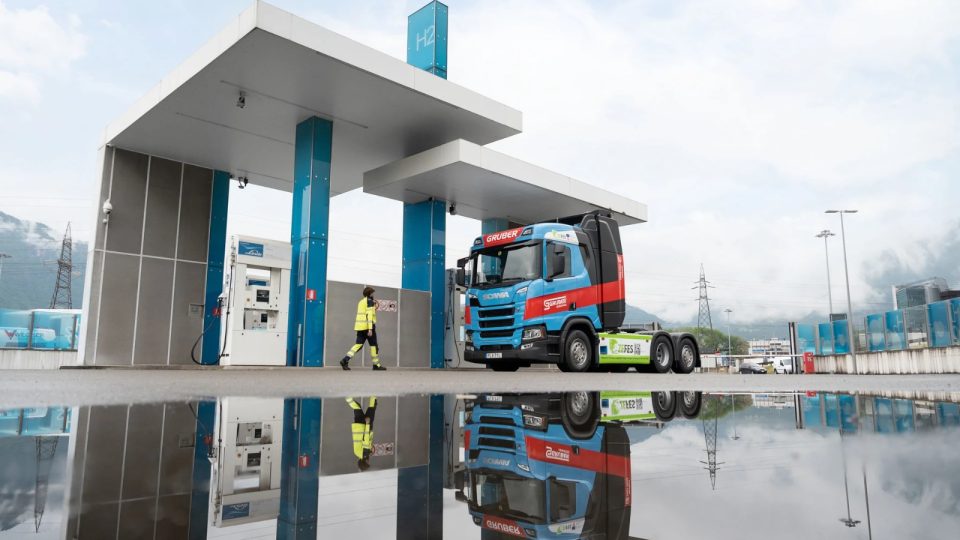
The scheme would target zero-emission heavy-duty trucks above 30 tonnes, with support potentially awarded either to hydrogen refuelling station operators, to reduce the price paid at the pump, or directly to transport companies, based on kilometres driven.

Payments could take the form of a fixed premium per kilogram of hydrogen or per kilometre, or a variable contract for difference linked to fuel costs.
Crucially, H2Accelerate argues that the mechanism should guarantee cost competitiveness over a period corresponding to the economic life of the vehicle, potentially five years or more.
The proposed incentives would complement existing measures, including vehicle purchase subsidies, toll exemptions, RED III credits and the future impact of ETS II, rather than replacing them.
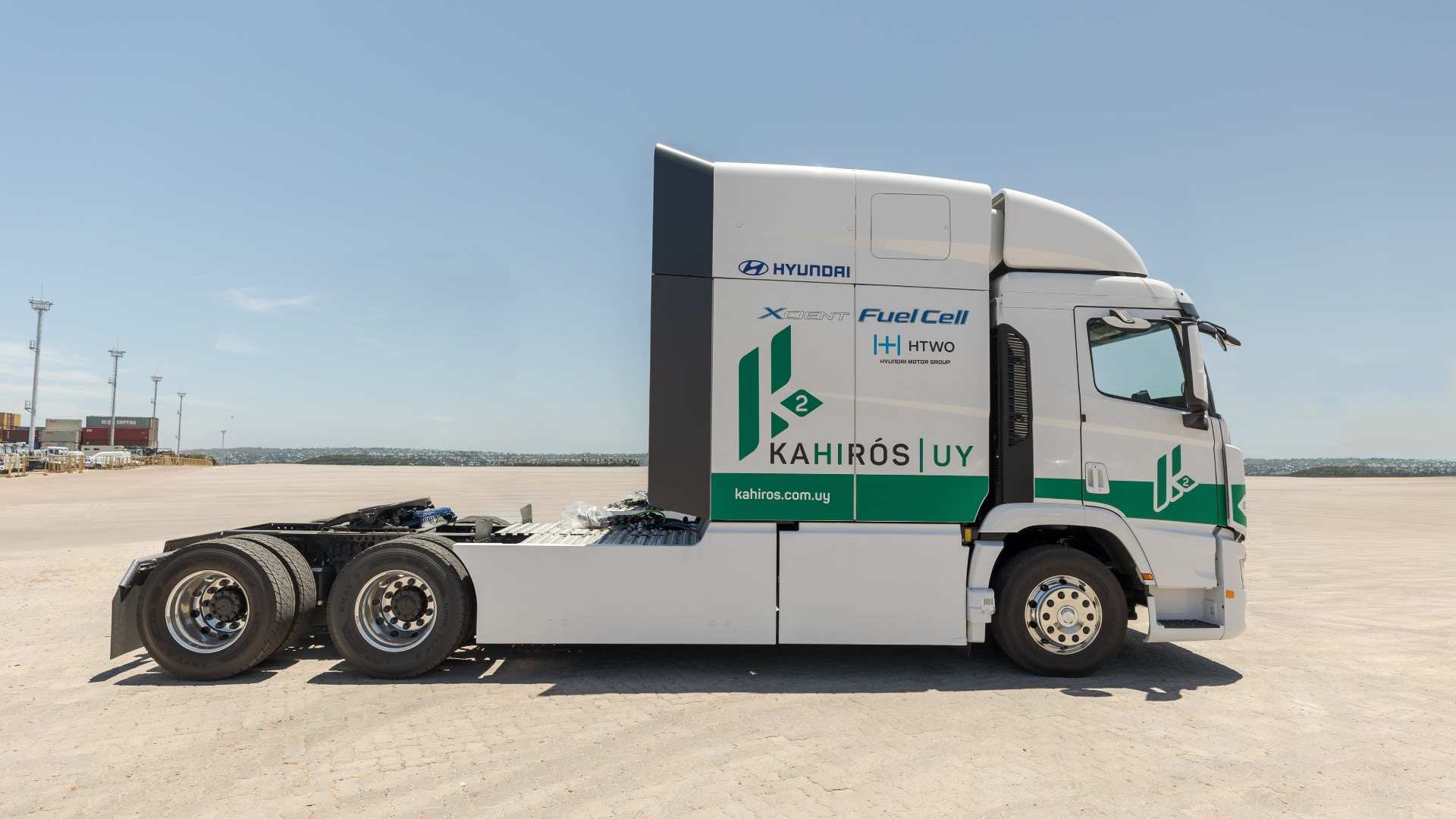
Hydrogen prices are becoming competitive in some markets
The paper points to Germany and the Netherlands as examples of countries where policy incentives are already helping zero-emission trucks approach, or potentially achieve, TCO parity with diesel.
In Germany, H2Accelerate highlights hydrogen prices of approximately €8 per kilogram announced by Hylane and H2 Mobility at selected large-scale refuelling stations.
The document also cites TEAL Mobility’s indication that prices could fall below €6.50 per kilogram for professional customers in the Benelux region, depending on annual hydrogen volumes.
However, the collaboration warns that incentives based on variable credit values do not necessarily provide the long-term certainty needed for investment decisions.
A possible role in the EU’s 2028–2034 budget
H2Accelerate proposes implementing the mechanism under the EU’s next Multiannual Financial Framework for 2028–2034, potentially through the planned European Competitiveness Fund.
The paper suggests that an initial programme could operate on a scale comparable to other major European decarbonisation funding schemes, citing the €300 million allocated to hydrogen production for maritime and aviation applications under the IF25 Hydrogen Auction.
The objective would be to support the first hydrogen freight corridors, accelerate the deployment of refuelling infrastructure compliant with the Alternative Fuels Infrastructure Regulation (AFIR) and encourage private investment.
H2Accelerate also proposes successive funding rounds, with incentives progressively reduced as hydrogen transport becomes more competitive.
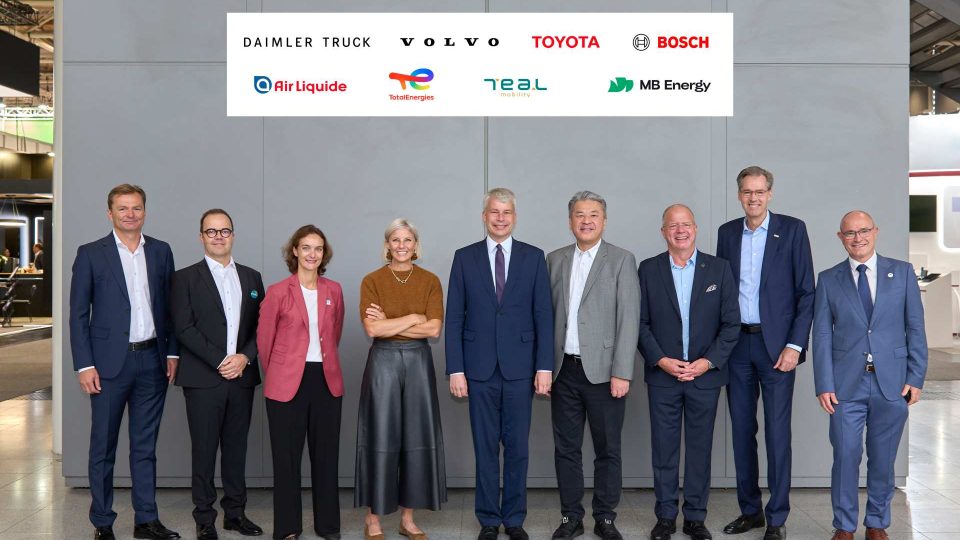
The collaboration brings together Daimler Truck, Volvo Group, Hyundai Motor Company, Linde, TEAL Mobility and TotalEnergies.