
H2Accelerate calls for EU funding reform to support hydrogen trucks and refuelling stations together
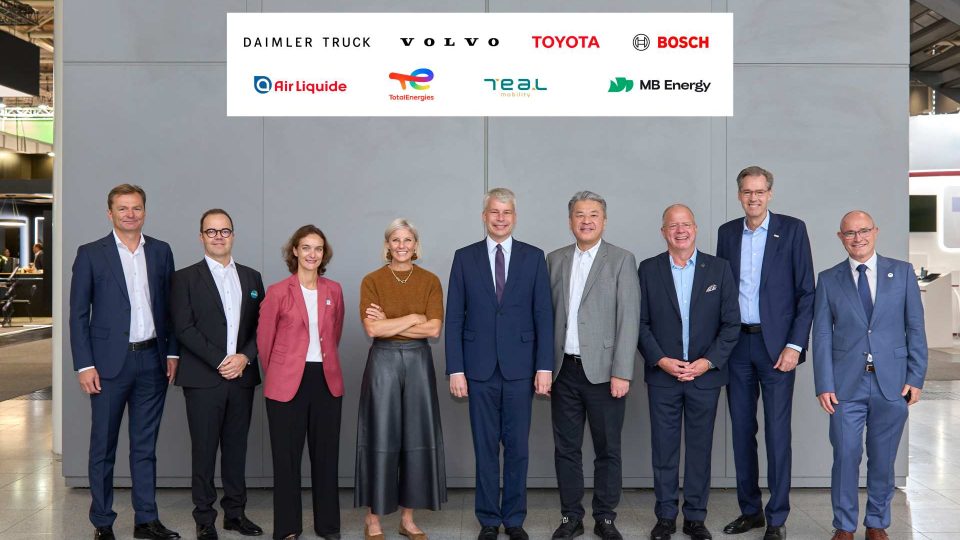
H2Accelerate is urging the European Union to rethink its funding approach to hydrogen-powered road transport. In a new policy paper, the industry collaboration argues that supporting refuelling infrastructure without ensuring sufficient demand from truck fleets risks delaying projects and undermining their commercial viability.
Europe needs to coordinate public funding for hydrogen trucks and refuelling stations, rather than supporting vehicle deployment and infrastructure through separate programmes. This is the central recommendation of a new policy paper published by the H2Accelerate collaboration, which calls for changes to future European funding schemes, including the Connecting Europe Facility’s Alternative Fuels Infrastructure Facility (CEF AFIF).
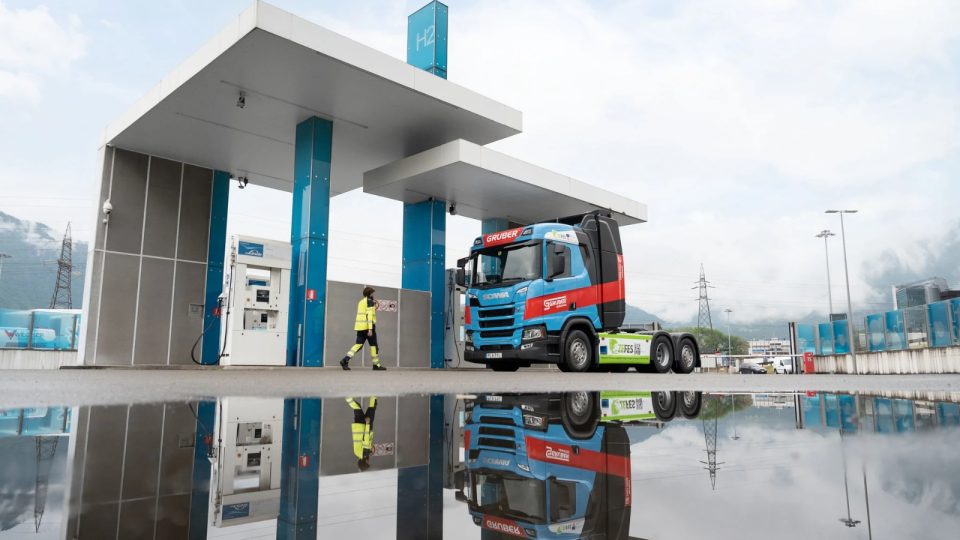
According to H2Accelerate, one of the main obstacles to scaling up hydrogen-powered heavy-duty transport is the difficulty of developing vehicles and infrastructure at the same pace. Refuelling station operators need sufficient demand to justify investments, while transport companies need reliable access to hydrogen before committing to new vehicles. The result is a potential deadlock that public funding has not yet fully addressed.
EU funding has focused mainly on infrastructure
Since 2021, the CEF AFIF programme has made €2.5 billion available for alternative fuels infrastructure, including approximately €400–450 million awarded to hydrogen refuelling projects, covering around 275 stations.
However, H2Accelerate argues that several supported projects have faced delays because sufficient demand from hydrogen-powered vehicles has not been secured.
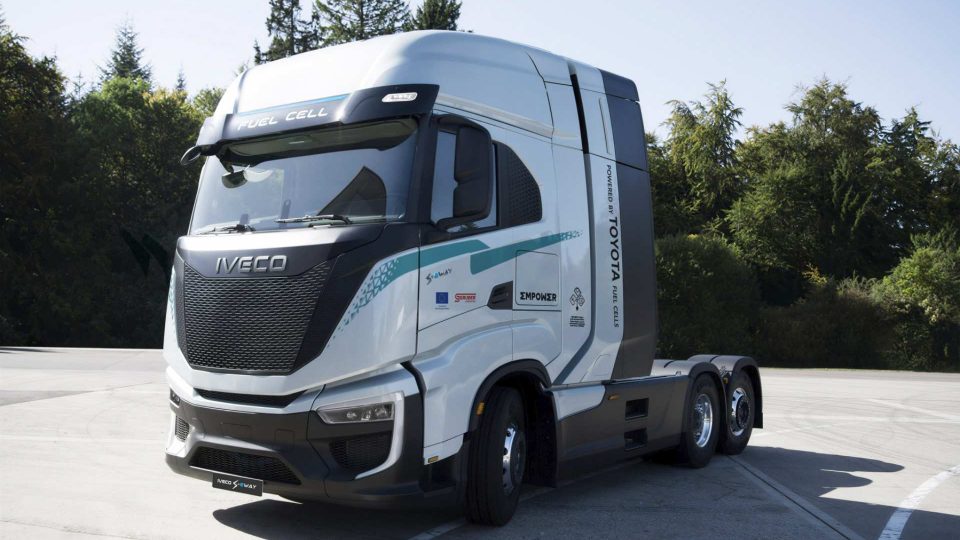
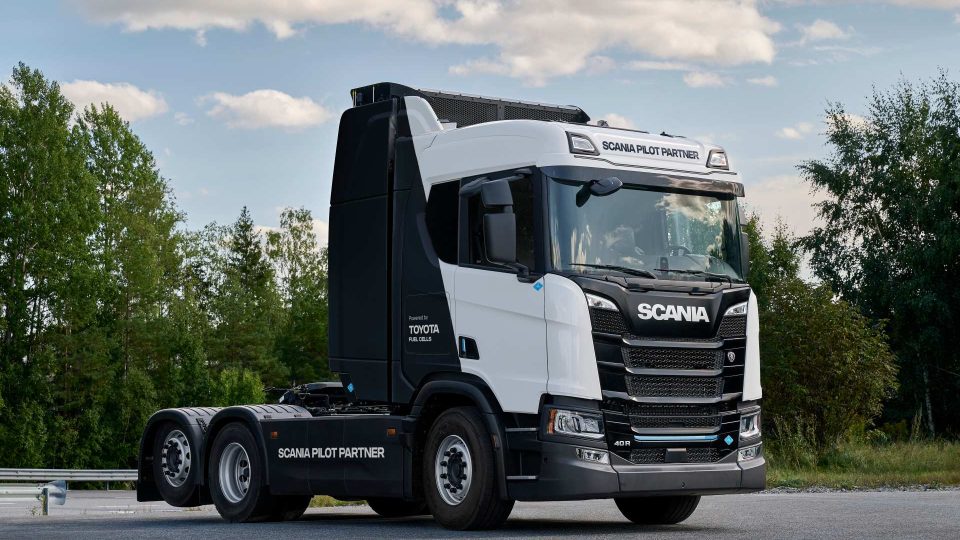
At European level, dedicated support for hydrogen truck deployment has remained comparatively limited, often focusing on demonstration projects rather than larger-scale commercial operations.
The collaboration therefore proposes that future funding should link financial support for stations directly to commitments to deploy hydrogen-powered trucks.
Netherlands and Germany provide possible models
H2Accelerate points to two national programmes as examples of a more coordinated approach.
In the Netherlands, the SWiM programme has awarded approximately €72 million across its first two funding rounds, supporting around 600 hydrogen-powered vehicles, including 500 trucks, and 15 new or expanded refuelling stations.
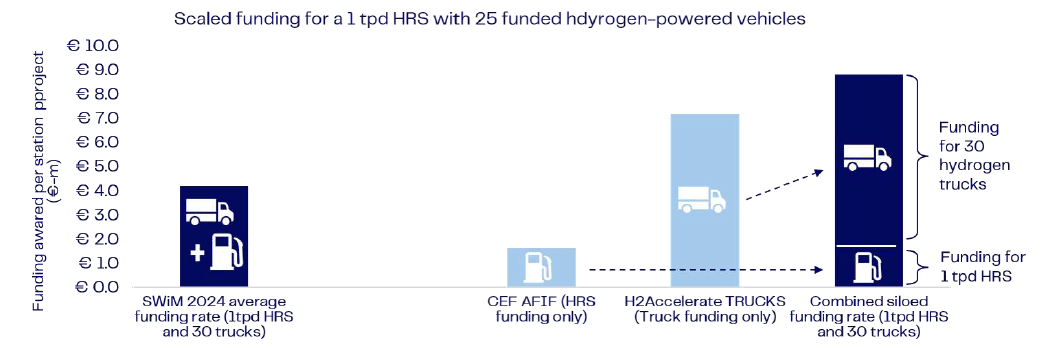
Germany introduced a similar combined funding scheme in January 2026, with a budget of €220 million. According to the paper, the programme attracted funding requests exceeding €455 million, indicating substantial interest from the industry.
Both schemes require cooperation between infrastructure operators and vehicle users, helping align investment decisions with actual transport demand.
A proposal for future European funding calls
H2Accelerate recommends adapting future CEF AFIF calls, or equivalent EU programmes, to support joint applications involving truck operators and hydrogen refuelling infrastructure providers.
The proposed framework would include dedicated funding for hydrogen and battery-electric technologies, sufficient advance notice of funding calls, and flexibility regarding vehicle classes and hydrogen technologies.
The collaboration also calls for clear deployment deadlines to ensure that public support translates into vehicles entering service and operational refuelling infrastructure.
The underlying argument is that funding trucks and stations together could make public investment more effective, while reducing the commercial risks currently slowing the development of hydrogen-powered road freight in Europe.