

Truck and energy giants join forces to build a hydrogen ecosystem in Europe
Daimler Truck, Volvo Group, Toyota, Bosch, Air Liquide, TotalEnergies, TEAL Mobility and MB Energy have outlined a joint plan to accelerate hydrogen trucking in Europe. Starting from Germany, the initiative aims to coordinate vehicle deployment, hydrogen supply and high-capacity refuelling infrastructure towards 2030.
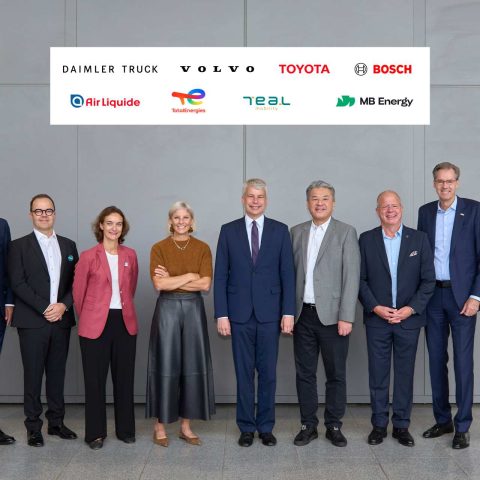
Some of Europe’s biggest truck, technology and energy companies are joining forces in an attempt to address one of the main obstacles facing hydrogen-powered heavy-duty transport: vehicles, fuel supply and refuelling infrastructure need to scale at the same time.
At IAA Transportation 2026, Daimler Truck, Volvo Group, Toyota Motor Corporation, Bosch, Air Liquide, TotalEnergies, TEAL Mobility and MB Energy outlined plans to develop an integrated hydrogen ecosystem initially centred on Germany, with the ambition of using the German model as a basis for broader deployment across Europe.
The initiative covers both fuel-cell and hydrogen combustion trucks, as well as the production, distribution and retailing of hydrogen. The companies argue that coordinated deployment across the entire value chain will be necessary to make hydrogen trucks commercially viable, particularly in applications requiring long range, high payloads, rapid refuelling and operational flexibility.
Trucks and infrastructure to scale together
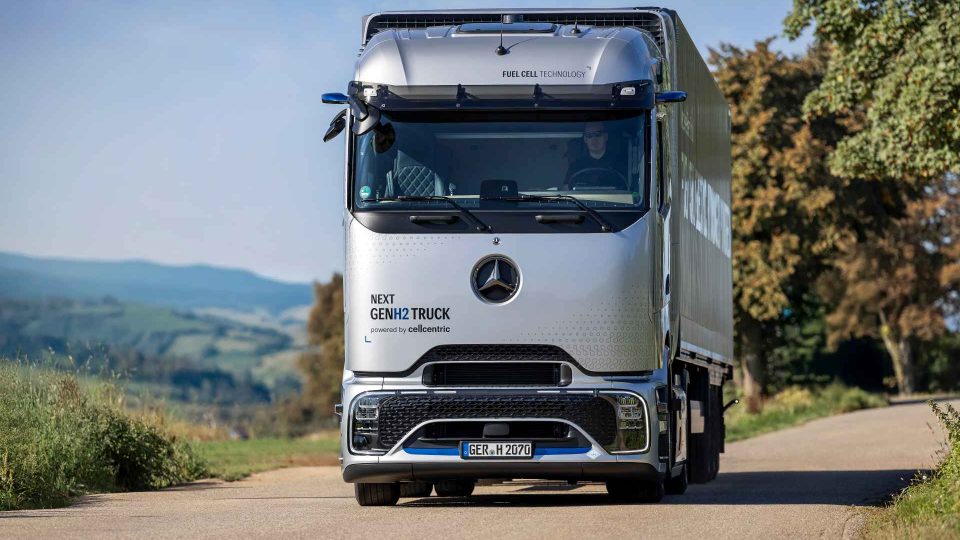
On the vehicle side, Daimler Truck says customers have already covered almost 600,000 km with its fuel-cell trucks. The manufacturer plans to put a small series of 100 next-generation fuel-cell trucks into customer operations from the end of 2026, while its first hydrogen combustion trucks are being prepared for market introduction in 2027.
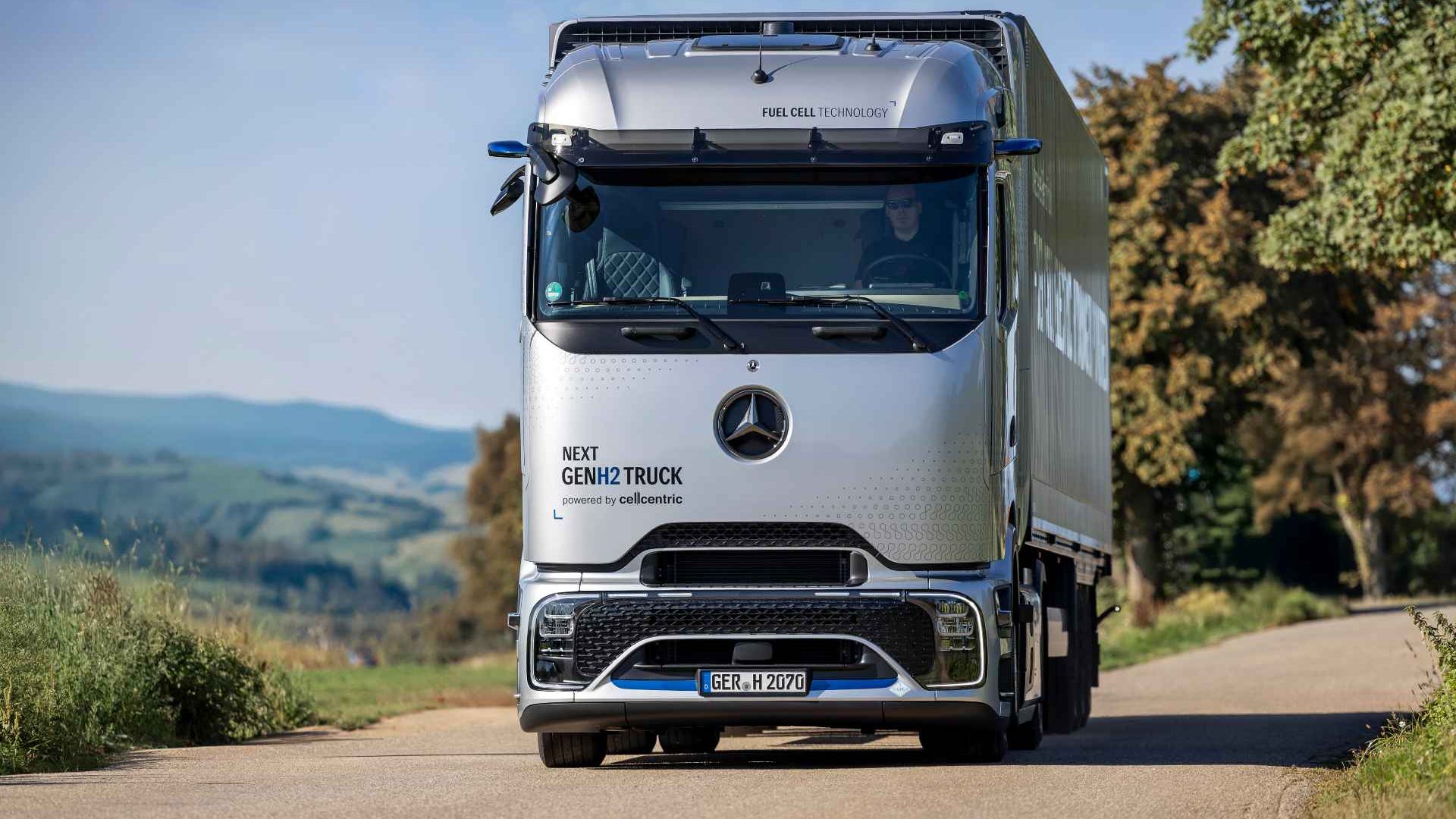
Daimler Truck says it will invest a mid-three-digit million euro amount in hydrogen trucks by the end of the decade.
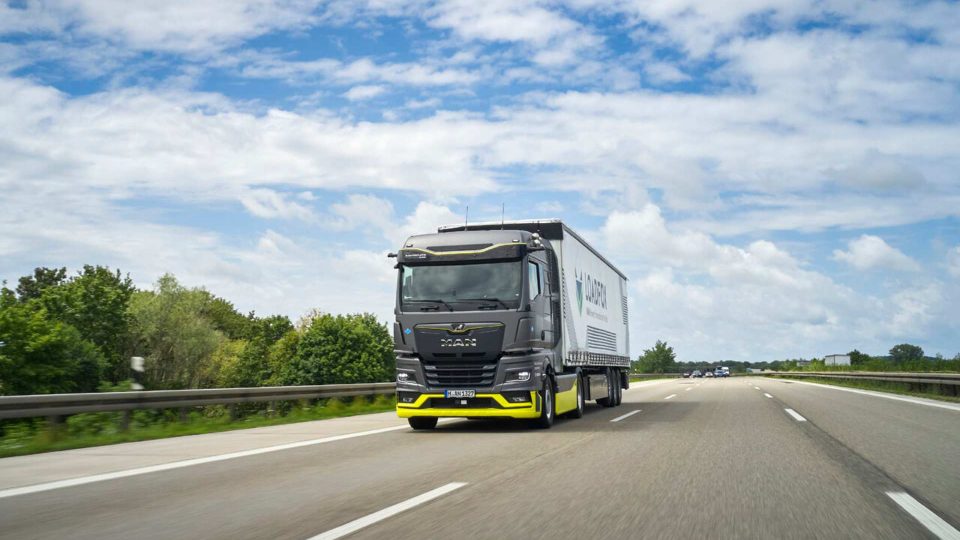
Volvo Group is pursuing both fuel-cell and hydrogen combustion technologies and is targeting market deployment towards 2030.
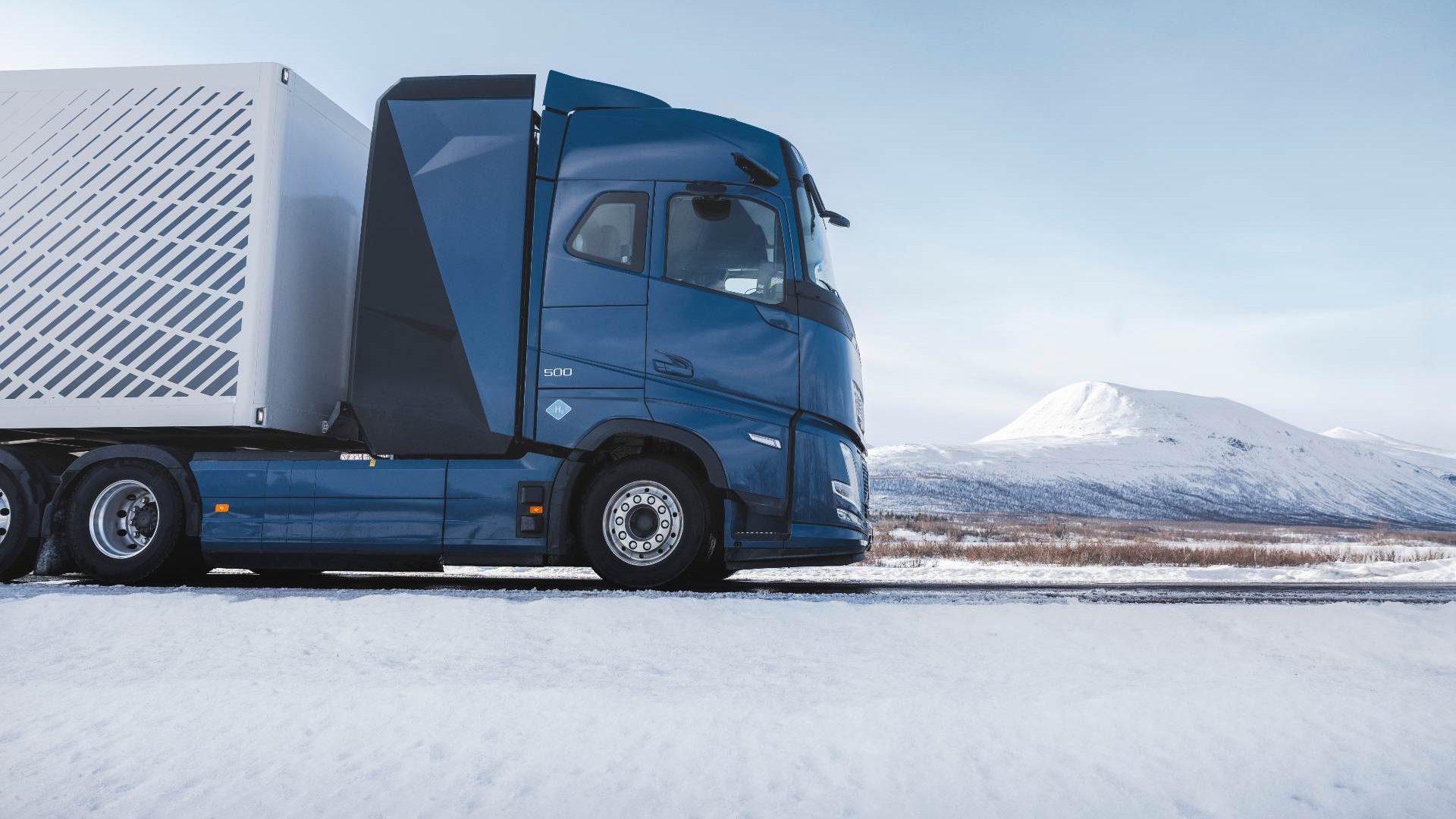
Toyota will participate primarily as a technology partner, drawing on its fuel-cell development activities, while Bosch will provide vehicle components and refuelling technologies for both gaseous and liquid hydrogen. Bosch says its fuel-cell system has already accumulated more than 30 million kilometres of on-road operation.
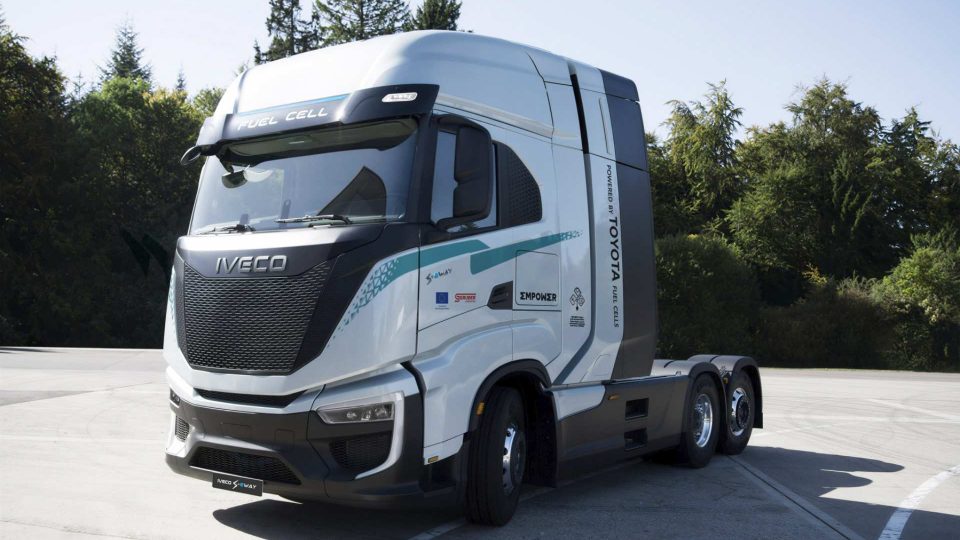
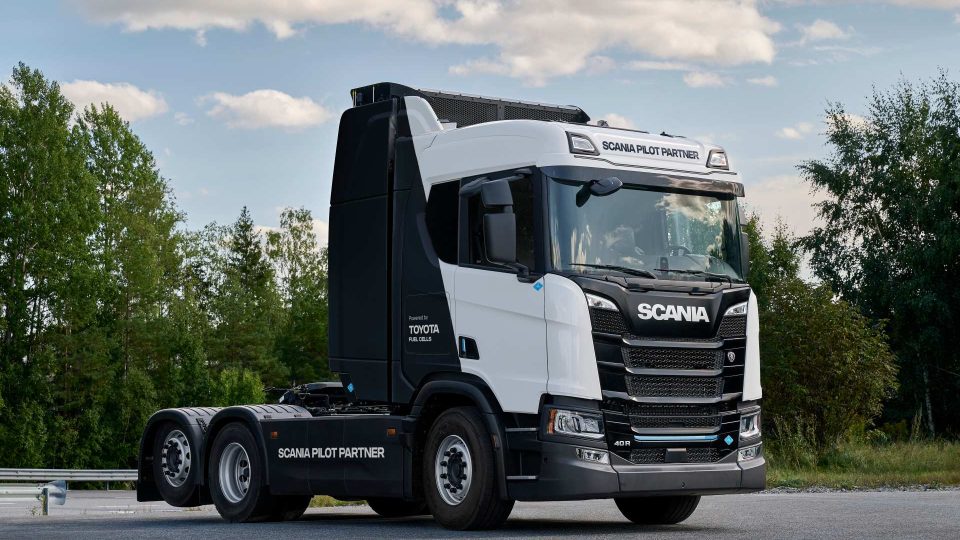
Toyota’s role is particularly noteworthy in light of its other recent moves in the European heavy-duty sector. The Japanese manufacturer has agreed to supply its third-generation fuel-cell technology for 40 Scania heavy-duty trucks, with the first vehicles expected in early 2027, and is also working with IVECO on two 44-tonne fuel-cell truck prototypes under the EU-funded EMPOWER project.
Hydrogen stations for up to 100 trucks per day
The other half of the equation concerns fuel and infrastructure. Daimler Truck and Volvo Group are working with Air Liquide, TotalEnergies and MB Energy on hydrogen supply, while MB Energy and TEAL Mobility – the 50/50 joint venture between TotalEnergies and Air Liquide – are involved on the retail infrastructure side.
The partners intend to develop both liquid and gaseous hydrogen supply chains, including large, high-throughput refuelling stations capable of serving up to 100 trucks per day.
The objective is to deploy refuelling capacity along strategic transport corridors in coordination with the number and location of hydrogen trucks entering operation, rather than developing the two sides of the market independently.
Cost remains another central issue. The companies acknowledge that hydrogen will have to become competitive with diesel if fleet operators are to adopt the technology at scale. Their proposed approach combines larger vehicle production volumes and incentives, infrastructure utilisation and the development of a more competitive hydrogen supply.
Germany as a starting point for a European hydrogen network
The partners see Germany as the initial deployment model, supported by German authorities and existing European regulation and infrastructure policies. Extending the approach to other countries, they argue, will require coordinated support from national governments and the European Commission.
The initiative is based on the companies’ view that hydrogen can complement battery-electric trucks, particularly in heavy-duty applications where range, payload and fast refuelling are critical.
Whether the model can achieve the scale and hydrogen prices required by fleet operators will ultimately depend on how quickly vehicles, infrastructure and fuel supply develop in parallel. What emerged in Hannover, however, is an attempt by some of Europe’s largest industrial players to tackle those elements as one interconnected system rather than three separate challenges.