
Japanese alliance (with very big brands) is working on hydrogen engines for heavy-duty trucks
Isuzu, DENSO, Toyota Motor Corporation, Hino and Commercial Japan Partnership Technologies Corporation (CJPT) have started planning and foundational research on hydrogen engines for heavy-duty commercial vehicles with the aim of further utilizing internal combustion engines as one option to achieve carbon neutrality.
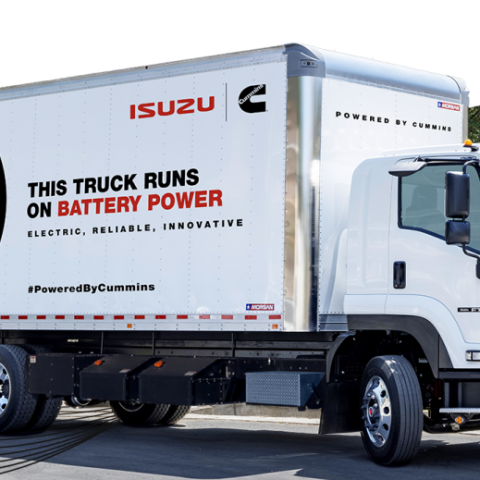
The idea of developing hydrogen engines for heavy-duty trucks is getting increasingly popular. to only in Europe, apparently, as a very relevant Japanese company alliance is laying foundations for research and development of hydrogen-powered engines. Indeed, Isuzu, DENSO, Toyota Motor Corporation, Hino and Commercial Japan Partnership Technologies Corporation (CJPT) have started planning and foundational research on hydrogen engines for heavy-duty commercial vehicles with the aim of further utilizing internal combustion engines as one option to achieve carbon neutrality.
Hydrogen engines for trucks: the technology is evolving
The main concept is that hydrogen engine technology is evolving. At the same time, efforts toward achieving a hydrogen society are further accelerating, such as the increase in the number of partners in producing, transporting, and using hydrogen. Only a few days ago, Iveco Group CEO Gerrit Marx admitted that FPT Industrial, part of the Iveco Group, is also considering such option.
According to the Japanese companies, CO2 reduction in transportation and logistics by heavy-duty commercial vehicles, an important piece of infrastructure that supports people’s lives, is a social issue that needs to be addressed together with partners who share a common vision toward achieving a carbon neutral society. Isuzu, DENSO, Toyota, Hino, and CJPT believe that hydrogen engines are one solution to this issue, and will utilize the technologies and know-how each company has accumulated to study the potential of hydrogen engines in heavy-duty commercial vehicles.