
Two more Lion Electric utility e-trucks soon at work in the East Coast
A Lion8 bucket truck for line crews and a Lion6 stake body truck for electrical maintenance field crews will be added to Green Mountain Power's fleet supposedly from the first half of 2022.
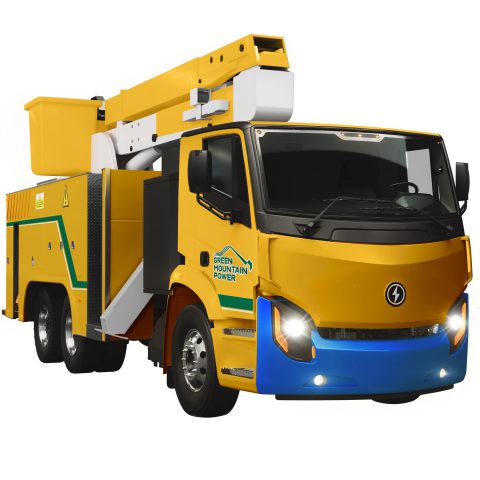
Lion Electric has announced Vermont-based Green Mountain Power will purchase two utility e-trucks, namely a Lion8 bucket truck for line crews and a Lion6 stake body truck for electrical maintenance field crews. Those trucks will be added to the company’s fleet supposedly from the first half of 2022. Such a purchase follows a very relevant order announced back in April: 100 all-electric trucks (among Lion6 and Lion8 models) addressed to Pride Group Enterprises in Canada.
According to the Canadian manufacturer, which is also working on a new battery manufacturing facility in Quebec, adopting electric trucks «creates savings for operators, including reduced maintenance costs by up to 60%, and energy costs by up to 80%. Additionally, the bucket truck and its auxiliary systems run entirely off the vehicle’s battery pack, eliminating emissions and noise pollution. The bucket truck has a range of 130 miles, the stake truck can go 200 miles on a charge».
Lion Electric can build 2,500 e-trucks a year
Over the last decade, Lion has established itself as a benchmark in the zero-emission heavy-duty vehicle industry, having delivered over 390 all-electric heavy-duty vehicles in North America with over 7 million miles driven since 2016. All of Lion’s vehicles are purpose-built for electric propulsion from the ground up, and are manufactured at Lion’s North American facility, which has a current capacity to produce 2,500 electric trucks per year.
Statements from both the companies involved
«As a clean energy leader, Vermont is a great example of how to integrate sustainable energy and electrified transportation, which is key to creating a successful sustainable society and economy in the future», said Marc Bedard, CEO and Founder of Lion Electric. «With reduced emissions and noise pollution, these trucks will eliminate emissions in the communities where they operate while saving on fleet costs, and we look forward to growing our relationship with GMP in the future».
«Electrifying our heavy-duty field operations fleet to reduce carbon emissions as we travel the state keeping the lights on and building a more resilient grid is a critical next step in our work to eliminate fossil fuels from our operations», commented Mari McClure, president and CEO of Green Mountain Power. «Transportation with fossil-fueled vehicles is the top source of carbon emissions in Vermont and we’re proud to start the process of converting our line truck fleet to clean electric trucks».