
MAN to keep on working on autonomous Hamburg TruckPilot project
Among the main targets of he three-year project is the the development and practical testing of an autonomous truck in container handling at the HHLA Container Terminal Altenwerder.
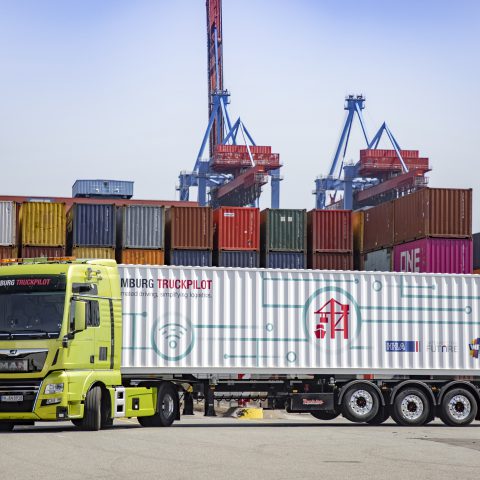
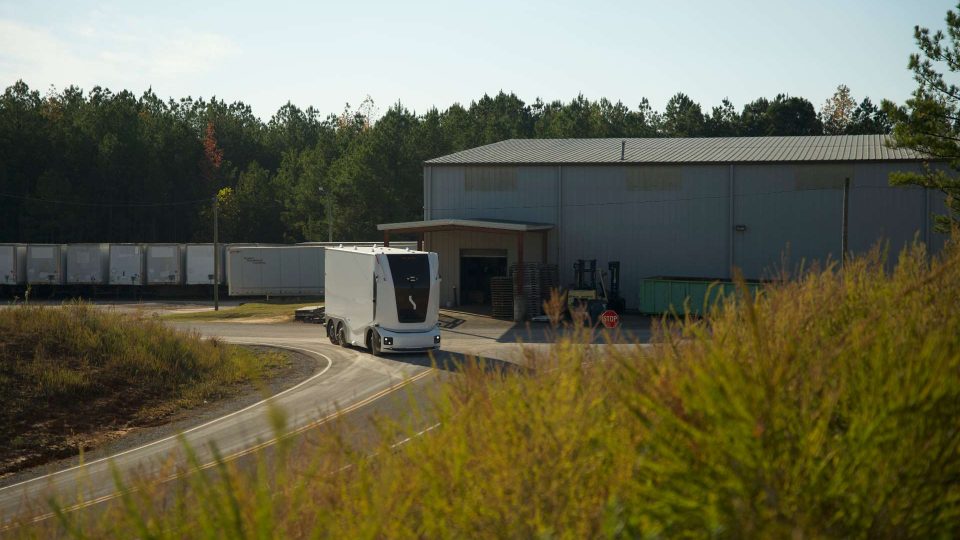
MAN Truck & Bus and Hamburger Hafen und Logistik AG (HHLA) have successfully completed the joint project Hamburg TruckPilot for the use of self-driving trucks in port terminals. Among the main targets of he three-year project is the the development and practical testing of an autonomous truck in container handling at the HHLA Container Terminal Altenwerder.
Hamburg TruckPilot project, the tests on trucks
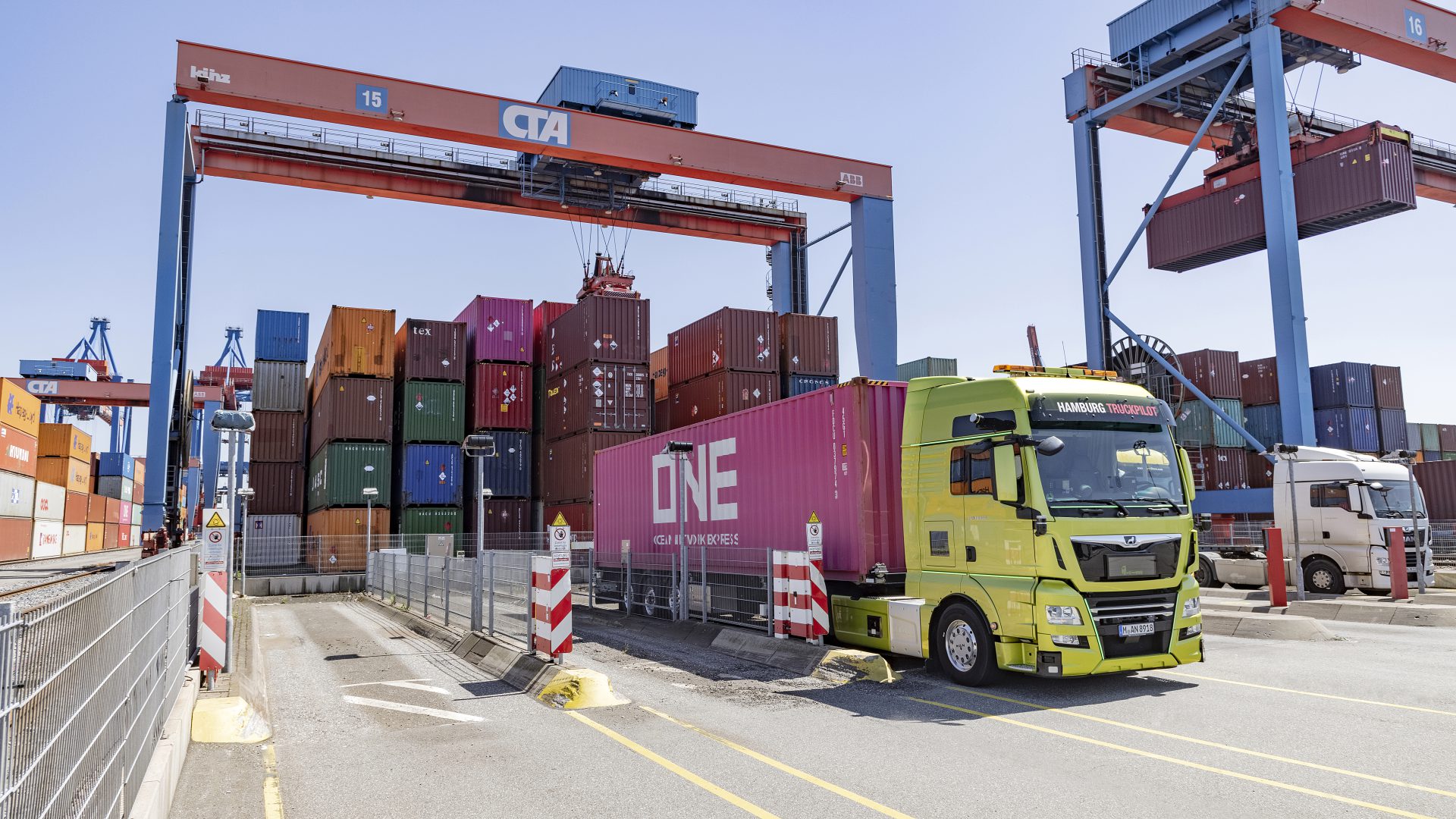
During the practical trips, the logistics partner, Spedition Jakob Weets e.K. from Emden, first transported 40-foot containers controlled by a driver on behalf of Volkswagen Group Logistics to the CTA terminal in the Port of Hamburg. There, the truck drove autonomously across the terminal area and moved smoothly in mixed traffic with other road users. It drove to its destination in the block storage lane and also manoeuvred itself backwards with high precision into the parking position. After container handling, the return journey to the check gate was just as autonomous, and beyond the terminal grounds, the driver of the Jakob Weets e.K. haulage company once again took full command.
Logistics 4.0 offers opportunities on a global scale. To use them, we have to be open to change and show the courage to change. Autonomous driving and Hamburg TruckPilot are good examples of transformative processes that we want to actively shape
HHLA CEO Angela Titzrath
«Pilot projects like Hamburg TruckPilot prove that the use of self-driving trucks is technologically feasible and can be efficiently integrated into logistics processes», said Frederik Zohm, MAN Board Member for Research and Development at the ITS World Congress 2021 in Hamburg. «Autonomous driving will be a game changer in transportation. In close cooperation with customers and partners, we are testing practical automation solutions with the aim of getting self-driving trucks ready for series production from 2030», he added.
Germany as a driver of innovation
In July 2021, the Federal Republic of Germany became the first country ever to pass a law on autonomous driving. This regulates and generally permits the use of autonomous vehicles (Level 4) in defined operational areas, such as traffic between logistics terminals. A technical supervisor must also monitor the journeys.
For freight transport, autonomous trucks bring a whole range of advantages. They have the potential to make transport more efficient, cost-effective, reliable, sustainable and, above all, safer. For Container Logistics 4.0 and Industry 4.0, self-driving trucks represent an important element. They are also a solution to the driver shortage that is increasingly causing problems for many transport companies.