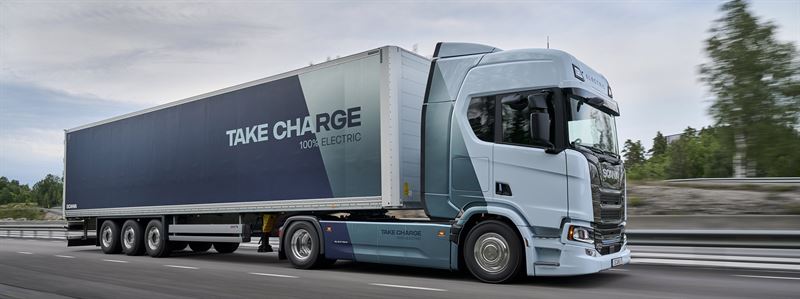


Here’s how Scania promotes circular economy with biomethane for waste collection in São Paulo, Brazil
The remarkable thing is that this story deals with an imaginative partnership that embodies the concept of a circular economy. In fact, waste produced by local residents returns to the productive cycle as a clean energy source to feed the trucks. About 80 biomethane trucks have already been delivered.
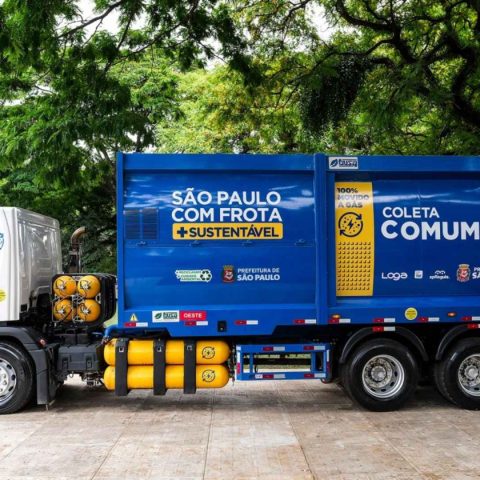
In the Brazilian metropolis São Paulo, the most populous city in the Americas, urban sanitation company Loga (Logística Ambiental de São Paulo) is turning landfill waste into the fuel that propels the fleet of Scania trucks it uses to collect household refuse. All this was summarized in an online article published by Scania itself.
The remarkable thing is that this story deals with an imaginative partnership that embodies the concept of a circular economy. In fact, waste produced by local residents returns to the productive cycle as a clean energy source to feed the trucks. “For Loga, being part of this project is a source of pride and reaffirms our commitment to helping São Paulo become one of the most sustainable cities in the world,” said Domênico Barreto Granata, CEO of Loga.
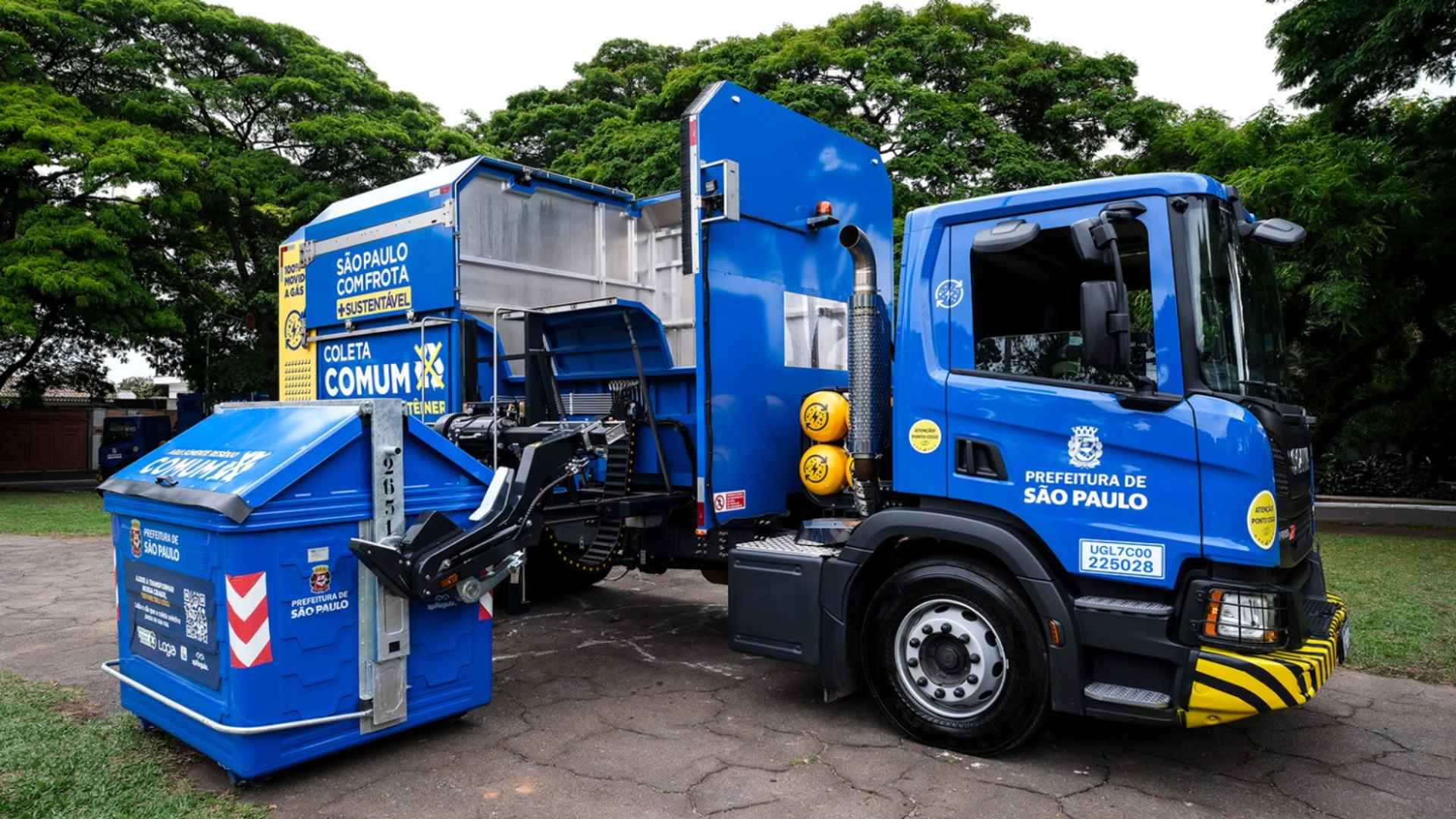
Scania relying on biomethane for circular economy project in Brazil
“We have already delivered more than 80 vehicles powered by cleaner energy, including trailers, mechanised and conventional collection trucks, support units, and electric tricycles. The new equipment represents a technological leap and enables a significant reduction in carbon dioxide emissions. Each delivery reinforces this progress, and we are already seeing a substantial decrease in emissions thanks to a cleaner, quieter and more efficient fleet”, he added, as reported by Scania.
“Each new vehicle placed into operation eliminates the consumption of 35,000 litres of diesel per year and prevents 94 tons of CO₂ from being emitted into the atmosphere, resulting in greater efficiency, reduced environmental impact, and a service increasingly aligned with the city’s climate goals. Our commitment is to ensure that this transition takes place consistently, responsibly, and with direct benefits for the population”, added Mauro Haddad Nieri, director of SP Regula, the municipal agency in São Paulo that regulates and inspects public services delegated to private companies.
Since 2023, Loga’s biomethane-powered trucks have been running regular waste collection routes across São Paulo, demonstrating both technical and economic feasibility.