
Scania inaugurates new R&D proving ground in Sweden, investing almost 90 million euros
Scania has officially opened its new research and development proving ground in Södertälje, Sweden, representing an investment of almost 90 million euros. Sustainable Truck&Van attended the inauguration ceremony, where the manufacturer presented the facility's testing capabilities for electric vehicles, autonomous driving, active safety systems and conventional powertrains.
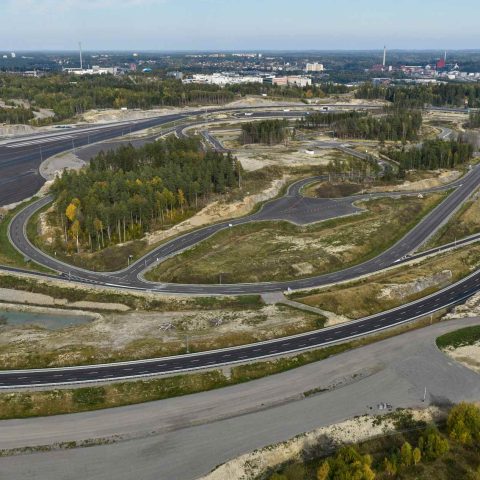
Scania has officially inaugurated its new R&D proving ground in Södertälje, Sweden, on October 19. We attended the event, which saw the presence of several Scania and Traton top managers. The facility represents a significant investment in the development of future commercial vehicles and strengthens the research and testing capabilities available to both Scania and the wider TRATON Group.
Covering approximately 85 hectares, the new testing centre includes 13 kilometres of paved roads, four kilometres of gravel roads and extensive dedicated areas for vehicle testing. Scania has invested almost 90 million euros in the project.
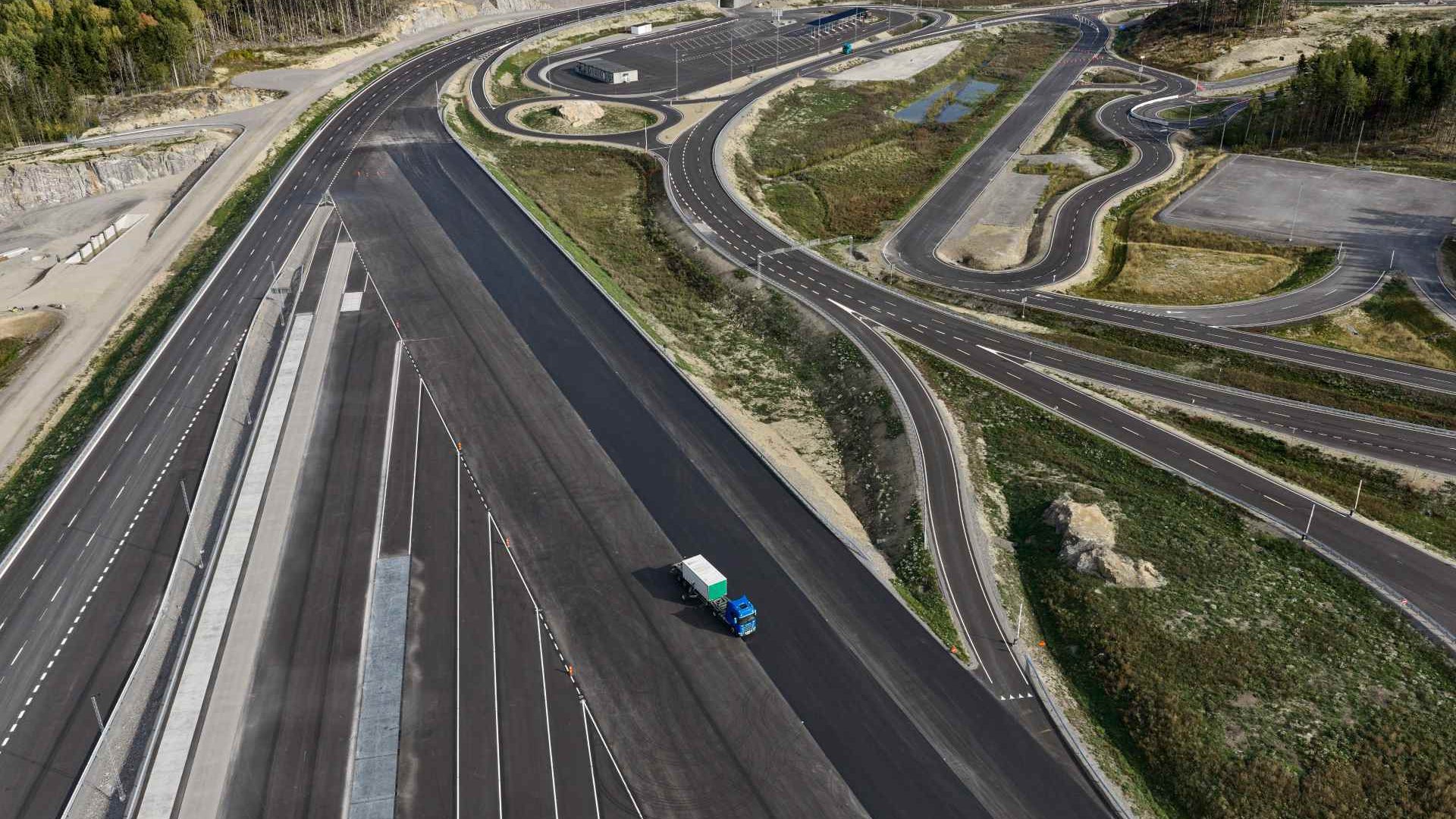
The facility has been designed to support the development, testing and validation of different transport technologies, from battery-electric powertrains to autonomous driving systems, active safety and conventional vehicle technologies.
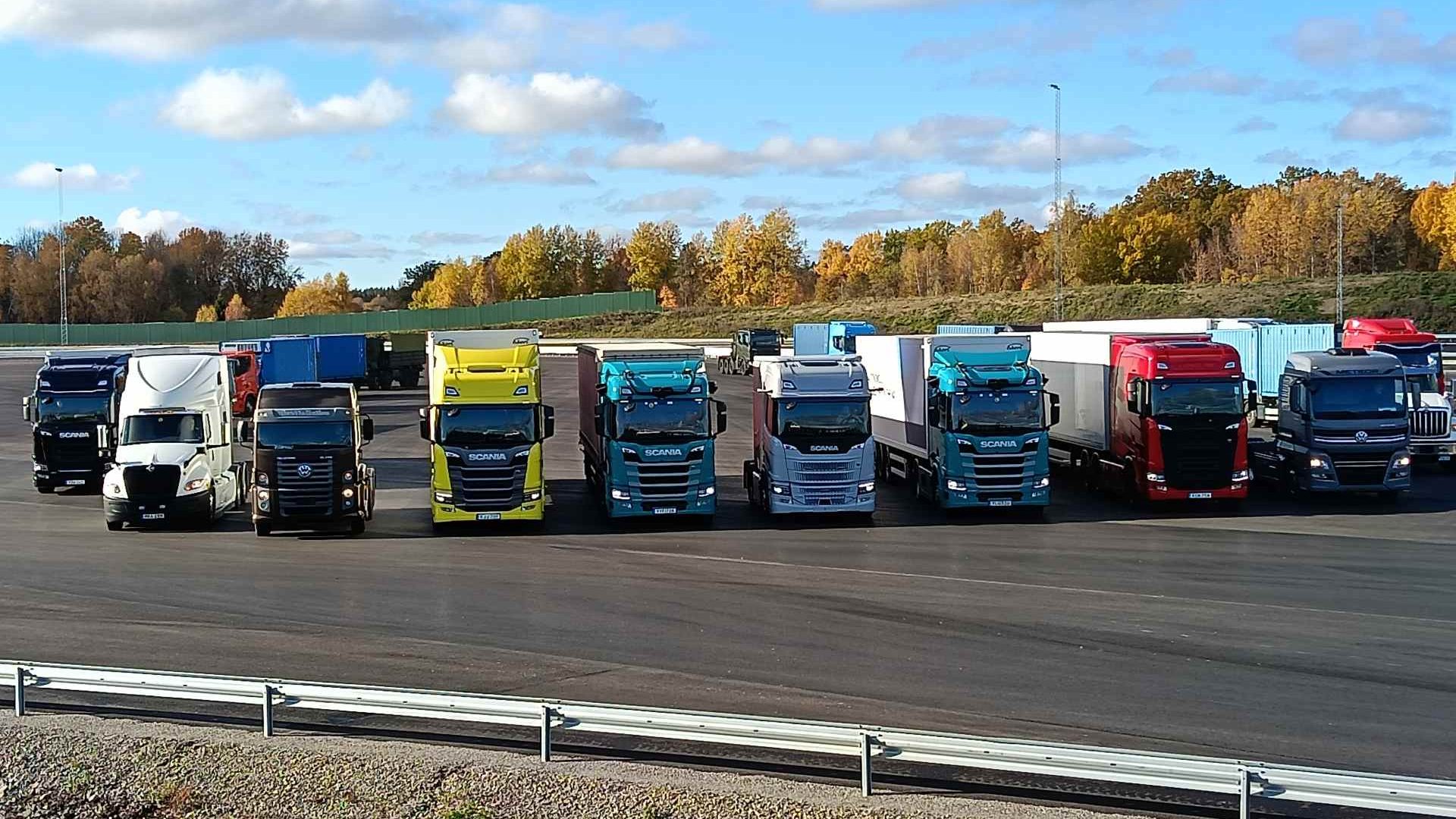
The inauguration itself reflected the purpose of the investment. Rather than holding a traditional ribbon-cutting ceremony, Scania marked the opening by sending a range of vehicles onto the new test tracks.
“The transformation of transport requires us to continuously strengthen the way we develop and validate new technologies,” said Christian Levin, President and CEO of Scania and TRATON Group.
According to Levin, the investment is intended to provide the capabilities needed to develop future technologies while ensuring that new vehicles meet customers’ expectations in terms of safety, quality and performance.
A new testing facility for electric and autonomous trucks
One of the main advantages of the new proving ground is the possibility of carrying out development activities that previously required external testing facilities.
The site includes 230,000 square metres of paved testing surfaces and approximately 54,000 square metres of gravel areas, allowing engineers to assess vehicle performance under different operating conditions.
Large, purpose-built surfaces are available for vehicle dynamics testing, while dedicated areas can be configured for advanced driver assistance systems and autonomous driving applications.
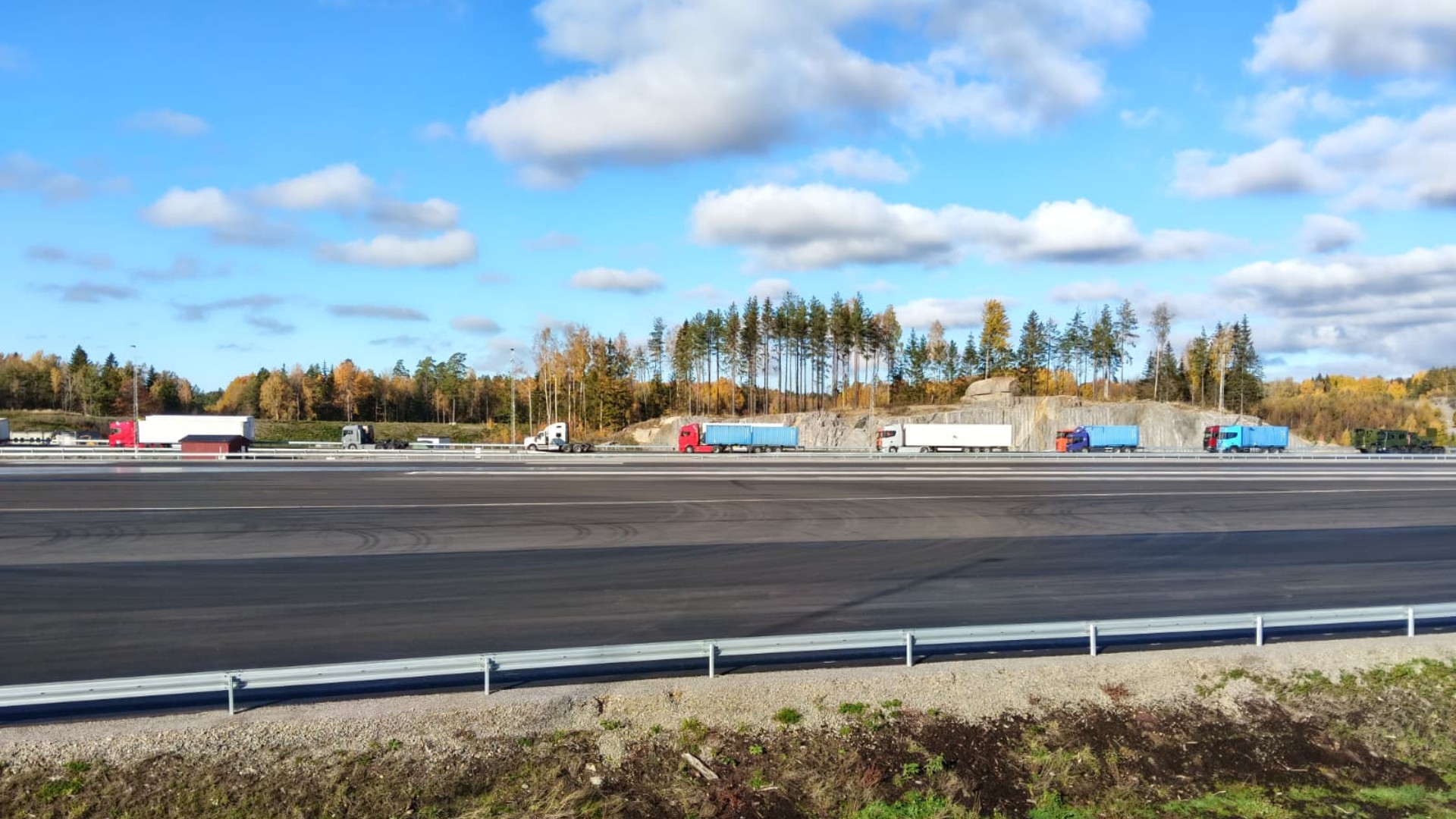
For autonomous vehicles, the infrastructure allows engineers to reproduce realistic traffic scenarios and gradually increase their complexity, supporting the development and validation of automated transport technologies.
The facility will also play a role in the development of electric trucks, where testing under repeatable conditions is essential to evaluate vehicle behaviour, performance and the integration of new technologies.
“