
IVECO launches its Model year 2026 throughout the entire range. It’s mainly a matter of enhanced ecosystem
During an international event held at the OGR in Turin, IVECO officially launched the update to its product lineup, ranging from light-duty to heavy-duty vehicles. The focus is particularly on services, with the aim of enhancing connectivity to provide drivers and fleet managers with a more integrated experience, but above all to streamline operations for transportation companies. Meanwhile, the closing of the Tata transaction is approaching and is expected by September, 2026.
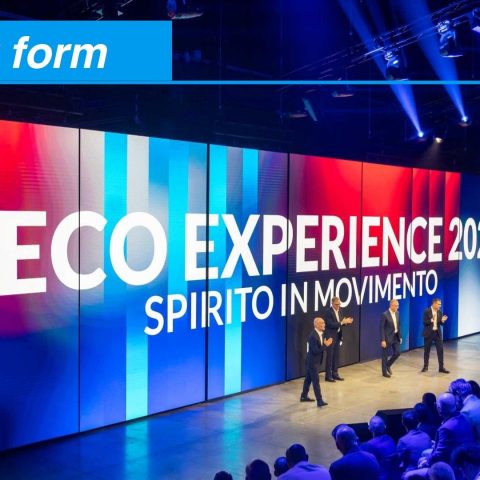
While the presentation of the 2024 model year – which took place in late 2023 in Barcelona (the one involving a billion euros in investments, to be clear) – had focused primarily on the vehicles and new features across the entire lineup, the official launch of the new era, namely the 2026 model year, centered mainly on everything surrounding the truck. “Ecosystem” was a word frequently mentioned at the OGR in Turin, a location once again chosen by the truck maker for an international event that brought together over 2,000 people during the first week of July.
After all, IVECO is currently at a crucial juncture in its history, having just marked its first 50 years and with the transfer of ownership of the Iveco Group from Exor to Tata Motors nearing completion, as confirmed by top management in Turin. The closing is expected to take place within weeks, with the end of Q3 this year serving as the deadline, until further notice. The addition of another piece to the puzzle, the new model year, also appears to signal a repositioning in the market, with a fairly clear vision expressed by Iveco Group CEO Olof Persson, who also hosted the press event.
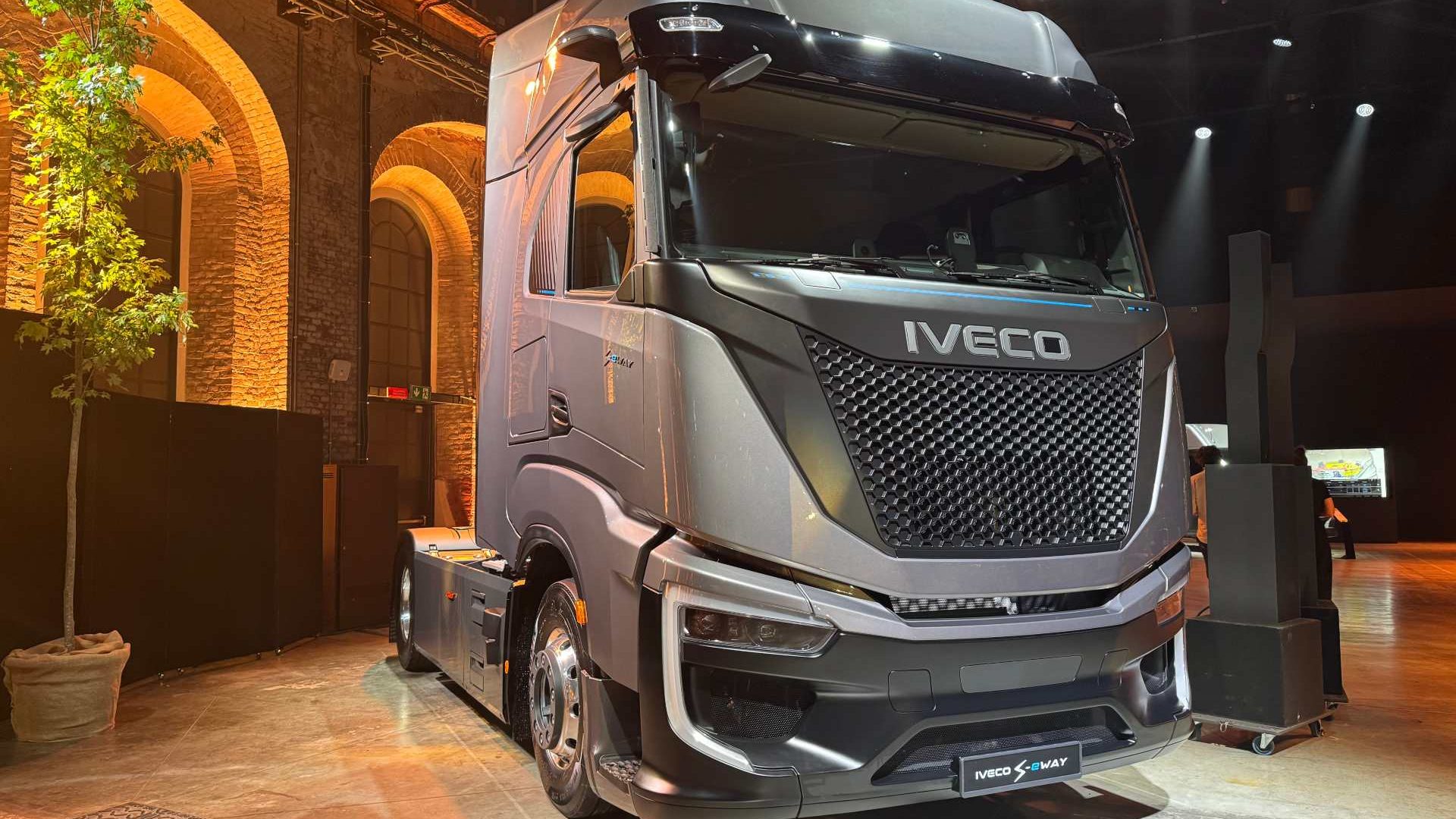
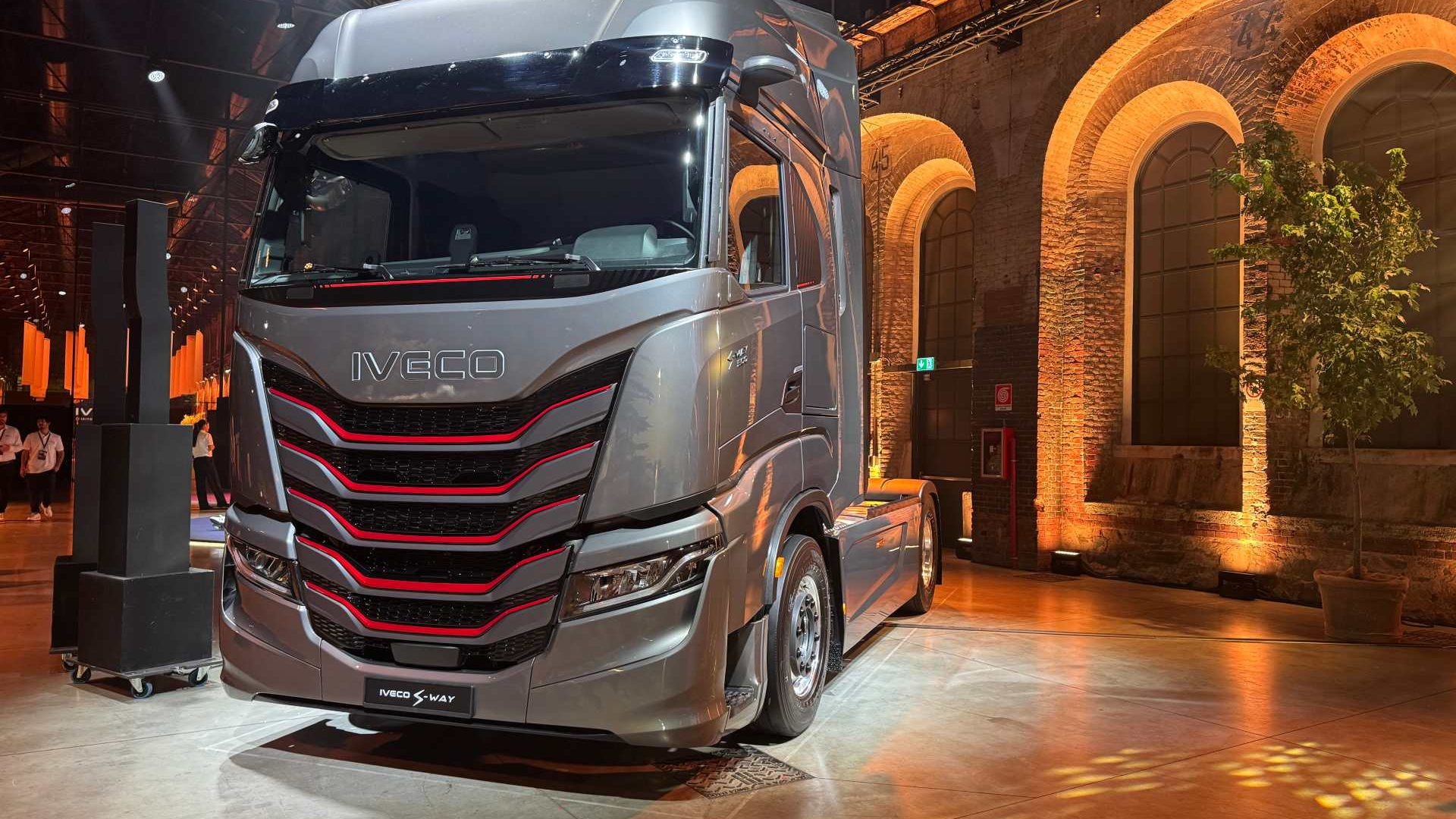
IVECO Model year 2026: the will to be perceived as a premium partner company
Another frequently mentioned term was “premium partner,” which has a very specific meaning: IVECO aims to be perceived as a reliable and efficient partner, capable of supporting customers throughout the entire vehicle lifecycle, whether it’s a truck or a van. This begins with the refinements made to the product set to be launched in 2024 – specifically in terms of reliability – and extends to the ability to identify and analyze problems with a proactive rather than passive approach, culminating in the availability of service centers throughout Italy and Europe.
“Over the past two years, we’ve focused on developing a new operating model,” summarized Persson, “and we’re confident that this will bear fruit in the near future.” Luca Sra, head of the Truck business unit at the Iveco Group, echoed this sentiment, explaining that “every single stage of a truck’s life matters” and placing his trust in the “more than 400 dealers, 2,300 service points, and over 300 centers of excellence” that make up the IVECO network. And between now and 2030, the goal is to equip workshops with new digital tools, such as augmented reality, artificial intelligence, and advanced diagnostic tools. We tested some of these right here in Turin.
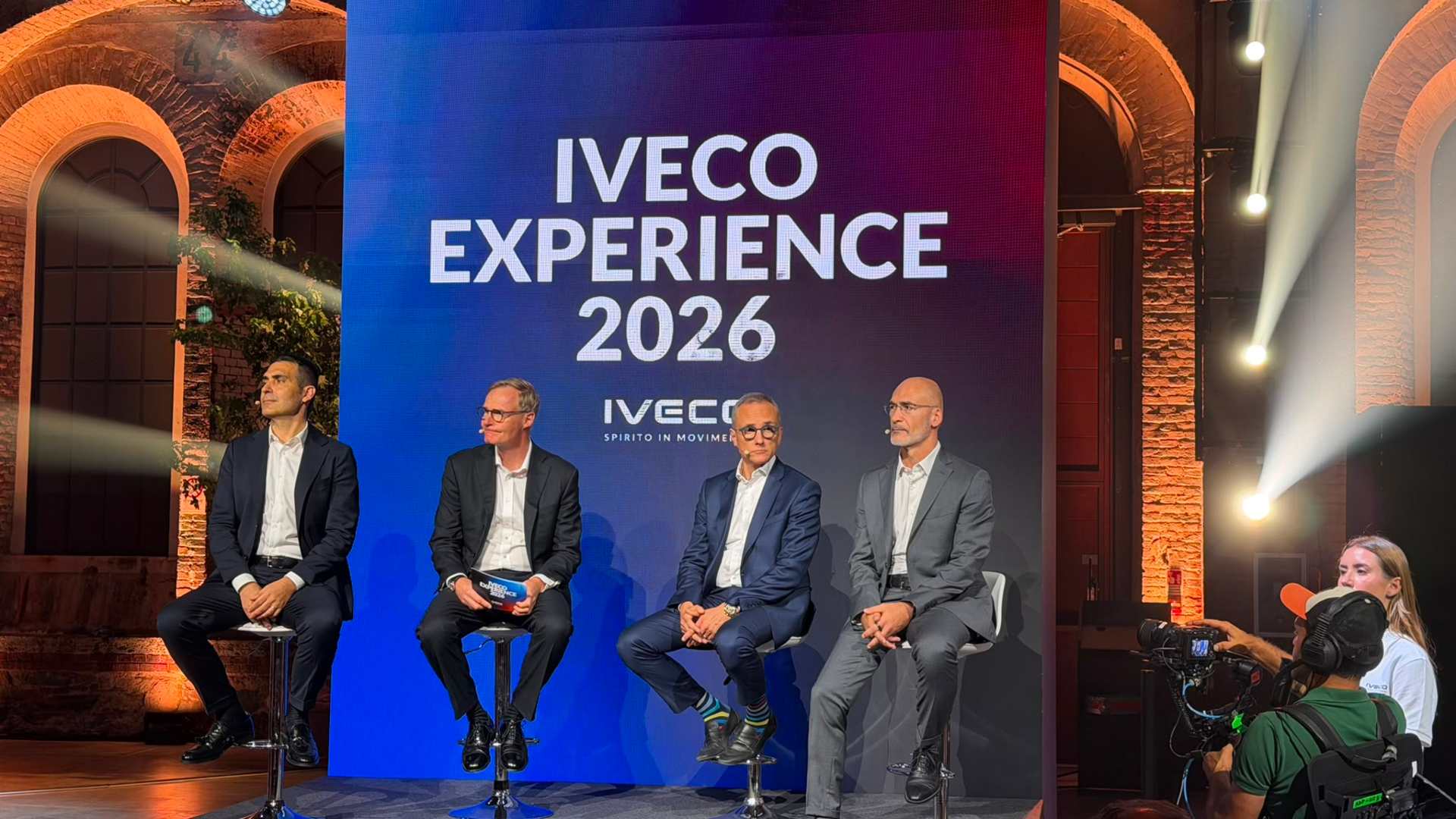
Before delving into what’s new for IVECO customers who choose the 2026 models, let’s report the highlights of the Q&A session featuring Persson, Sra, as well as CTO Marco Liccardo and Iveco Group Quality Manager, Domenico Nucera. The questions covered the deal with Tata Motors, as well as IVECO’s decision not to participate in the IAA in Hanover. This is certainly a significant signal for a group that, as we’ve said, is going through a period of transition. “We chose a different approach this year by organizing an international event like the one in Turin and involving thousands of people: this isn’t a step backward, but a decision that breaks from tradition, while still recognizing the importance of a trade show like the IAA,” the executives explained very clearly. Another topic on the table is, in fact, the desire to be recognized as a premium brand, a goal IVECO is pursuing with a particular focus on other European markets, where its market share is far lower than in Italy. But this, too, can be seen as a sign of change, especially when considering what lies beyond the product itself, as we’ve mentioned.
What’s new in the updated Model year
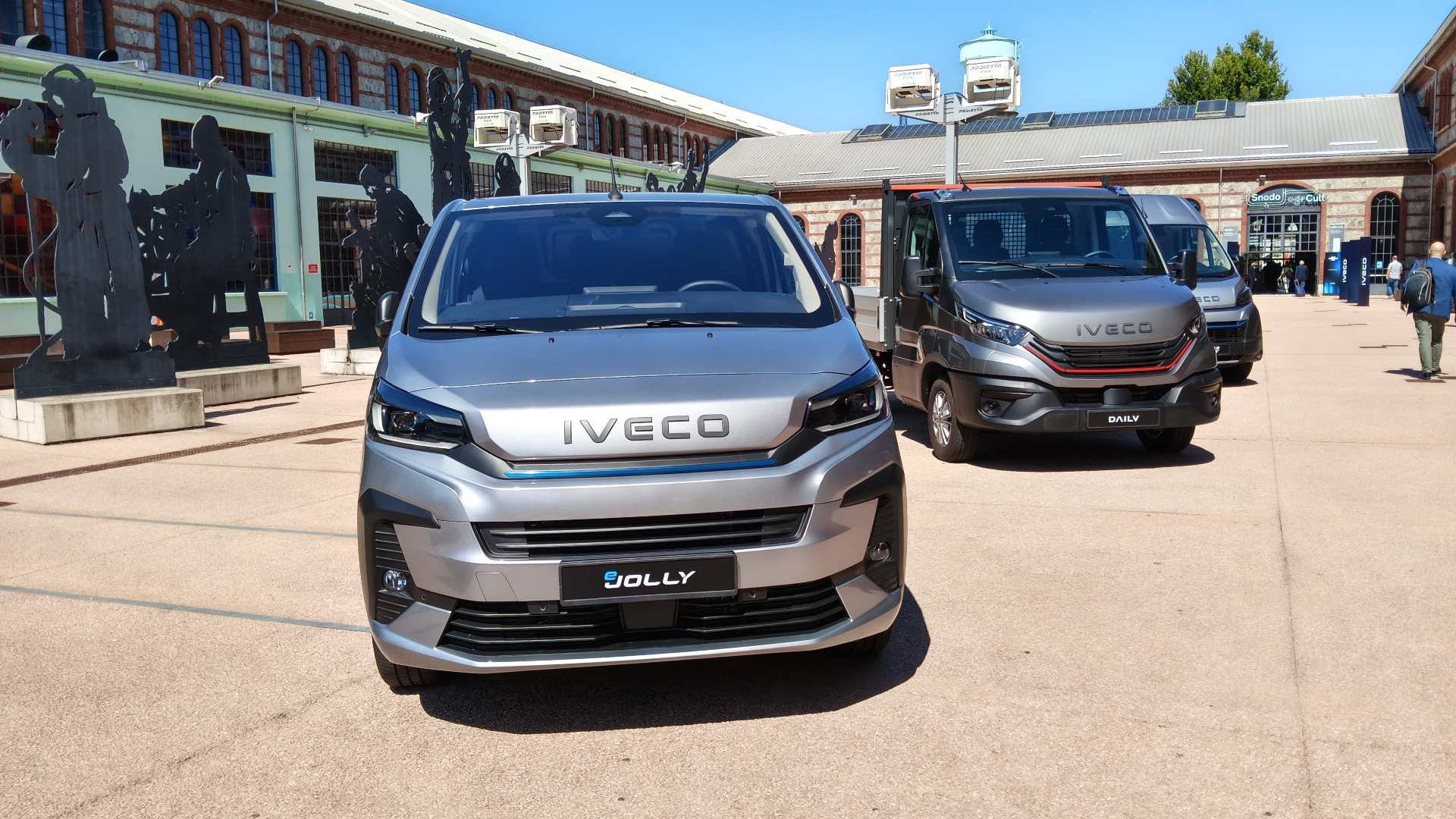
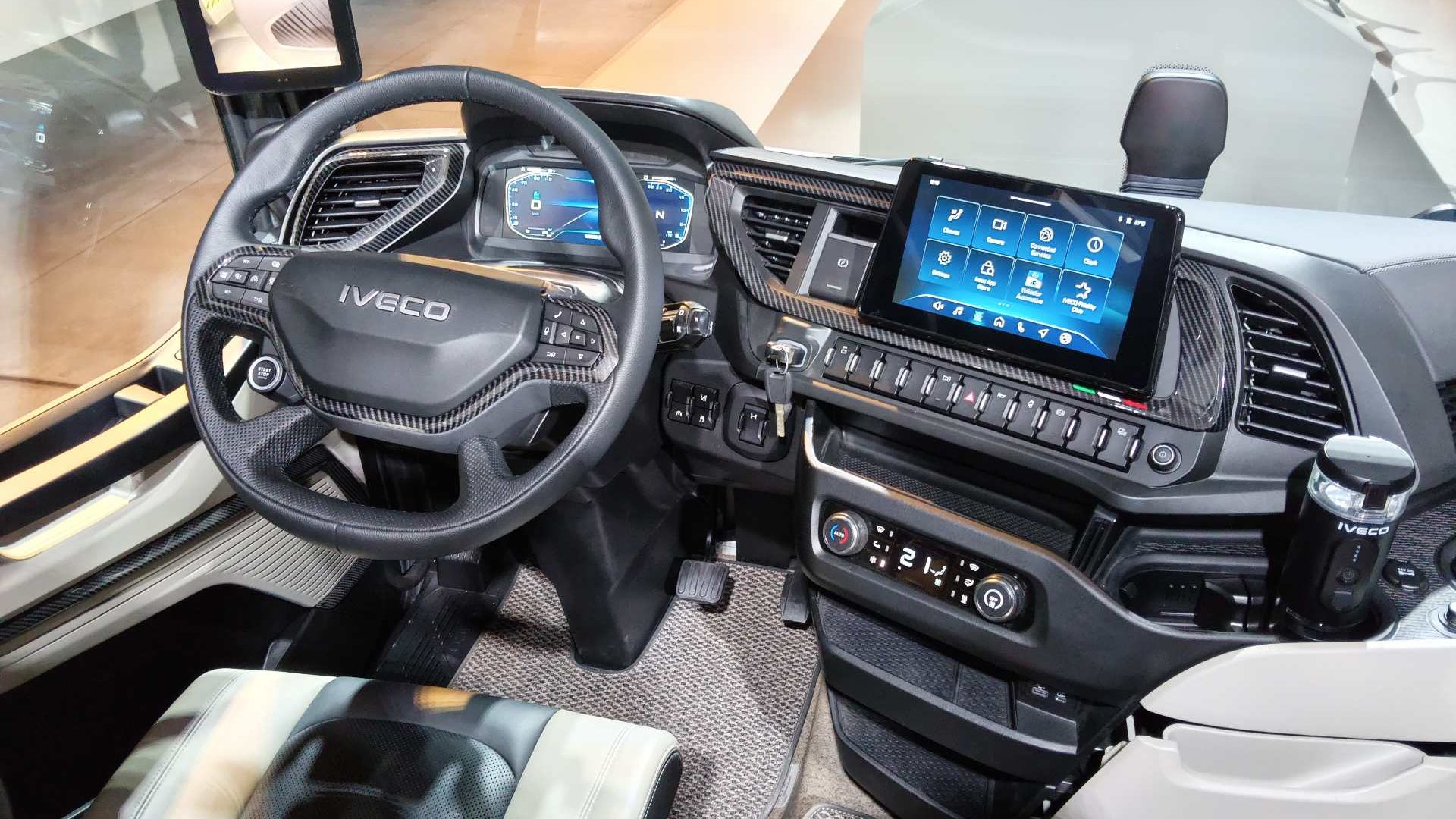
So, what’s new with the latest lineup? From an aesthetic standpoint, there’s just one distinguishing feature on the grille: red for diesel trucks, blue for electric ones. These colors stand out against the “metallic gray” chosen by IVECO for this year’s presentation. Speaking of the Way range, the cab underwent a major redesign two years ago, particularly in terms of the steering, the dashboard, and the features of the passenger seat, which can also serve as a workspace or leisure area for the driver. Key features include the compact 450-mm steering wheel, which is adjustable and can be raised vertically, the 10-inch touchscreen, and the customizable TFT cluster. Several mattress options are available across the lineup, and the possibilities for customizing the interior space have also been expanded. And beneath the infotainment screen, whose system has been enhanced to provide users with more immediate access to services, an Italian flag is displayed, which, according to IVECO, is meant to evoke our country’s historic industrial excellence.
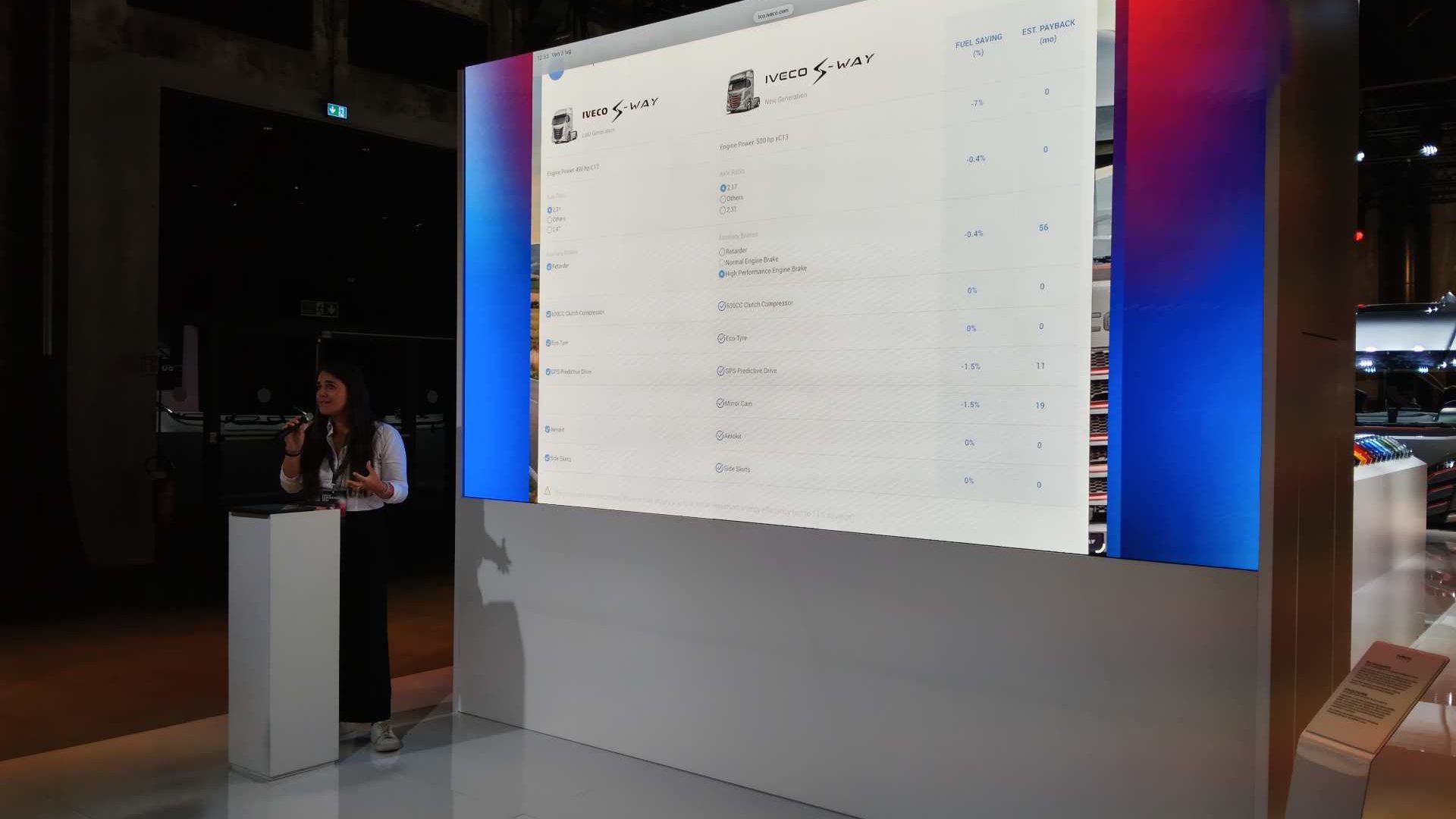
Next, we need to address the issue of connectivity, which concerns fleet managers but also, more directly, drivers. The TCO Calculator is the tool that allows you to keep a constant eye on vehicle performance and will be rolled out alongside the launch of the new lineup. It provides an easy way to monitor both data from the truck and the driver’s performance, with detailed information on the factors contributing to fuel savings, which IVECO estimates at up to 11 percent compared to the pre-2024 generation. The system developed by IVECO can calculate the savings over a five-year period.
Among the other tools IVECO has refined alongside the launch of the new generation of vehicles are the Easy apps designed for drivers, which allow them to remotely program functions – such as turning on the heating and cooling systems – perform over-the-air updates, and plan their pre-departure checklist. IVECO technicians told us that remote controls are the most frequently used feature, and very soon it will be possible to integrate navigation system data directly into the app. An example? On electric vehicles, users will be able to access a map of charging stations that are suitable, in terms of power and available space, for the vehicle’s specifications.