

WattEV to rely on 40 Tesla Semi electric trucks in 2026
“Tesla Semi is the only truck in the market that can deliver 500 miles on a single charge, with superb energy efficiency and fast charging,” said Salim Youssefzadeh, CEO of WattEV. “We’ve been future-proofing all our charging depots to allow for the transition from CCS charging to megawatt charging with MCS. Our collaboration with Tesla is another major milestone".
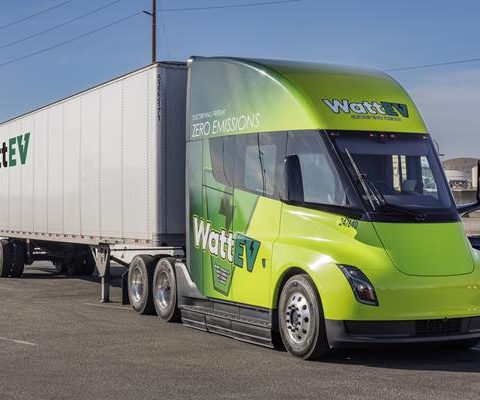
Leading provider of heavy-duty freight electrification services and facilities Watt EV apparently ordered 40 Tesla Semi electric trucks, to be deployed by 2026 at the latest. As part of the agreement, WattEV has taken delivery of two Semis to expand its freight-hauling service range in 2025.
40 Tesla Semi for WattEV
The trucks will be used at the ports of Long Beach and Los Angeles. WattEV has been leading the freight electrification market with a growing network of charging depots in California. Indeed, the company claims to close 2024 with 2 million miles of electric heavy-duty freight in Southern California.
“Tesla Semi is the only truck in the market that can deliver 500 miles on a single charge, with superb energy efficiency and fast charging,” said Salim Youssefzadeh, CEO of WattEV. “We’ve been future-proofing all our charging depots to allow for the transition from CCS charging to megawatt charging with MCS. Our collaboration with Tesla is another major milestone as we expand our network to electrify freight on more routes throughout California and beyond.”