

DAF deploys an XF 350 Electric to MartinoRossi in Northern Italy
The DAF XF 350 will be used to transport the energy byproduct of the milling process: within the MartinoRossi ecosystem, out of approximately twenty daily trips, at least three or four involve this material, which is destined for biomethane plants.
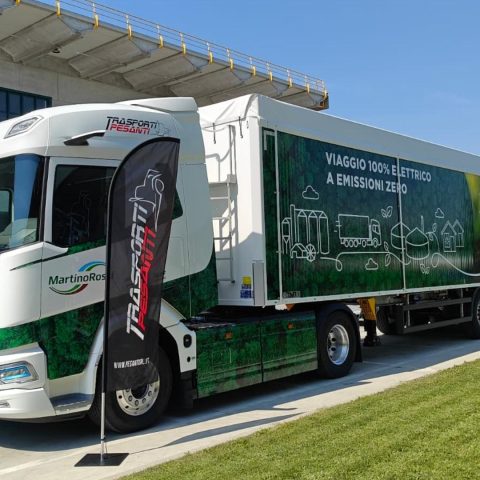
When electric becomes a reality: this is how we could summarize the essence of an all-Italian project that involved several companies, from DAF to Verdalia, including Trasporti Pesanti, which served as a sort of glue bringing the various stakeholders together, the final result of which is the addition of the first electric truck to the fleet of MartinoRossi, a Cremona-based company (then, Northern Italy) operating in the food industry that specializes in the production of gluten-free and allergen-free ingredients and products.
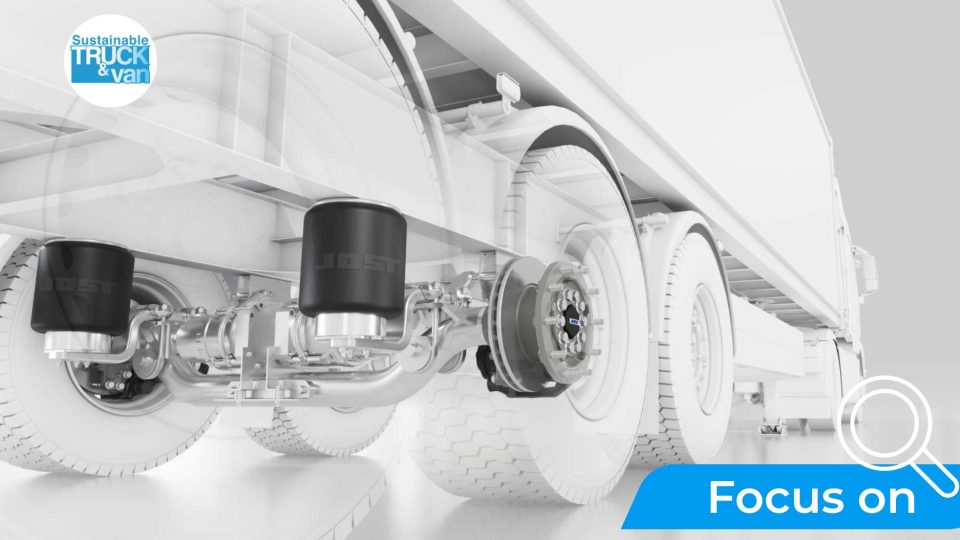
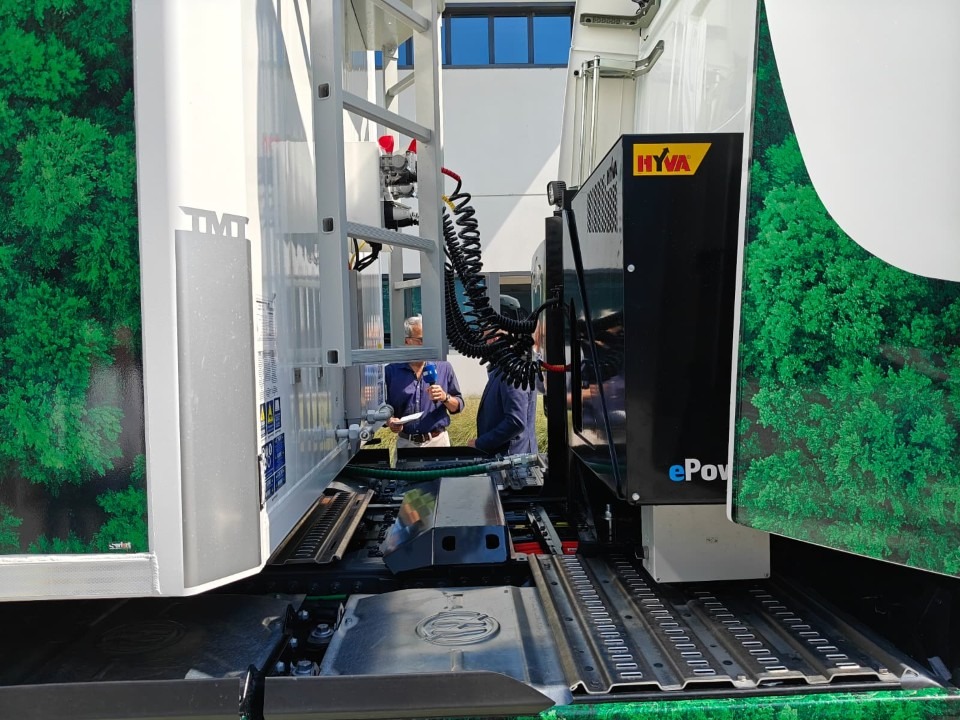
To be precise, this is a 350-kW (475-hp) DAF XF Electric that uses five battery packs and required significant chassis modifications. The battery pack located behind the cab, by reducing the usable space for the semi-trailer, inevitably led to the fifth wheel being moved backward and forced TMT to customize the moving deck. The Hyva (recently acquired by JOST) ePTO electric power take-off also played a crucial role; it is the first of its kind installed in Italy for this type of application. It powers the moving platform with low power consumption (approximately seven kilowatt-hours during use) and allows the tractor to remain compatible with various types of equipment.
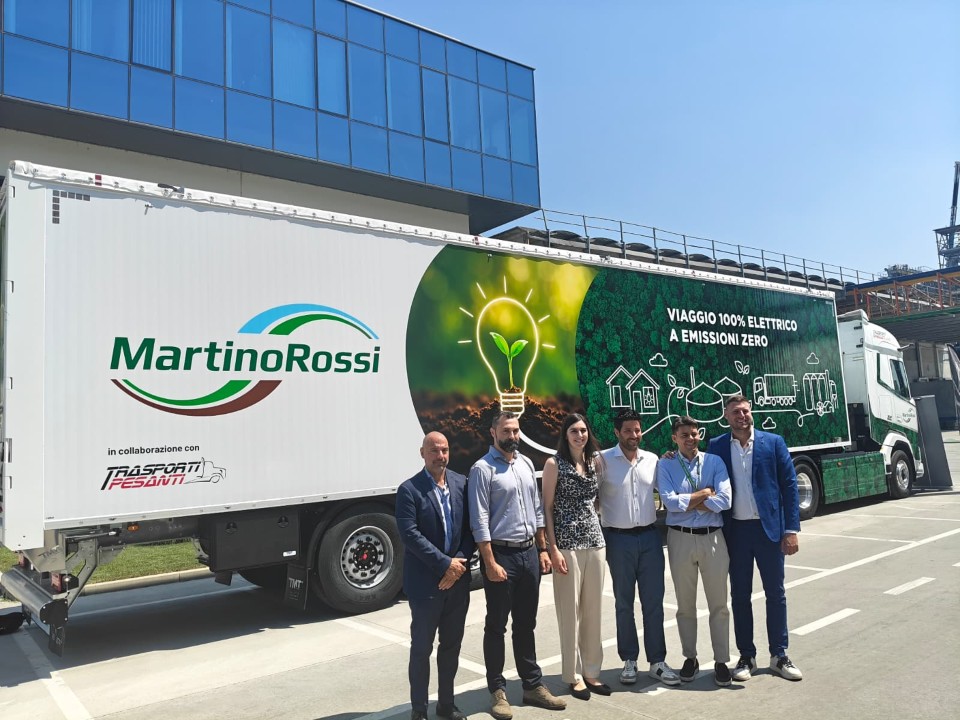
DAF XF 350 Electric headed to Cremona
A project developed and planned down to the smallest detail, built up over time through various phases. The idea, conceived by MartinoRossi’s young CEO, Stefano Rossi, initially received less-than-positive feedback: foremost among these was the opinion of Stefano Storti, General Manager of Trasporti Pesanti, who only changed his mind when, to quote him directly, “costs went down and the electric truck’s range improved.”
At that point, tests were conducted to determine whether the vehicle had all the necessary characteristics to perform the task as effectively as possible. The DAF XF 350 will be used to transport the energy byproduct of the milling process: within the MartinoRossi ecosystem, out of approximately twenty daily trips, at least three or four involve this material, which is destined for biomethane plants.
The specific use case, suitable for electric mobility
The decision to go electric stems from a specific use case: repetitive routes, customers within an average radius of about 50 kilometers, three or four trips a day, and a return to headquarters in the evening. According to shared estimates, current transportation generates about 77 grams of CO2 per metric ton-kilometer; using electric trucks can prevent about 170 million grams of CO2 per year, equivalent to 170 metric tons.
Environmental sustainability, then, but that’s not all. And this is where the energy model makes all the difference: thanks to Trasporti Pesanti, which has 5 megawatts of solar panels and has invested in a 3.6-megawatt industrial storage system, the setup is such that during the day, solar energy covers the company’s energy needs and charges the battery; at night, however, it powers the vehicle’s charging station.
And that’s how electric vehicles become sustainable from an economic standpoint as well. While it’s true that the purchase price remains a drawback, since it’s still much higher than that of diesel vehicles, it’s also true that for a project of this kind. The latter is designed with an 8- to 10-year timeframe in mind (in line with the battery warranty), so the picture changes, and the bottom line, not just in terms of sustainability, begins to look more promising.