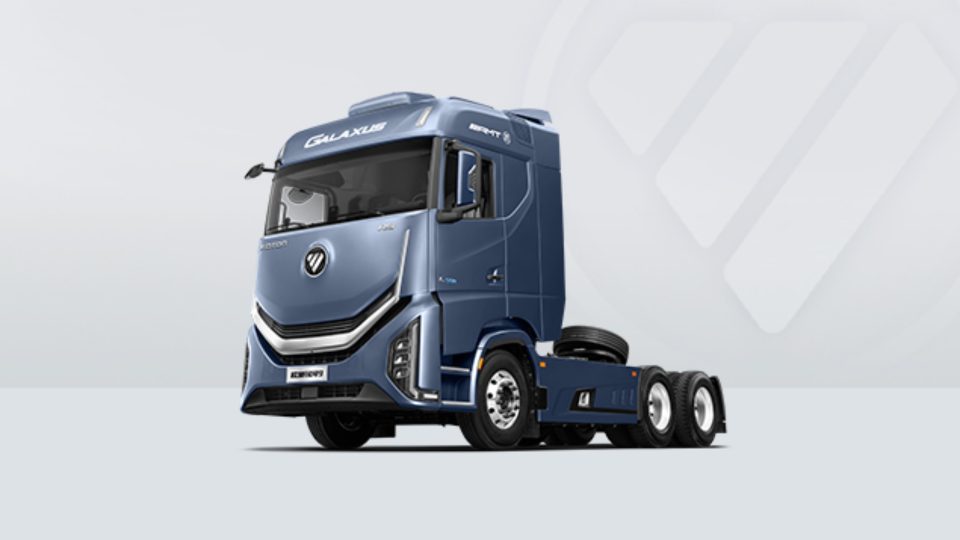


Logistics company ATC completed road tests with brand-new Windrose electric long-haul truck
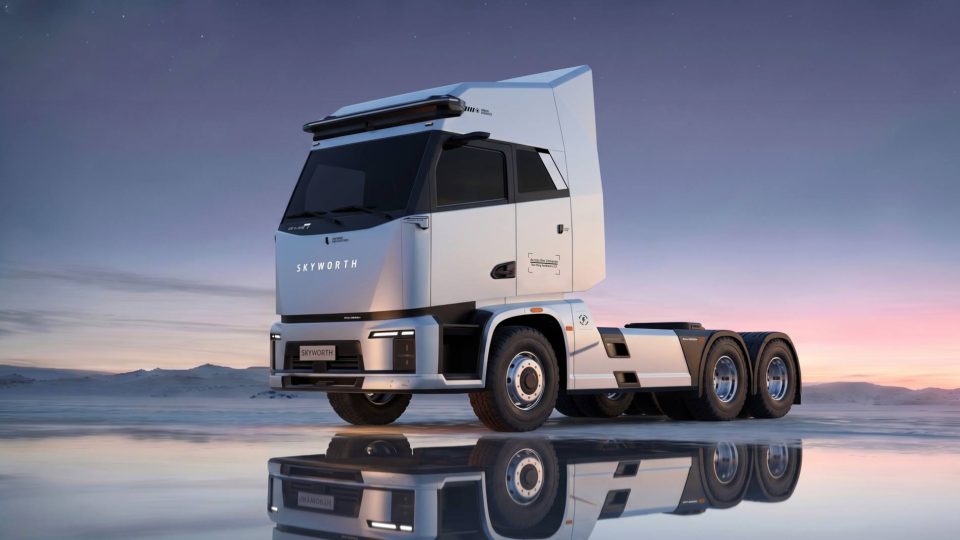
ATC Computer Transport & Logistics have successfully completed tests with Windrose electric long-haul truck. This trial, “with support from the Fleet Electrification Coalition from the Smart Freight Centre, forms part of a broader series of real-world evaluations of Battery Electric Trucks (BETs) in different configurations and across multiple OEM platforms”, stated the company. Windrose electric trucks on the […]
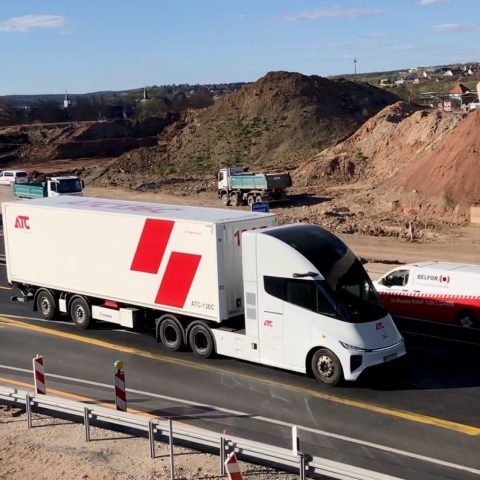
ATC Computer Transport & Logistics have successfully completed tests with Windrose electric long-haul truck. This trial, “with support from the Fleet Electrification Coalition from the Smart Freight Centre, forms part of a broader series of real-world evaluations of Battery Electric Trucks (BETs) in different configurations and across multiple OEM platforms”, stated the company.
Windrose electric trucks on the road between the Netherlands and Hungary
In concrete terms, the journey covered by the Chinese electric truck is a round trip starting at the Milence fast charging hub at the TruckStop in Venlo/NED, to Budapest/HUN, and back, covers approximately 2,600km in total. This is a typical route operated by ATC for one of their global hyperscale clients, which the company aims to fully electrify.
“We want to prove that battery-electric trucks will outperform diesel on long-haul routes across the continent in every eay”, said Rainer Hoerbst, Head of Green Logistics at ATC. “This is not a lab test, these are real routes, with real loads, serving some of the most demanding logistics requirements globally”.